
2% Eurycomanone Tongkat Ali is seen as a better choice for many American, British and Australian consumers. Our research investigates scientific evidence to support brand marketing claims and potential risks
Eurycomanone is the best-known quassinoid marker in Eurycoma longifolia (Tongkat Ali), and it is widely used in industry as a chemical identity and consistency biomarker.
But buyers should understand one important point at the start.
A higher eurycomanone percentage does not automatically mean a better or safer Tongkat Ali product. It presents higher risk for consumers if you are not careful.
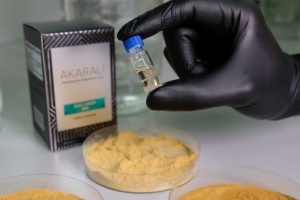
The Malaysian Standard MS 2409:2011 for freeze-dried hot water extract specifies a broader standardization framework for Tongkat Ali manufacturers. In that standard, eurycomanone is one marker among several, alongside total polysaccharides, total protein, and total glycosaponin. The MS 2409 Tongkat Ali Standard also specifies freeze-dried water extract, COA recording, pH, and recommended daily intake, which means quality is defined by a multi-marker profile and manufacturing process, not by one high-number claim on a label.
A useful buyer rule is this.
2% eurycomanone can be meaningful only when it is paired with extract type, batch testing, and broader standardization evidence.
Without that, “2% eurycomanone Tongkat Ali” is mainly a marketing number (similar to extract ratio of 200:1, 500:1) that are commonly used by Tongkat Ali brands in the US.
This matters because commercial products vary widely, and analytical work on Tongkat Ali products has shown major heterogeneity in eurycomanone content and overall metabolite profile across the market.
Our literature review research serves as an unbiased guide for consumers in the United States (US), United Kingdom (UK) and Australia when buying Tongkat Ali supplements (capsules & powder form) that carry 2% eurycomanone ingredient label.
We have outlined two key objectives of this research:
Our research involves desktop-based research of 100 top selling Tongkat Ali brands on Amazon USA, Amazon UK, Amazon Australia, Etsy and eBay according to a 10-point quality brand evaluation framework / checklist.
We shortlisted the Tongkat Ali brands that are claiming 2% eurycomanone to understand the source ingredients, type of extract, dosage per capsule, and other marketing claims from the label and other platforms. And this is further evaluated by third party agencies to research any credible evidence related to potency, efficacy and safety related to eurycomanone and other Tongkat Ali bioactive ingredients on cellular level, particularly on humans.
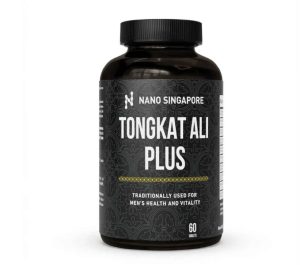
Here is the shortlisted top Tongkat Ali brands that contain 2% eurycomanone (both standardized and non-standardized extract) sold in the US, UK and Australia.
| Brand / product | Stated 2% eurycomanone claim | Form | Made In | Source Ingredient | Notes |
| Nootropics Depot Tongkat Ali Extract | “2% eurycomanone” | Capsules / tablets | USA | Indonesia | Marketed as a full-spectrum extract; brand also contrasts it with a higher-eurycomanone version. (nootropicsdepot.com) |
| Mind Nutrition Tongkat Ali Extract | “Standardized to 2% eurycomanone (UPLC)” | Powder | USA | Indonesia | Also claims support for testosterone, endurance, stress hormones, and cognition. (mindnutrition.com) |
| Rainforest Herbs Tongkat Ali Powder Extract EXTRA | “>2% eurycomanone” | Powder | USA | Indonesia | Positioned as water-soluble extract for serious users/manufacturers. (Rainforest Herbs) |
| Toniiq Tongkat Ali 200:1 | “2% eurycomanone” | Capsules | USA | Indonesia | Sold on Amazon with third-party lab-tested claim on listing. (Amazon) |
| Herbolab Tongkat Ali for Men | “Standardized to 2% eurycomanone” | Capsules / blend | USA | Indonesia | Multi-ingredient product, so Tongkat Ali effects are harder to isolate. (Amazon) |
| Ingredients Online bulk Tongkat Ali extract | “2% eurycomanone” | Bulk ingredient | USA | Indonesia | Ingredient listing, relevant for formulators more than retail consumers. (Ingredients Online) |
| Meta Mood Tongkat Ali | “2% eurycomanone” | Capsule | Australia | Malaysia | Standardized to 2% (Meta Mood) |
Note: Claims above reflect seller/manufacturer pages visible at the time of review and may subject to changes.
1) Health Benefits of Higher Eurycomanone
From a mechanistic perspective, our investigation revealed that the reason marketers emphasize eurycomanone is understandable. Experimental literature identifies eurycomanone as a major quassinoid in Tongkat Ali and links it to testosterone-related activity, including increased steroidogenesis in Leydig cells and possible anti-estrogenic activity in preclinical models. (PMC)
Health benefits do not correlate with higher eurycomanone content in Tongkat Ali, and no evidence has supported that hypothesis.
However, the leap from that mechanistic signal to the claim that “higher eurycomanone always means better health outcomes” is not supported by strong human evidence.
Human trials showing benefits for libido, sexual well-being, stress response, and testosterone support generally involve standardized aqueous or water extracts, not a simple dose-response ladder comparing 0.8%, 1.5%, 2%, 5%, and 10% eurycomanone head-to-head. (PMC)
What the human evidence does support is more modest:
A 12-week randomized controlled trial using standardized freeze-dried water extract reported improvements in sexual performance and well-being endpoints with safety monitoring that included liver and renal markers. (PMC)
A stress and mood study found that daily Tongkat Ali supplementation improved stress hormone profile, with lower cortisol and higher testosterone, in moderately stressed subjects. (PMC)
A 2021 multicenter randomized, double-blind, placebo-controlled study on standardized aqueous root extract (Physta®) reported improvements in testosterone-related outcomes and quality-of-life measures in ageing males. (PMC)
A 2022 systematic review and meta-analysis concluded that E. longifolia supplementation may improve serum total testosterone in men, with the clearest signal in hypogonadal men. (PMC)
So what should a buyer infer about 2% eurycomanone?
Industry experts believe that a reasonable interpretation is that 2% usually signals a product designed to sit in a higher-quassinoid, potency-forward tier relative to lower-marked extracts. That may translate into a stronger biological signal per unit dose.
But the best-supported clinical benefits still belong to properly standardized water extracts with human data, not to products that merely advertise the highest eurycomanone number.
In practical buyer terms, higher eurycomanone may imply the following:
That last point is important, because potency and tolerability are not the same thing. Whilst testosterone gain is highly likely for Tongkat Ali with 2% eurycomanone or higher, it may have other known risks, i.e side effects which are not well documented or established at this juncture. (PMC)
2) Eurycomanone as a Potency Biomarker
Allow us to share some industry Insights from Standardization and MS2409.
MS 2409:2011 is the most important benchmark here. It defines Tongkat Ali freeze-dried water extract commercial quality requirements and explicitly frames standardization as either chemical, biological, or both.
The standard’s specification table lists: eurycomanone 0.80–1.50% w/v, total polysaccharides >30%, total protein >20%, and total glycosaponin >40%.
It also states that analysis results and expiry date should be recorded on the COA of every batch, and gives a general daily intake range of 50–200 mg for healthy people.
Our investigations suggest that has two major implications for buyers.
First, eurycomanone is a legitimate marker, but MS2409 does not treat it as the only meaningful determinant of quality.
A compliant or well-standardized Tongkat Ali extract is expected to show a broader compositional profile, not just eurycomanone content.
That is why a buyer should be skeptical of labels that foreground only “2% eurycomanone” while saying nothing about extraction type, other marker compounds, or batch COAs.
Second, 2% sits above the MS2409 eurycomanone range for freeze-dried water extract. That does not necessarily make a product bad, but it does mean the extract may not fit the exact MS2409 marker window for that category, or it may reflect a different process, concentration strategy, or formulation philosophy. In other words, “2%” should be interpreted as a different product positioning, not automatically as “better than the standard.”
The wider literature supports why eurycomanone became such a dominant industry marker. Analytical papers have argued that eurycomanone should be used as a regulatory or mandatory quality-control parameter in commercial Tongkat Ali products. Other work on adulteration and metabolite fingerprinting also shows that authenticated roots and commercial products can differ markedly, reinforcing the value of marker-based QC. (Science Alert)
Still, the same literature also hints at the limitation of a single-marker mindset. A 2023 Scientific Reports metabolomics paper noted that commercial products richer in eurycomanone may be marketed as superior, but the authors’ broader metabolite profiling showed that Tongkat Ali products differ across many compounds, not just one. (Nature)
From an industry and buyer perspective, eurycomanone is best viewed as an identity-plus-potency marker, not a complete surrogate for clinical performance or safety. The smarter buying framework for buyers is:
3) Side-Effects & Safety Review
In a PubMed-published report titled “Tongkat Ali-Induced Atrial Flutter: A Probable Case” (PMC12514420), a 71-year-old man developed new-onset atrial flutter shortly after starting Tongkat Ali 2% eurycomanone at 668 mg daily, with the authors asserting that the event to be temporally associated and likely supplement-related after other causes were excluded. The paper describes it as the first documented case of adverse side effects of Tongkat Ali with 2% eurycomanone content in 2025. (PMC)
Taking Tongkat Ali with 2% Eurycomanone at high doses may cause cardiovascular complications such as atrial flutter, indicated by heart palpitations and increased heart rate even while resting
However, users should not be alarmed as the possibility of side effects are extremely low, with less than 0.01% cases recorded each year vs milllions of consumers which have consumed the Tongkat Ali ingredients in various formats (i.e capsule form, raw powder, tablet, liquid form and other novel food applications).
LiverTox currently classifies Tongkat Ali as a possible rare cause of clinically apparent liver injury and stresses that long-term use, higher doses, product variability, and undisclosed co-ingredients complicate interpretation and conclusion about Tongkat Ali side effects and risks. (NCBI)
LiverTox likewise notes that adverse effects at conventional doses are usually uncommon and may include minor tolerable side effects on a smaller population of users such as nausea, abdominal discomfort, diarrhea, headache, and rash, while emphasizing that long-term human safety remains less established or not well documented despite having no toxicity issues at higher limit of safety. (PMC)
This does not mean every Tongkat Ali supplement is unsafe for everyone. It does mean buyers should avoid treating Tongkat Ali as a casual, consequence-free wellness product, especially when buying ingredients with higher eurycomanone content.
Practical safety tip for buyers
If you are buying Tongkat Ali with 2% eurycomanone, always consider a conservative approach to the following guidelines:
Tongkat Ali products marketed at 2% eurycomanone occupy a potency-oriented part of the market, but buyers should not be mistaken that number for a full measure of quality.
The strongest industry standard, MS2409, treats eurycomanone as one of many biomarkers within a broader standardization framework that also includes polysaccharides, protein, glycosaponins, extraction method, and COA-based batch control.
The health-benefit literature supports Tongkat Ali mainly as a standardized extract with evidence for testosterone-related support, stress-hormone modulation, sexual well-being, and selected ageing-male outcomes.
But there is no strong human evidence that 2% eurycomanone is categorically superior to lower standardized ranges simply because the number is higher.
From a buyer’s standpoint, the safest conclusion is this: buy clinical standardization, not just a bold percentage claim of a single biomarker. Prefer products that disclose water-extract identity, batch COAs, and human clinical backing. Be cautious with high-dose use, and take new safety signals seriously, including the atrial flutter case, liver injury case, and EFSA’s genotoxicity concerns.
References:
Ali, M. (2025). Tongkat Ali-induced atrial flutter: A probable case. Cureus, 17(9), e92024. https://doi.org/10.7759/cureus.92024
Chinnappan, S. M., George, A., Pandey, P., Narke, G., Choudhary, Y. K., et al. (2021). Effect of Eurycoma longifolia standardised aqueous root extract–Physta® on testosterone levels and quality of life in ageing male subjects: A randomised, double-blind, placebo-controlled multicentre study. Food & Nutrition Research, 65. https://doi.org/10.29219/fnr.v65.5647
EFSA NDA Panel. (2021). Safety of Eurycoma longifolia (Tongkat Ali) root extract as a novel food pursuant to Regulation (EU) 2015/2283. EFSA Journal, 19(12), 6937. https://doi.org/10.2903/j.efsa.2021.6937
George, A., Pandey, P., Narke, G., Choudhary, Y. K., et al. (2021). Effect of Eurycoma longifolia standardised aqueous root extract–Physta® on testosterone levels and quality of life in ageing male subjects: A randomised, double-blind, placebo-controlled multicentre study. Food & Nutrition Research, 65. https://doi.org/10.29219/fnr.v65.5647
Ismail, S. B., Wan Mohammad, W. M. Z., George, A., Nik Hussain, N. H., Musthapa Kamal, Z. M., Liske, E., & Tambi, M. I. B. M. (2012). Randomized clinical trial on the use of PHYSTA freeze-dried water extract of Eurycoma longifolia for the improvement of quality of life and sexual well-being in men. Evidence-Based Complementary and Alternative Medicine, 2012, 429268.
Kaliounji, A., Shadid, G., Saba, H., & Ahlawat, S. (2024). A rare case of Tongkat Ali-induced liver injury: A case report. Cureus, 16(3), e56639. https://doi.org/10.7759/cureus.56639
Leisegang, K., Finelli, R., Panner Selvam, M. K., & Sikka, S. C. (2022). Eurycoma longifolia (Jack) improves serum total testosterone in men: A systematic review and meta-analysis of clinical trials. World Journal of Men’s Health, 40(4), 603–626.
Malaysian Standard. (2011). MS 2409:2011 Phytopharmaceutical aspect of freeze dried water extract from Tongkat Ali roots – Specification. Department of Standards Malaysia.
Norhidayah, A., et al. (2015). Detection and quantification of eurycomanone levels in Tongkat Ali herbal products. Journal of Applied Sciences, 15(7), 999–1005.
Rehman, S. U., Choe, K., & Yoo, H. H. (2016). Review on a traditional herbal medicine, Eurycoma longifolia Jack (Tongkat Ali): Its traditional uses, chemistry, evidence-based pharmacology and toxicology. Molecules, 21(3), 331. https://doi.org/10.3390/molecules21030331
Talbott, S. M., Talbott, J. A., George, A., & Pugh, M. (2013). Effect of Tongkat Ali on stress hormones and psychological mood state in moderately stressed subjects. Journal of the International Society of Sports Nutrition, 10, 28. https://doi.org/10.1186/1550-2783-10-28
Disclaimer:
Our assessment is an independent analysis conducted solely on the basis of publicly available information published on Amazon.com, Amazon.co.uk, Amazon.com.au, research publications and other sources at the time of review. The evaluation reflects product descriptions, labeling claims, seller-visible certifications, pricing, and other disclosures provided by the seller or company mentioned.
No laboratory testing, chemical analysis, batch verification, or direct communication with manufacturers was performed as part of this assessment unless explicitly stated. This research or article does not verify the accuracy, completeness, or authenticity of the claims made by individual brands, including statements regarding clinical studies, standardization levels, country of origin, or third-party certifications. Product listings on Amazon are subject to change without notice, and formulations, pricing, sourcing, or compliance status may be updated by seller after publication of this assessment.
Therefore, this assessment represents a point-in-time evaluation and should not be construed as regulatory, medical, legal, or investment advice.
Consumers are encouraged to conduct their own due diligence, review Certificates of Analysis (COAs), verify regulatory compliance, and consult qualified healthcare professionals before purchasing or consuming any dietary supplement or brand stated in this article.

Alex Kua leads AKARALI’s Global Partnership Community to help athletes, sports communities, and thousand of others optimize their well-being through evidence-based research that enables them to make better informed decisions. His legal and business consulting background underpins the rigorous data-driven approach in his writing – from hours of interviews, real-world performance data, and firsthand experiences of real people – offering actionable insights that connects clinical research, emerging health trends, and real-world applications. He is also an experienced researcher in herbal nutrition, with years of deep technical knowledge on Tongkat Ali (Eurycoma longifolia), including quality standards, industry benchmarks, lab tests, clinical trials, and the use of natural herbs by collaborating with top scientists, herbal experts, and nutritionists. As part of the core team behind AKARALI’s knowledge portal, he empowers people worldwide to access the benefits of high-quality herbal nutrition in a way that is effective, sustainable, and safe. He is also an avid runner, with regular participation in local sports communities and running events.
Disclaimer:
The content published on this website is for educational purposes and should not be viewed, read, or seen as a prescription or constitute any form of medical advice. We recommend you consult your nearest GP or doctors before consuming Tongkat Ali or any products which contain Tongkat Ali. For further information, kindly refer to our Frequently Asked Questions (FAQ) for more information.