
64-year-old Ray Melia from Liverpool completes the gruesome Fred Whitton Challenge for the third time. We investigate how Tongkat Ali supplementation has benefited him after two years.
The amateur endurance cyclist in their late fifties or sixties often occupies a fascinating and underserved space. They are experienced enough to train intelligently, motivated enough to keep showing up, and curious enough to seek out approaches that extend their athletic life. They are not chasing professional contracts. They are chasing challenges that are something more personal — the Fred Whitton Challenge, the North Coast 500, the feeling of being genuinely, functionally well in a body they have earned through decades of use.
For Ray Melia, it started simply enough. A quarter teaspoon of powder of Tongkat Ali (Long Jack) stirred into morning coffee that made a difference for his cycling performance.
Tongkat Ali’s prime benefit as herbal tonic energy drink was first documented by a surgeon-turned-botanist, William Jack, during his first visit to Malaysia in 1822. Since then, it has been widely used by active men, endurance athletes and professionals in the UK - especially by cyclists and runners.
For Ray, no stack of expensive supplements lined up on the kitchen counter. Just a small, deliberate act of consistent use of Tongkat Ali root extract powder.
Within a week of Tongkat Ali supplementation, he felt something shifted. “My sleep deepened” said the 64-year-old. The persistent, low-grade drain he had quietly accepted as the tax of a full life began to lift. And then, almost as an afterthought: he stopped demolishing his packed lunch before noon.
“I am no scientist,” said. “Just a humble commercial property lawyer from Liverpool with a long history of cycling.”.
But numbers tell a different story. And Ray’s numbers — at 64 — are not the numbers of a man winding down. His simple natural supplement stack may have worked for him.
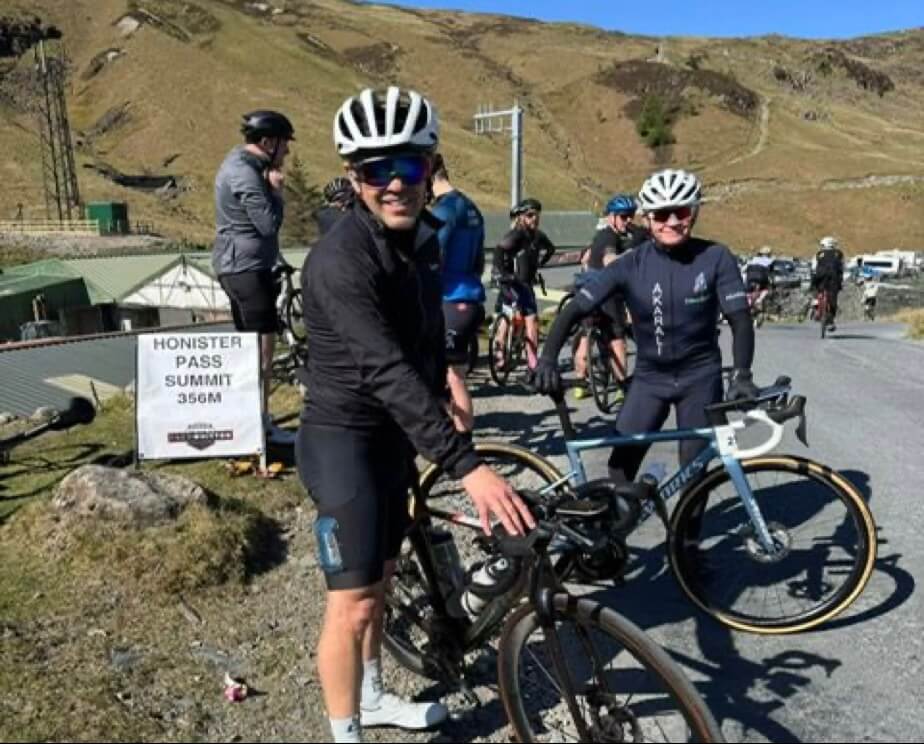
Ray’s week looks like this: 45 hours of legal work, often more. Three rides. A yoga session. Two or three gym visits. It is not the schedule of someone easing into later life. It is the schedule of someone who has decided, quietly and without drama, that later life will simply have to keep up with him.
This is not unusual among a certain set of veteran British cyclists. The sport has always attracted the long-distance thinker — the kind of person who finds clarity at mile 60 that most people never locate at all. But what is increasingly common, and increasingly visible, is the question these athletes face somewhere in their late fifties and early sixties: how do you maintain the engine’s optimal performance output when the manufacturer’s warranty has technically expired?
Plant-based supplementation such as Tongkat Ali is growing in popularity for their anti-aging benefits as well as supporting capability in more senior individuals, helping older adults regain their energy and youth that may have diminished in recent years. The rising trend coincides with growing demand for natural supplements amongst active adults.
At 64, Ray’s answer to depleting energy and testosterone began with three months of careful research into natural, plant-based supplementation. He was not looking for shortcuts. He was looking for something he could trust for the long-term – a supplement brand that is rooted in evidence, not marketing. After methodical reading, he chose AKARALI Tongkat Ali.
“We are humbled that AKARALI has helped athletes across diverse age groups perform better, especially in terms of high endurance distance races” said Alex Kua, Global Community Lead for AKARALI.
Characteristically, he emailed us with a number of questions in 2024 before placing his first order. It is precisely the kind of diligence that makes what followed all the more meaningful.
Tongkat Ali (Eurycoma longifolia or Malaysian Ginseng), a flowering plant native to the rainforests of Southeast Asia, has been used for centuries in traditional Malaysian medicine. But in the past two decades, it has attracted serious scientific attention — particularly in the context of male hormonal health, physical performance and age-related fatigue.
Here is the core of what the research tells us: testosterone levels in men begin declining at roughly one percent per year from around the age of 30. By the time he reaches his mid-sixties, a man like Ray may be operating on hormone levels significantly lower than his peak — affecting everything from muscle recovery and bone density to sleep quality, mood, and the capacity to sustain high-intensity physical effort over time. For recreational athletes who are still pushing hard at this age, this hormonal backdrop is not incidental. It is central. And this is exactly when long term daily consumption of Tongkat Ali makes a significant difference to reproduction of testosterone to achieve optimal levels.
Tongkat Ali works primarily by stimulating the body’s own production and availability of testosterone — not by introducing exogenous hormones, but by reducing the binding of sex hormone-binding globulin (SHBG), which typically renders a significant portion of testosterone biologically inactive. The result is an increase in free testosterone — the fraction the body can actually use – as well as total testosterone.
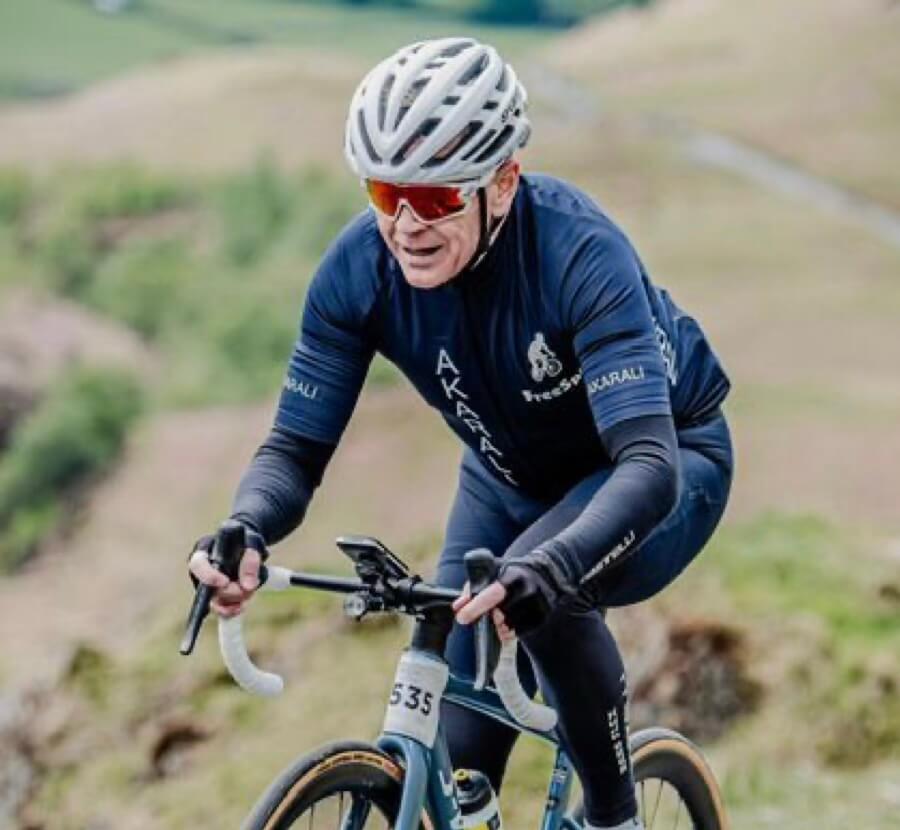
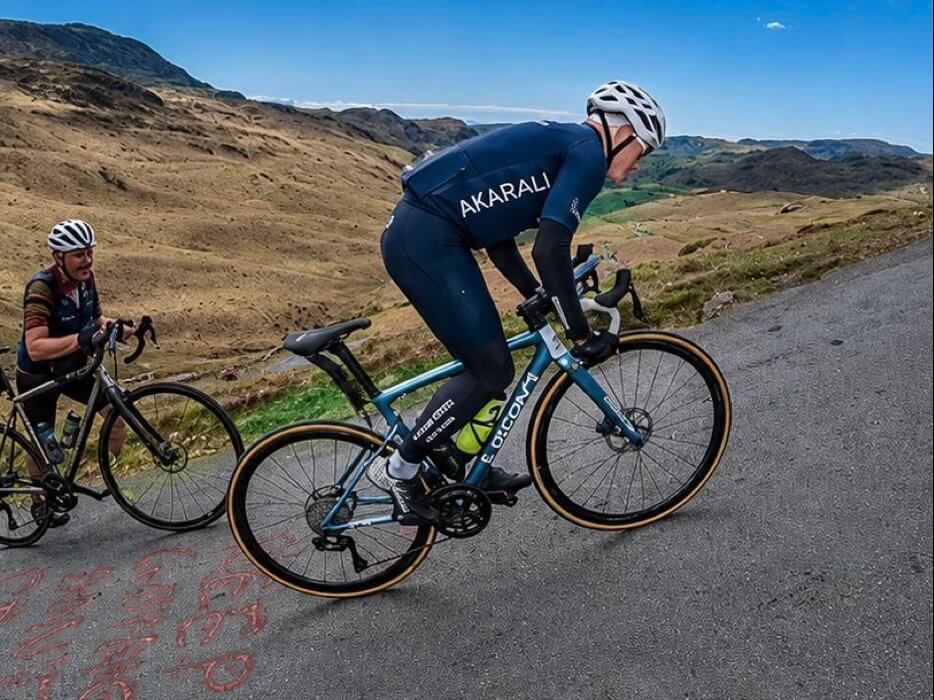
While other younger cyclists had to stop and push their bikes through the 3,600 meter elevation gain, Ray experienced no issues cycling up hill. The picture of his recent Fred Whitton Challenge is a testament behind Tongkat Ali’s energy-boosting properties as he march his way through the peaks of Lake District.
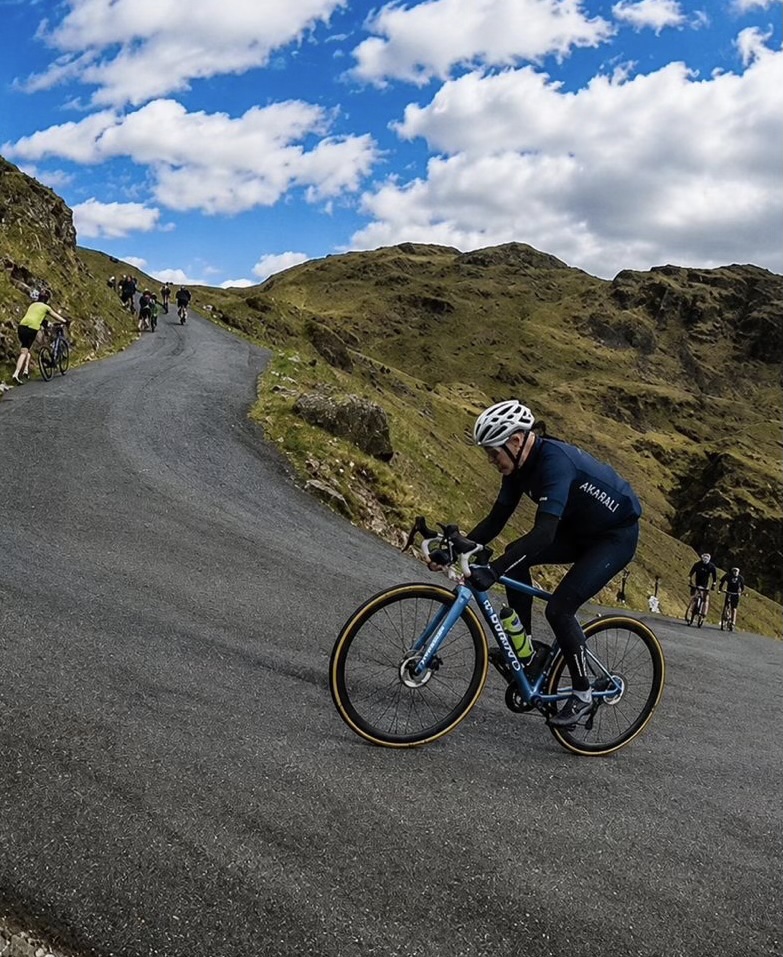
Testosterone affects endurance athletes indirectly through faster recovery, red blood cell production, muscle maintenance, motivation, and training adaptation. Based on a clinical study of 22-50 year old cyclists vs 64-year-old Ray, the positive impact on senior endurance athletes may be more pronounced due to the lower testosterone baseline, for the same exposure to cycling duration and distance.
Our analysis showed a projected improvement in testosterone production based on a 12 week daily Tongkat Ali supplementation on a 64 year old cyclist, and Ray’s completion time of 10 hours 16 minutes in the 112 mile Fred Whitton Challenge is commendable given his age.
Further investigations revealed that the implications are layered.
On one hand, high-load endurance exercise (cycling, running) has been shown to deplete testosterone levels – on average, a hard ultra-endurance effort can reduce testosterone by roughly 20–50% immediately after or during the event.
In more extreme ultra events, testosterone drops of ~60–70% have been commonly observed where the impact may last longer the older you get. This is when natural testosterone supplement such as Tongkat Ali can be useful for endurance athletes.
What’s more important is that testosterone plays a direct role in red blood cell production, which governs oxygen-carrying capacity — the very foundation of aerobic performance. It influences muscle protein synthesis, which determines how effectively the body repairs after long rides. It regulates cortisol response, helping to moderate the stress hormone that, when chronically elevated, accelerates fatigue and degrades recovery. And it is deeply entwined with sleep architecture — particularly the deep, slow-wave sleep during which the most significant physiological repair occurs.
A landmark study published in the Journal of the International Society of Sports Nutrition (Hamzah & Yusof, 2003) found that Tongkat Ali supplementation produced significant gains in lean muscle mass and strength among recreationally trained subjects — improvements directly relevant to the power-to-weight demands of sustained cycling.
More pertinent to endurance performance, research has documented Tongkat Ali’s capacity to reduce cortisol levels while simultaneously elevating testosterone, improving what scientists refer to as the testosterone-to-cortisol ratio — a key biomarker of an athlete’s recovery status and training readiness.
A study by Talbott et al. (2013), published in the Journal of the International Society of Sports Nutrition, found that supplementation with Tongkat Ali extract reduced cortisol exposure by approximately 16 percent and increased testosterone levels by 37 percent in a stressed adult population between 22 to 50 years old. The positive impact maybe be more significant on veteran athletes balancing heavy training loads with demanding professional lives.
Furthermore, Tongkat Ali’s documented role in supporting erythropoiesis — the production of red blood cells — has particular relevance for aerobic athletes, given that oxygen-carrying capacity sits at the very foundation of endurance performance.
Taken together, the research paints a coherent and synergistic picture of the impact on high-load endurance cyclists: Tongkat Ali does not artificially inflate athletic performance, but rather restores and optimises the hormonal and physiological conditions under which an ageing endurance athlete’s body is best equipped to train hard, recover fully, and keep showing up.
In short, Tongkat Ali supplementation helps the equip the body to better deal high stress (whether physical, mental or both) and allows for better adaptation for future efforts.
As for Ray, he noticed better sleep first. And that was not coincidence.
In elite cycling, the aphorism has always been that training is merely the stimulus — adaptation happens during recovery. This principle does not become less true as athletes age. It becomes more urgent.
A 30-year-old cyclist can absorb a brutal Saturday ride and return on Tuesday feeling reconstituted. A 64-year-old doing the same ride requires more: more sleep, more nutritional precision, more time for inflammatory markers to normalise. The physiological window for recovery narrows with age — and if the hormonal environment is suboptimal, it narrows further still.
This is precisely where clinically tested Tongkat Ali supplementation offers its most tangible value to the older endurance athlete. By supporting the hormonal conditions under which recovery is most efficient — elevated free testosterone, moderated cortisol, improved sleep quality — it does not artificially enhance performance. It restores the conditions under which the body performs at the level it was once capable of performing. The distinction matters.
Ray puts it more simply: “I’m just better with it than without it.”
That single sentence, delivered without embellishment by a man who deploys language professionally, is perhaps the most honest performance review Tongkat Ali has ever received.
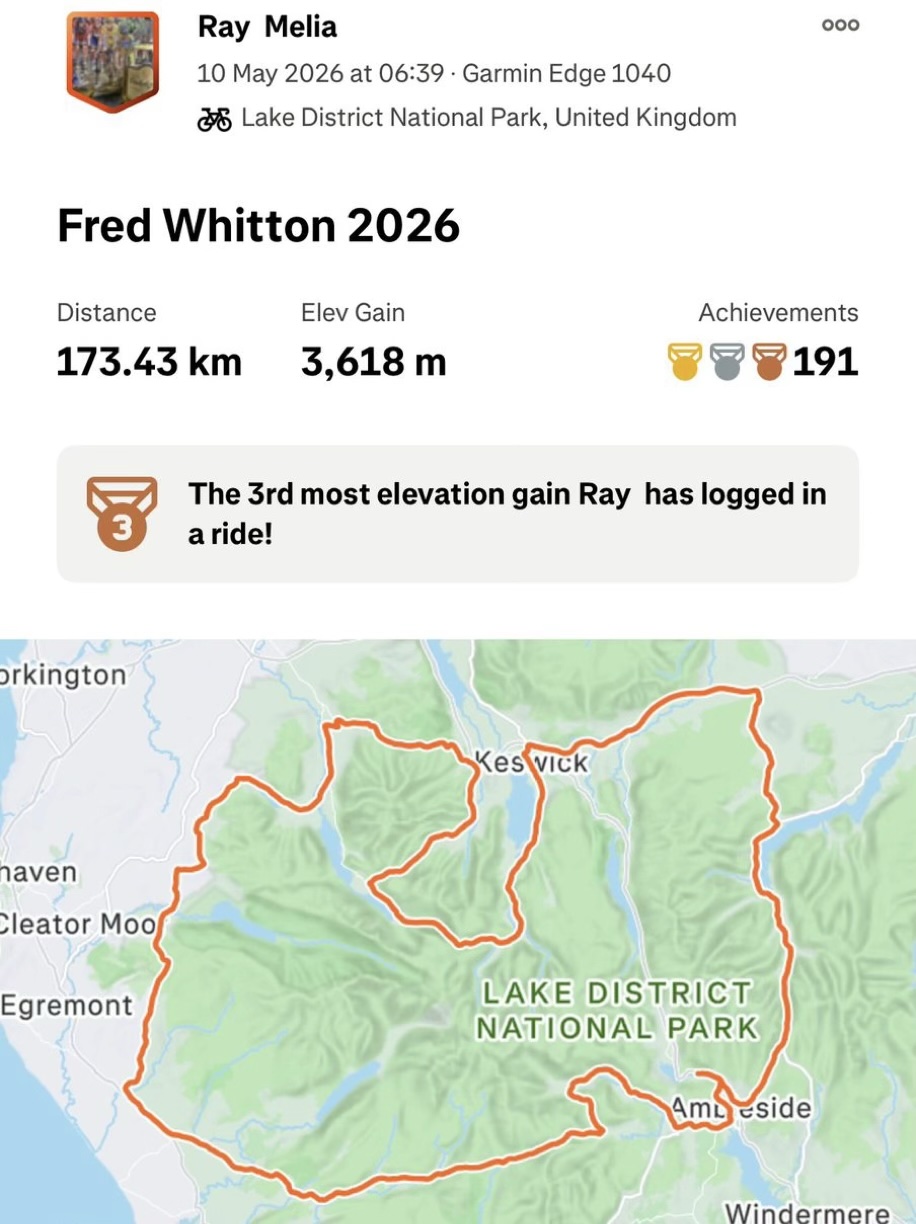
The Fred Whitton Challenge does not negotiate with age. It does not adjust its gradients for participants who also happen to be billing 45+-hour legal work weeks. Its seven climbs — Kirkstone, Honister, Newlands, Whinlatter, Hardknott, Wrynose and Blea Tarn — exist on their own terms, indifferent to the stories of everyone who approaches them.
112 miles. Over 3,000 metres of elevation gain. A start temperature of -1°C, frost still hard on the tarmac. Cycling Weekly hails it as “The Daddy of them all” — an event widely regarded as the hardest one-day sportive in the United Kingdom.
And Ray — a full-time lawyer, a three-times-weekly cyclist, a man who takes Tongkat Ali in a cold-pressed juice before bed — completed the endurance race for the third time at the age of 64.
What makes this notable is not simply the physical feat, impressive as it is. It is the consistency of his daily intake, trajectory and how Tonkgat Ali made him perform in long endurance races.
Two years on with Tongkat Ali, he is completing one of Britain’s most demanding endurance challenges for the third time in an impressive 8 hours 38 minutes (10 hours 15 minutes if you’re counting stopping to help fix a friend’s bike as well as stops for food and hydration) , with a fourth even more daunting race already on the horizon in June. This is the most genuine and authentic user feedback on the effects of Tongkat Ali that we have received in years.
One of the more instructive aspects of Ray’s experience of Tongkat Ali is precisely how “undramatic” it was based on his daily observations (until he pushed himself hard to the limit during the endurance race).
Despite recording no side effects, the 64-year-old observed that there was no sudden surge of performance that announced itself like a gear change. The improvements after using Tongkat Ali for two years arrived gradually, accumulating quietly — better sleep leading to better recovery, better recovery and enabling more consistent training, compounding over months into measurably better performance.
This is, in fact, how Tongkat Ali is understood to work in the research literature. Its effects are not acute. They are gradual — building steadily over weeks of consistent supplementation, with noticeable improvements in the 12th or 24th week.
Studies examining Tongkat Ali’s impact on testosterone levels, cortisol ratios and body composition typically measure outcomes over four to eight weeks, with notable increase on the 12th or 24th week depending on age and other preexisting medical conditions.
Athletes who benefit most from Tongkat Ali supplementation are those who approach it as a long-term nutritional strategy rather than a pre-race stimulant. Completing 173 km in 10 hours places you in the top 1% of the general population. Not bad for a 64 year old Ray from Liverpool.
Ray has now been supplementing for two years. He has refined his Tongkat Ali protocol — migrating from a morning dose in coffee to an evening dose in cold-pressed juice, finding that the timing aligns better with his sleep and recovery priorities.
He does not combine it with a complex supplement stack. In fact, he takes AKARALI Tongkat Ali daily, and occasionally paracetamol.
"I don't suffer from colds the way I did before. Health-wise at 64, something is apparent."
The impact of Tongkat Ali on the immune system is worth noting after long term consumption. For Ray, he suffered less from colds, indicating a stronger immune system – which is consistent to earlier clinical studies showing increased in T-cells in the human body.
Immune function and testosterone share a bidirectional relationship — chronically suppressed testosterone is associated with reduced immune competence, while adequate androgenic signaling supports a more robust immune response.
For athletes who train hard and put in long hours, at work immune resilience is not a peripheral concern. A week lost to illness is a week of fitness lost — and at 64, recouping lost fitness takes longer than it once did. The fact that Ray has noticed a reduction in his susceptibility to illness is consistent with what the science has demonstrated in clinical settings.
Ray’s story is specific to Ray — his age, physiology, his training history, his particular combination of professional pressure and athletic ambition. But the broader pattern he represents is one that AKARALI team encounters regularly.
The amateur endurance cyclist in their late fifties or sixties occupies a fascinating and underserved space. They are experienced enough to train intelligently, motivated enough to keep showing up, and curious enough to seek out approaches that extend their athletic life. They are not chasing professional contracts or sponsorships. They are chasing something more personal — the Fred Whitton, the North Coast 500, the feeling of being genuinely, functionally well and free in a body they have earned through decades of good use.
For this athlete, Tongkat Ali is not about transformation. It is about progressive improvement, about recovering stronger — creating the internal conditions under which their existing commitment to training can deliver the most optimal results. It supports the hormonal environment – the foundation – that underpins recovery. It moderates the cortisol elevations that accumulate from sustained physical and professional stress. It improves sleep quality through which that adaptation actually occurs. And it does all of this without exogenous hormones, without stimulants, and without the side effects that shadow so many performance-enhancing compounds.
AKARALI's formulation uses only high-grade, standardised Tongkat Ali root extract — traceable, tested, and shortly to be certified by Informed Sport, the globally recognised quality benchmark for athlete supplementation.
This level of certification matters. It is the difference between trust built on marketing and trust built on verified, third-party evidence. With 1 capsule sold every 30 seconds, AKARALI is set to dominate the sports supplement market in the US and UK with Physta standardized Tongkat Ali extract.
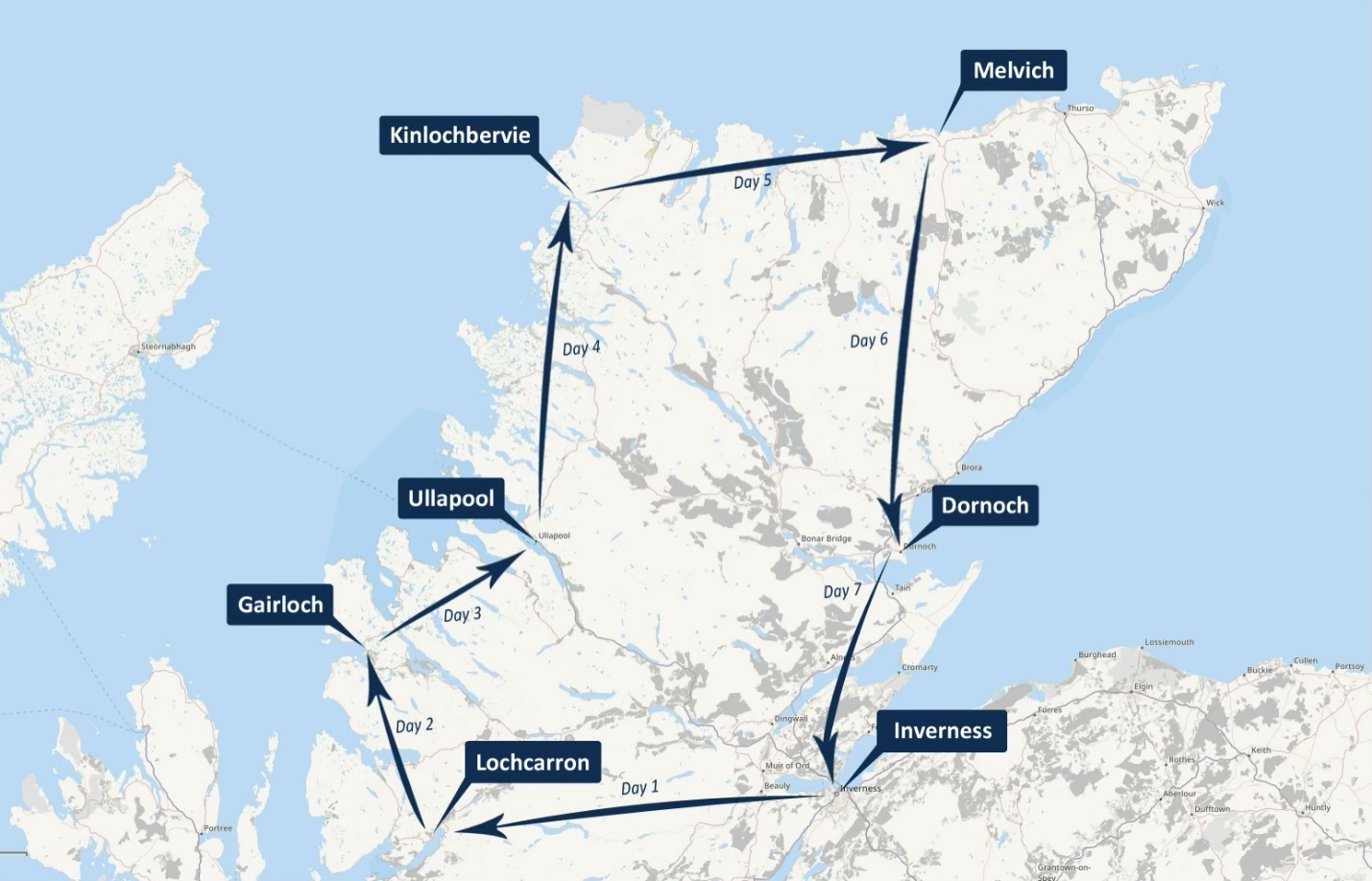
Ray’s next entry on the calendar is the North Coast 500. 530 miles across the Scottish Highlands on a bike puts Tongkat Ali on the ultimate endurance test – to prove the effects on energy, stamina and overall athletic performance.
Eight to sixteen days of riding through some of the most remote and visually extraordinary terrain in Europe — a route that demands not just physical capacity but psychological endurance, recovery between checkpoints, the ability to keep turning the pedals when the weather closes in below freezing temperature and the road disappears into the distance.
He will take his cold-pressed juice. He will take Tongkat Ali with coffee. He will sleep well. He will recover.
And somewhere on a road above a Scottish sea loch, a 64-year-old lawyer from Liverpool will be doing what he has always loved doing — riding, adapting, pushing further. Just better than before.
AKARALI is committed to supporting recreational and competitive athletes across the UK, US, Canada and Australia with clinically tested Tongkat Ali supplementation.
Alex Kua leads AKARALI’s Global Partnership Community to help athletes, sports communities, and thousand of others optimize their well-being through evidence-based research that enables them to make better informed decisions. His legal and business consulting background underpins the rigorous data-driven approach in his writing – from hours of interviews, real-world performance data, and firsthand experiences of real people – offering actionable insights that connects clinical research, emerging health trends, and real-world applications. He is also an experienced researcher in herbal nutrition, with years of deep technical knowledge on Tongkat Ali (Eurycoma longifolia), including quality standards, industry benchmarks, lab tests, clinical trials, and the use of natural herbs by collaborating with top scientists, herbal experts, and nutritionists. As part of the core team behind AKARALI’s knowledge portal, he empowers people worldwide to access the benefits of high-quality herbal nutrition in a way that is effective, sustainable, and safe. He is also an avid runner, with regular participation in local sports communities and running events.
Disclaimer:
The content published on this website is for educational purposes and should not be viewed, read, or seen as a prescription or constitute any form of medical advice. We recommend you consult your nearest GP or doctors before consuming Tongkat Ali or any products which contain Tongkat Ali. For further information, kindly refer to our Frequently Asked Questions (FAQ) for more information.