
Find out if you can buy, import, consume or sell Tongkat Ali legally in Singapore with our HSA findings.
Here is a short answer. Tongkat Ali is not banned in Singapore unless it contains illegal substances, steroids or drugs that are prohibited by HSA, or if it cause or exceeds toxicity limit set. At least that was reported in the HSA official website.
For consumers, you can buy, consume or bring Tongkat Ali capsules, powder extract and raw root slices into or in Singapore without needing any approval from the health authorities. This applies to Singapore citizens, non-citizens and travellers.
This article reviews the legality of Tongkat Ali use and sales in Singapore for consumers, business owners or importers to help you understand whether it is safe to purchase it in Singapore and what to look out for when buying one.
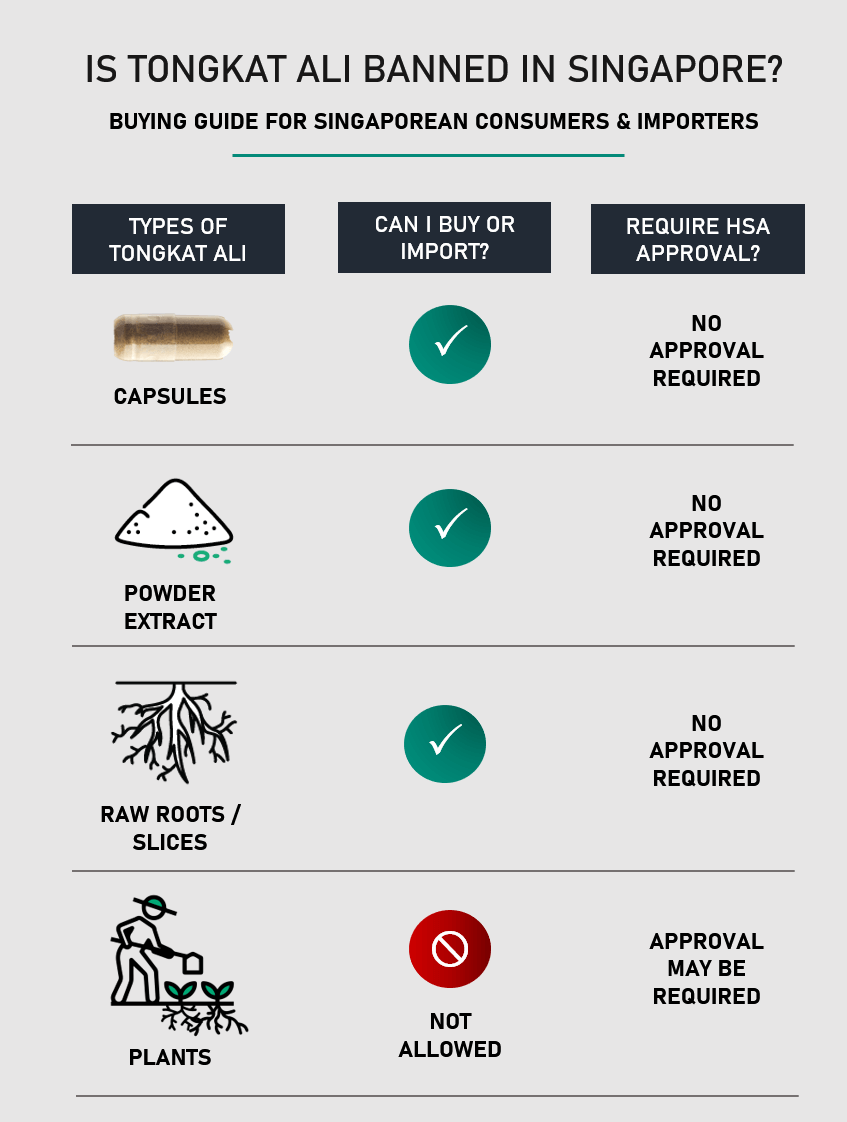
Tongkat Ali, scientifically known as Eurycoma longifolia, is a traditional herbal remedy by the Malays in Malaysia. Renowned for its purported benefits in enhancing vitality, testosterone and general health, its popularity in Malaysia attracted many Singaporeans to purchase.
Singaporeans often share similar regulatory compliances, safety and quality when it comes to the use traditional herbs such as Tongkat Ali. The good news is that Tongkat Ali supplement is not banned in Singapore as long as it adheres to basic dietary supplement standards.
Malaysian Tongkat Ali is not banned in Singapore as both countries share rich history when it was first discovered by botanist William Jack in 1820
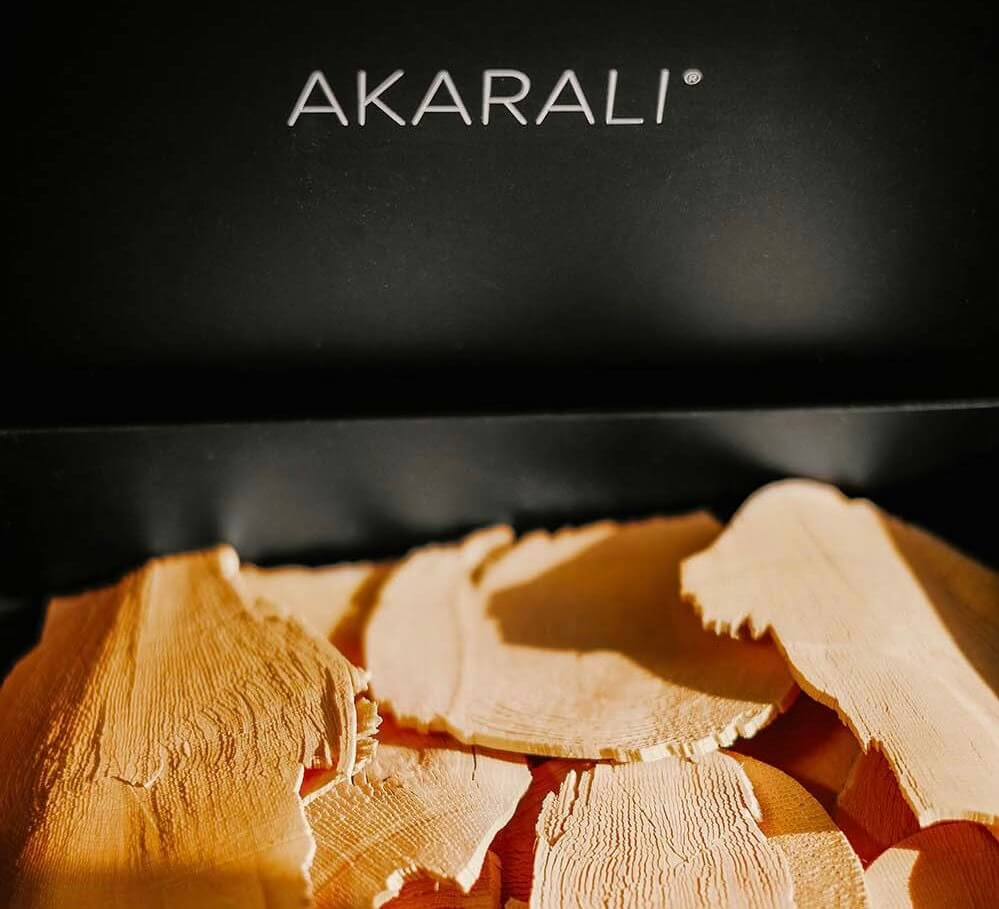
Fast forward, the use of Tongkat Ali in Singapore is now governed by the Health Science Authority (HSA) and its classification as a traditional herb means the use of it as dietary (food) supplement must adhere to Singapore Food Agency (SFA)’s safety and regulatory compliance.
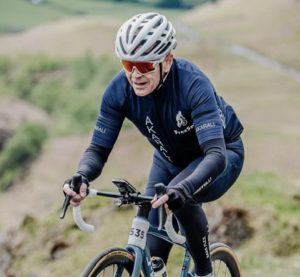
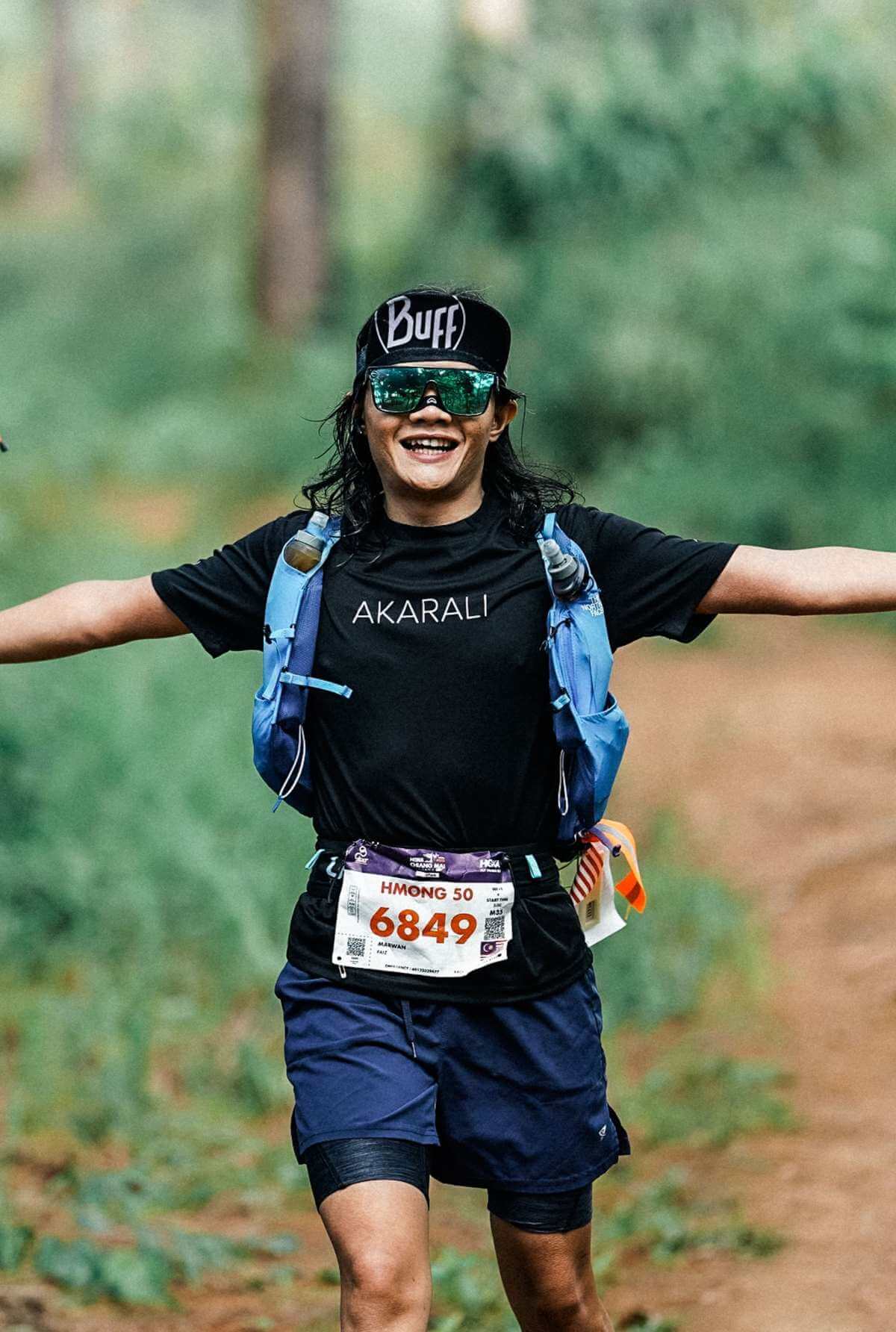
Tongkat Ali is now widely used as a sports supplement amongst marathon and endurance athletes in Singapore, making it a legal herb for boosting stamina and energy.
According to Singapore’s Health Sciences Authority (HSA), Tongkat Ali (Eurycoma Longifolia) is classified as a traditional medicine (TM), which refers to Malay and Indian traditional medicinal products. This includes the raw root and finished products containing Tongkat Ali extract.
While the HSA does not ban Tongkat Ali as a traditional medicine in Singapore, it mandates that all health products, including those containing herbal ingredients, to adhere to strict safety and quality standards.
Due to stringent enforcement by Singapore Food Safety authorities, only few Tongkat Ali products are free from harmful substances, and brands must ensure that it is accurately labeled and without health claims placed on its product labels. Additionally, both HSA and SFA do not enforce lab testing requirements on Tongkat Ali products, which may raise some concerns amongst consumers seeking premium quality Tongkat Ali supplements in Singapore.
Tongkat Ali supplements, food or coffee may be banned in Singapore if:
Under the section of “Controls on traditional medicines”, HSA provides a clear guidance on the importation, sale and use of Tongkat Ali in Singapore which is available on its website:
“Traditional medicines are not subject to approvals and licensing by HSA for their importation, manufacture and sale. HSA prohibits the addition of medicinal ingredients such as steroids in TM. HSA also sets strict limits on toxic heavy metals in these products. Dealers (importers, manufacturers, wholesale dealers and sellers) have the obligation to ensure that their products are not harmful or unsafe, and that they conform with the following guidelines before supplying traditional medicines into Singapore.”
The statement by HSA clearly imply that since Tongkat Ali is classified as a traditional medicine, this product containing Tongkat Ali extract shall not be subjected to approval or licensing, making it legal to sell or buy Tongkat Ali in Singapore. However, the HSA has issued advisories warning consumers about certain Tongkat Ali products found to be adulterated with undeclared pharmaceutical substances, or if it exceeds heavy metal limits.
Tongkat Ali (Eurycoma longifolia) is not listed on Anti-Doping Singapore’s (ADS) website. Further check confirms that Tongkat Ali is also not in WADA’s Prohibited List. Since ADS follows the WADA List, it is safe to say that Tongkat Ali may be used by athletes or in sports provided it is not adulterated with banned substances such as steroids, prohormones or SARM.
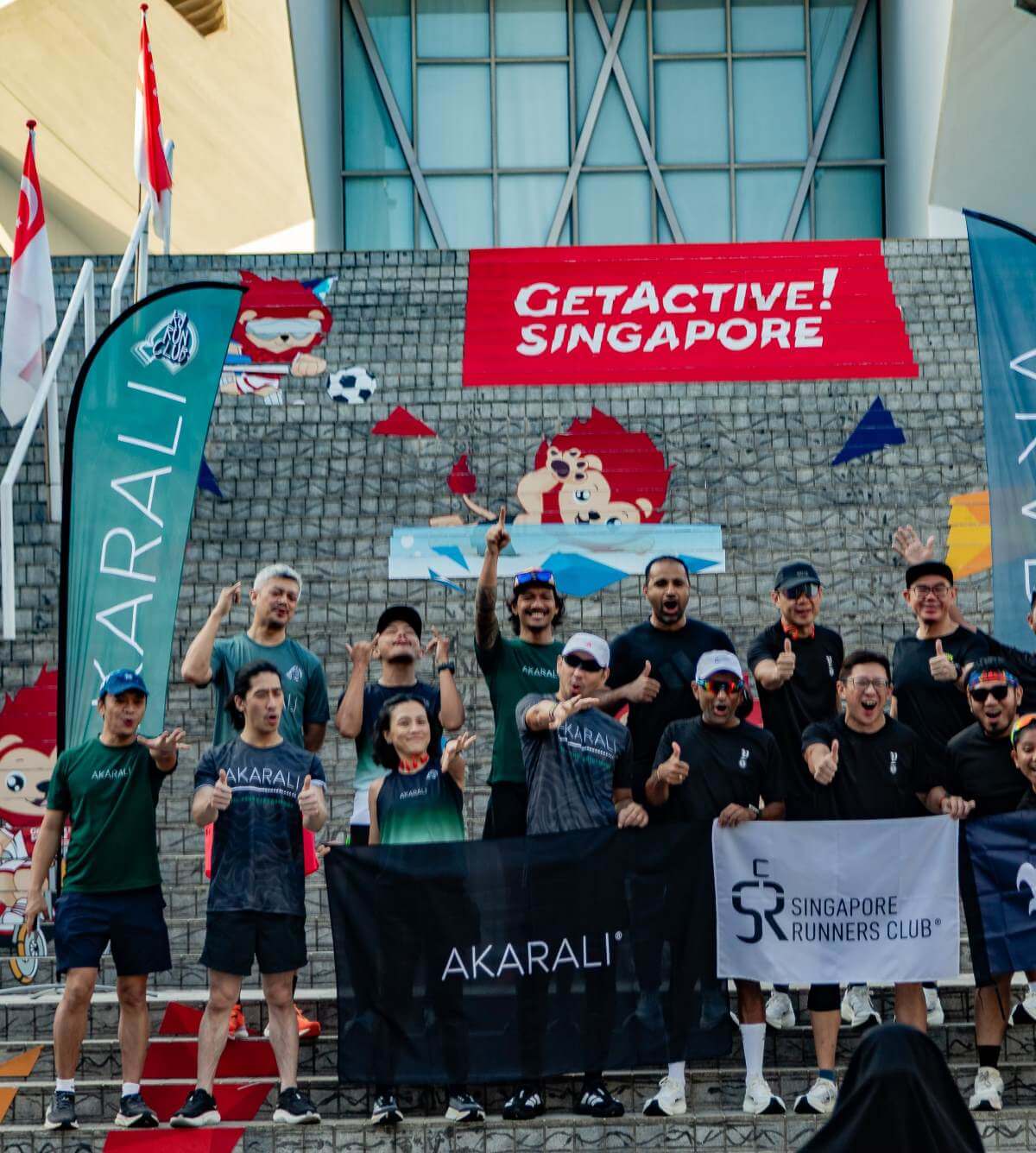
A quick look at the sports communities in Singapore revealed that premium clinically tested and lab-tested Tongkat Ali brands such as AKARALI are used widely by marathon runners and endurance athletes without any restrictions by HSA.
Tongkat Ali is becoming a mainstream sports supplement in Singapore backed by rising confidence from growing clinical trials. The fact is, clinically tested Tongkat Ali products are used by health professionals in recent years.
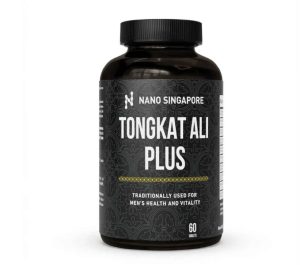
We also found that Nano Singapore is selling Tongkat Ali Plus, a polyherbal formulation containing non-standardized Tongkat Ali without any ban despite it is not backed by clinical evidence.
“Generally HSA is concerned about illegal substances found in cheap Tongkat Ali coffee and products. Its better to buy from reputable brands in Singapore”, said Edward, a 35 year old marathon runner from Bukit Timah.
As per HSA guideline, Singaporean consumers are advised to buy Tongkat Ali supplements or products with ingredients showing safe toxicity limits – i.e below the heavy metal limits prescribed by the Health Science Authority (HSA) of Singapore.
| Heavy Metal | Permissible Limits |
| Arsenic | 5 parts per million (ppm) |
| Cadmium | 0.3 ppm |
| Lead | 10 ppm |
| Mercury | 0.5 ppm |
Singapore regulates and enforces stringent control on traditional medicines (including Tongkat Ali coffee, supplements, powder) that contains prohibited substances, adulterants and impurities that may pose a health risk to consumers.
In the case of Tongkat Ali coffee brand Kopi Penumbuk, the Singapore Food Agency (SFA) detected tadalafil, a drug used to treat erectile dysfunction. Since then, Singapore authorities have issued a ban on the Malaysian Tongkat Ali coffee Kopi Penumbuk from being sold and urged users not to consume it.
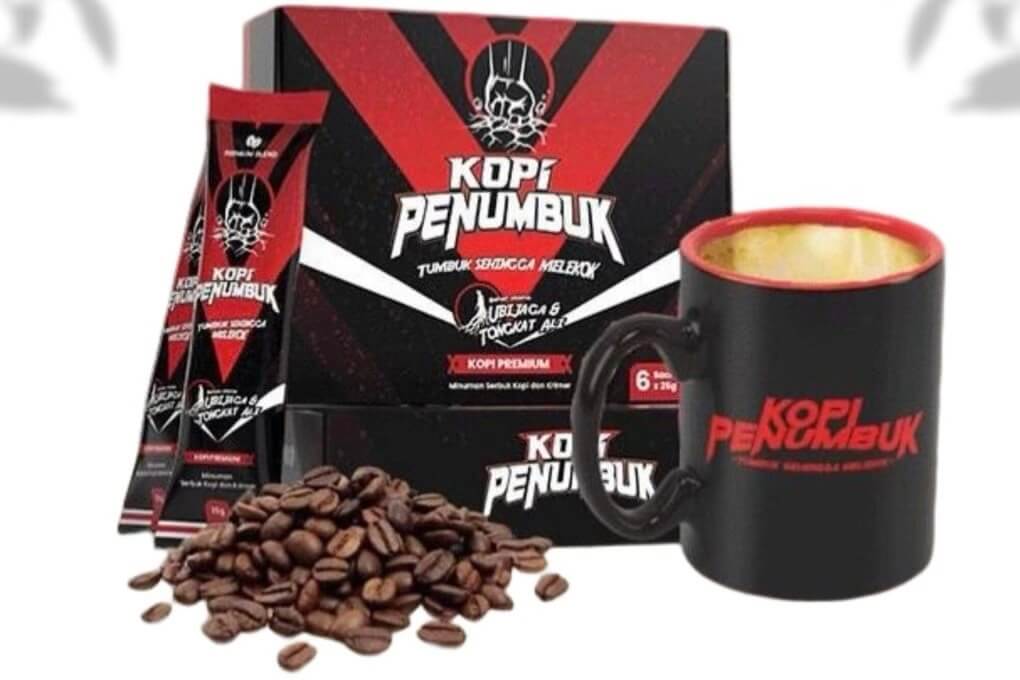
Some products marketed as Tongkat Ali coffee in Singapore were discovered to contain prescription-only medicines such as tadalafil (used to treat erectile dysfunction) and steroids, which are banned by HSA. This can pose serious health risks if consumed without medical supervision.
Therefore, if you are buying in Singapore, please ensure the Tongkat Ali extracts are pure and natural, and most crucially free from impurities illegal substances, steroids, synthetic drugs and other banned ingredients as per the HSA guide below:
| Banned Substances in Tongkat Ali | Legal Status in Singapore |
| Synthetic Drugs | Banned |
| Active substances that are not stated on the label. | Banned |
| Ingredients that contain agents that can lead to animal-transmissible diseases such as Transmissible Spongiform Encephalopathy (TSE). | Banned |
| Ingredients derived from human parts | Banned |
| Ingredients controlled and prohibited under the Poisons Act (Chapter 234) | Banned |
| Ingredients regulated under the Endangered Species | Banned |
There are few Tongkat Ali products that you should avoid (and banned in Singapore), notably Tongkat Ali coffee brands such as Kopi Jantan, Kopi Panggung, Kopi Penumbuk and supplement brand such as XP Tongkat Ali Supreme– which contains sildenafil, tadalafil and other synthetic drugs.
| Product Name | Product Type | Year It Was Banned |
| XP Tongkat Ali Supreme | Supplement | 2009 |
| Kopi Jantan Ali Macca | Coffee | 2020 |
| Kopi Panggung Al-Ambiak | Coffee | 2020 |
| Kopi Penumbuk | Coffee | 2025 |
Fine on illegal Tongkat Ali products
There is a huge fine if you are selling or importing Tongkat Ali supplements, or coffee that contains illegal substances or synthetic drugs in Singapore. This however are applicable to companies or sellers, and you won’t be fined if you are the end consumers.
If found guilty, violating Singapore’s Sale of Food Act faces a fine up to S$5,000 (US$3,753), and in the case of a second or subsequent conviction, a fine up to $10,000 or imprisonment of three months, or both.
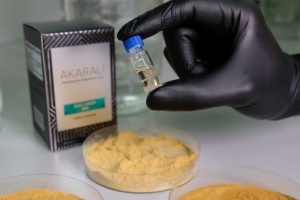
If you seek quality premium products, there are quality lab tested Tongkat Ali supplements in Singapore that are sourced from Malaysia which meets the Tongkat Ali Standards MS2409, with higher bioactive eurycomanone, eurypeptides and glycosaponin.
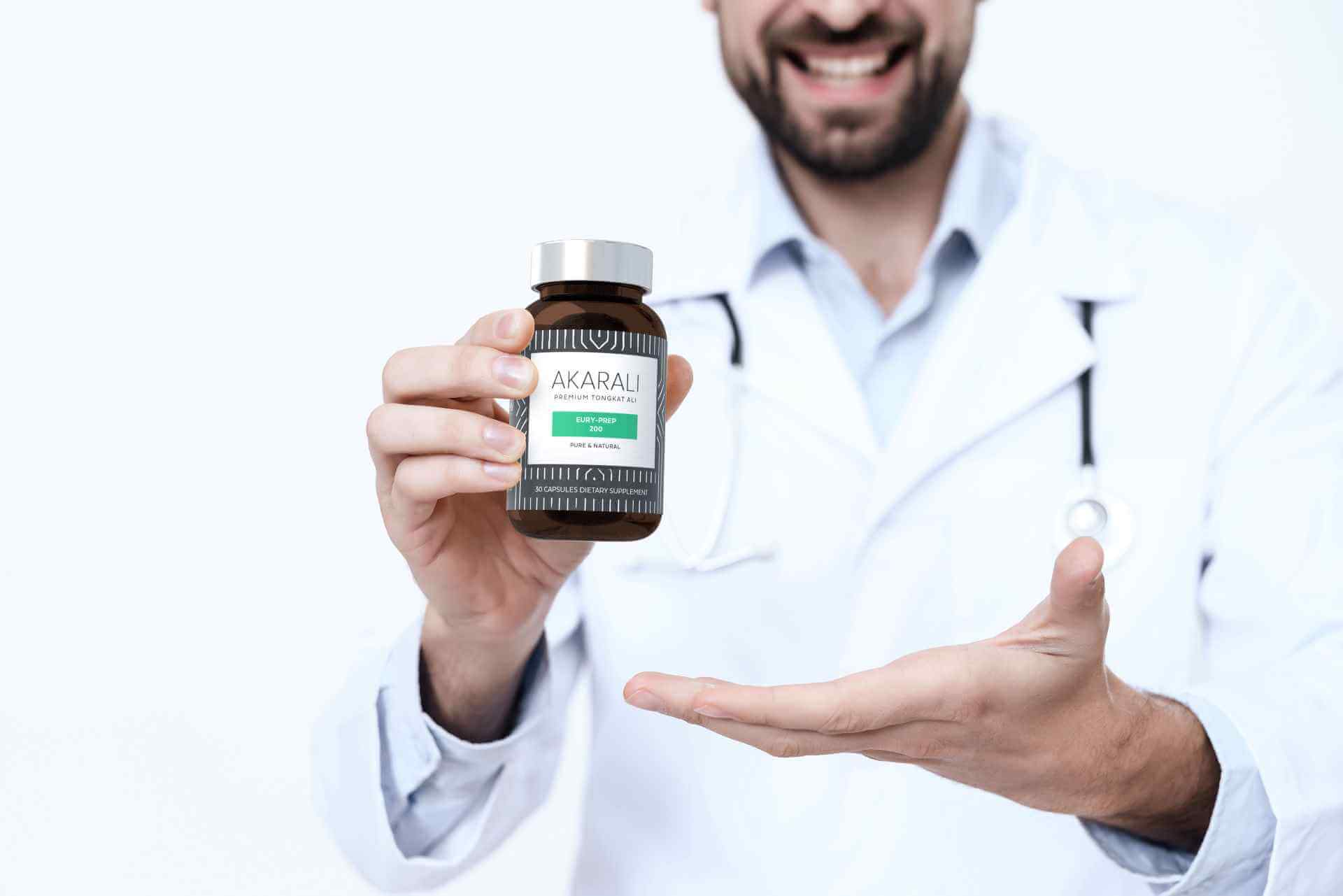
It advisable to purchase Tongkat Ali supplements with higher dosage (eg: 200mg per capsule) in Singapore from reputable brands such as AKARALI which are known to be amongst the best 3rd party lab tested Tongkat Ali – with stringent tests conducted by independent organizations such as EUROFINS.
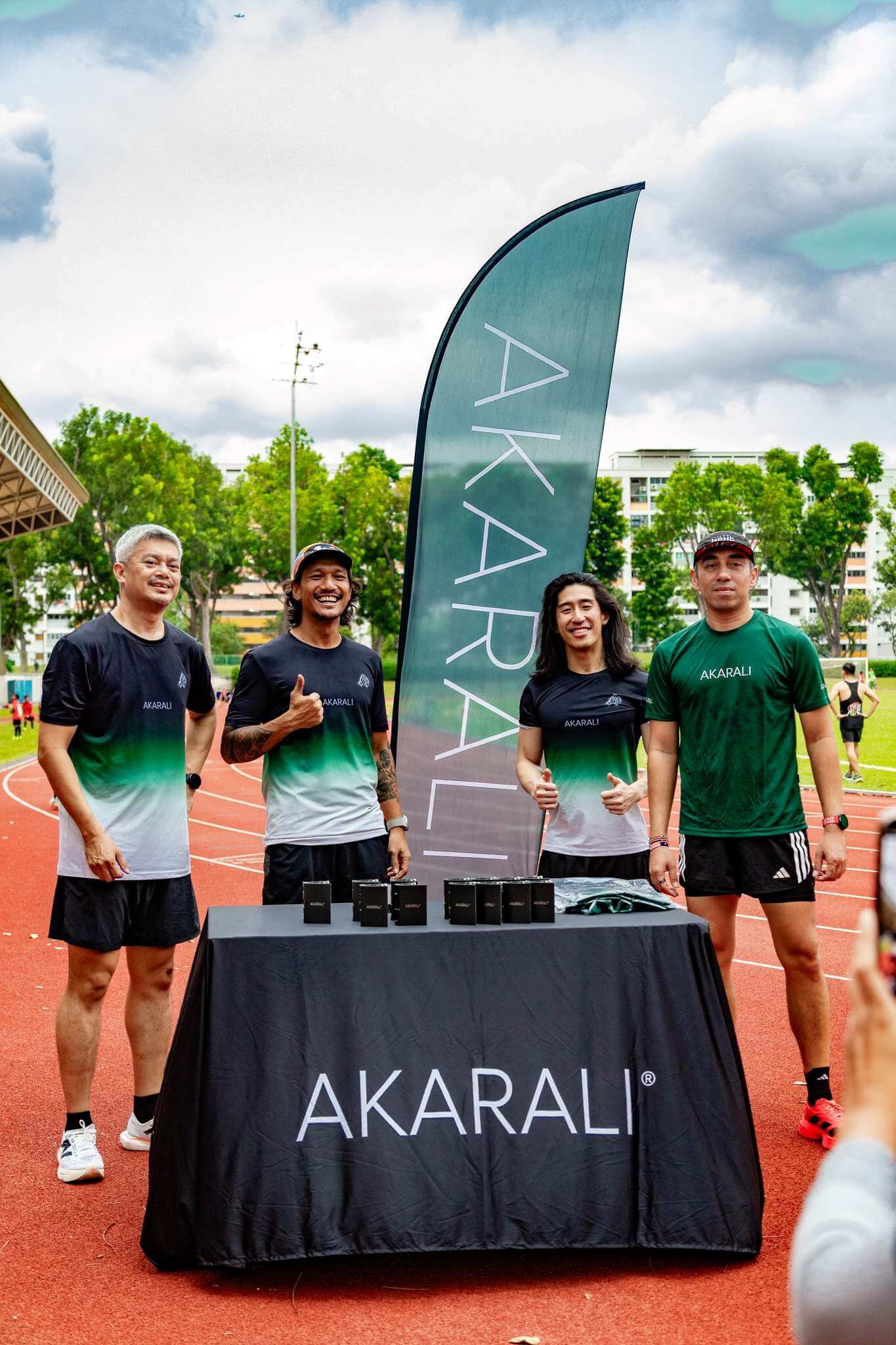
Additionally, Singaporeans are advised on buying quality clinically tested Tongkat Ali and those which are performance-tested by athletes, sports communities and functional health experts.
Meanwhile, Professor Chan Cheng Leng, director of Singapore’s HSA’s health products regulation group said that “While HSA conducts surveillance and testing of health products on the market, we urge consumers to be discerning and buy health products only from reputable sources.”
“AKARALI stands tall amongst the best and safest Tongkat Ali you should buy in Singapore without worrying about getting banned by HSA, Singapore Food Agency (SFA) and Customs” said Richie Liew who spends 30 years in selling herbs in Singapore.
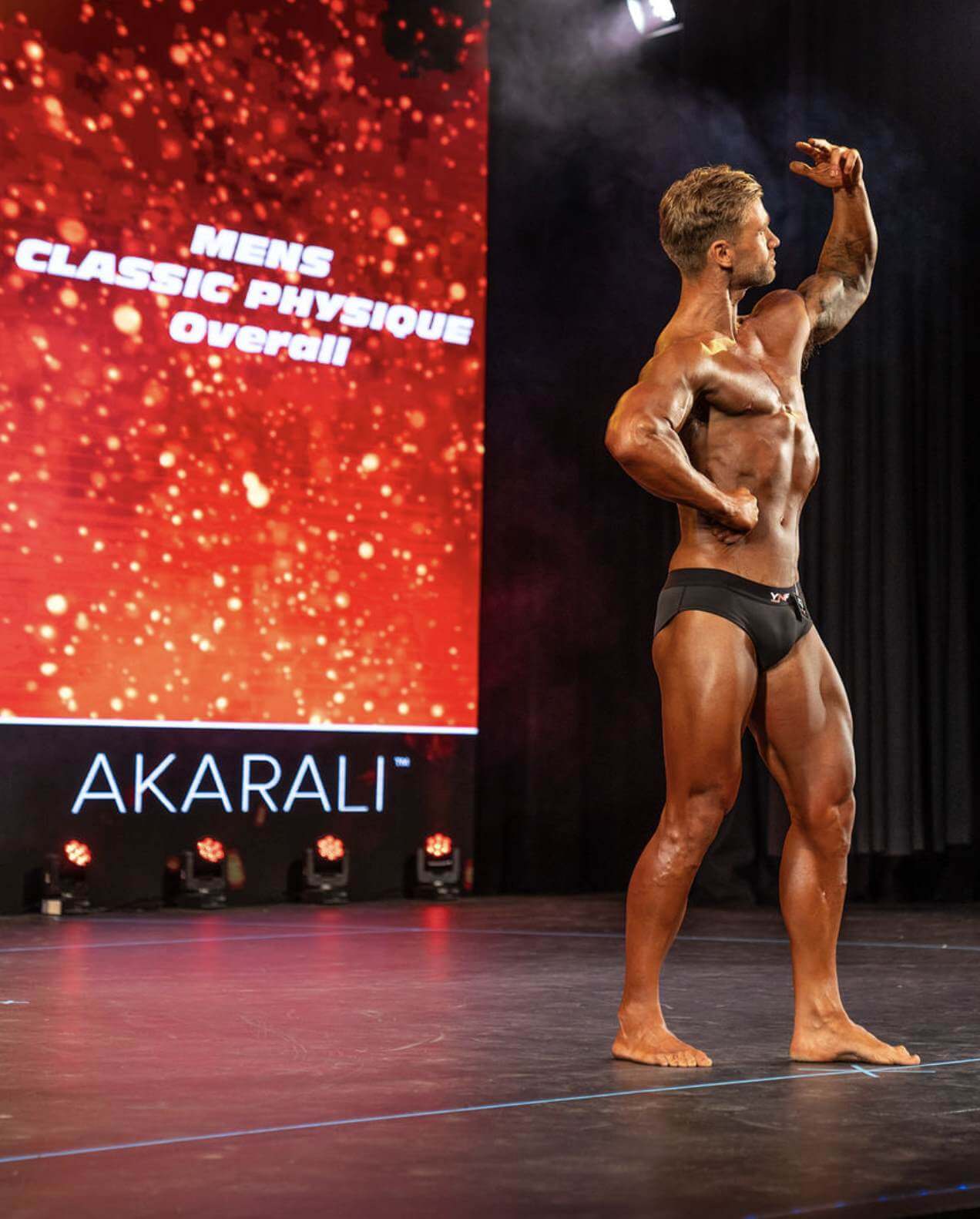
According to the New World Report, the global Tongkat Ali market landscape has shifted towards premium quality extract, where consumers prefer buying clinically tested Tongkat Ali for testosterone and libido boost.
As enforcement actions in Singapore are getting more strict, quality Tongkat Ali supplements have elevated in recent years compared to generic Tongkat Ali supplements that are dime in a dozen, and sold in most pharmacies in Singapore.
Health experts emphasize the importance of exercising caution when purchasing herbal supplements. Dr. Lim Soo Lee, a pharmacologist specializing in herbal medicines, notes that while Tongkat Ali itself is not inherently harmful, the lack of stringent manufacturing standards in some products can lead to contamination or adulteration.
“Consumers should be wary of products that make exaggerated claims or lack proper labeling,” Dr. Lim advises.
“It’s crucial to purchase supplements from reputable sources and consult healthcare professionals before use.” he added, while stressing the importance of buying clinically tested Tongkat Ali supplements in Singapore.
Clinically tested Tongkat Ali using hot water extract is safe to be used in high doses of up 1,500mg daily and this is highly sought after by Singaporean consumers in recent years.
Legal Considerations for Purchasing Tongkat Ali in Singapore
While Tongkat Ali is not banned in Singapore, consumers must ensure that any product they purchase complies with HSA regulations. This means the product should be free from undeclared pharmaceutical ingredients and manufactured according to recognized safety standards.
Importing or selling products that contain unapproved substances is illegal and can result in severe penalties, including fines and imprisonment of up to $10,000. Therefore, consumers are advised to exercise due diligence, such as verifying product registrations and seeking professional medical advice before using such supplements.
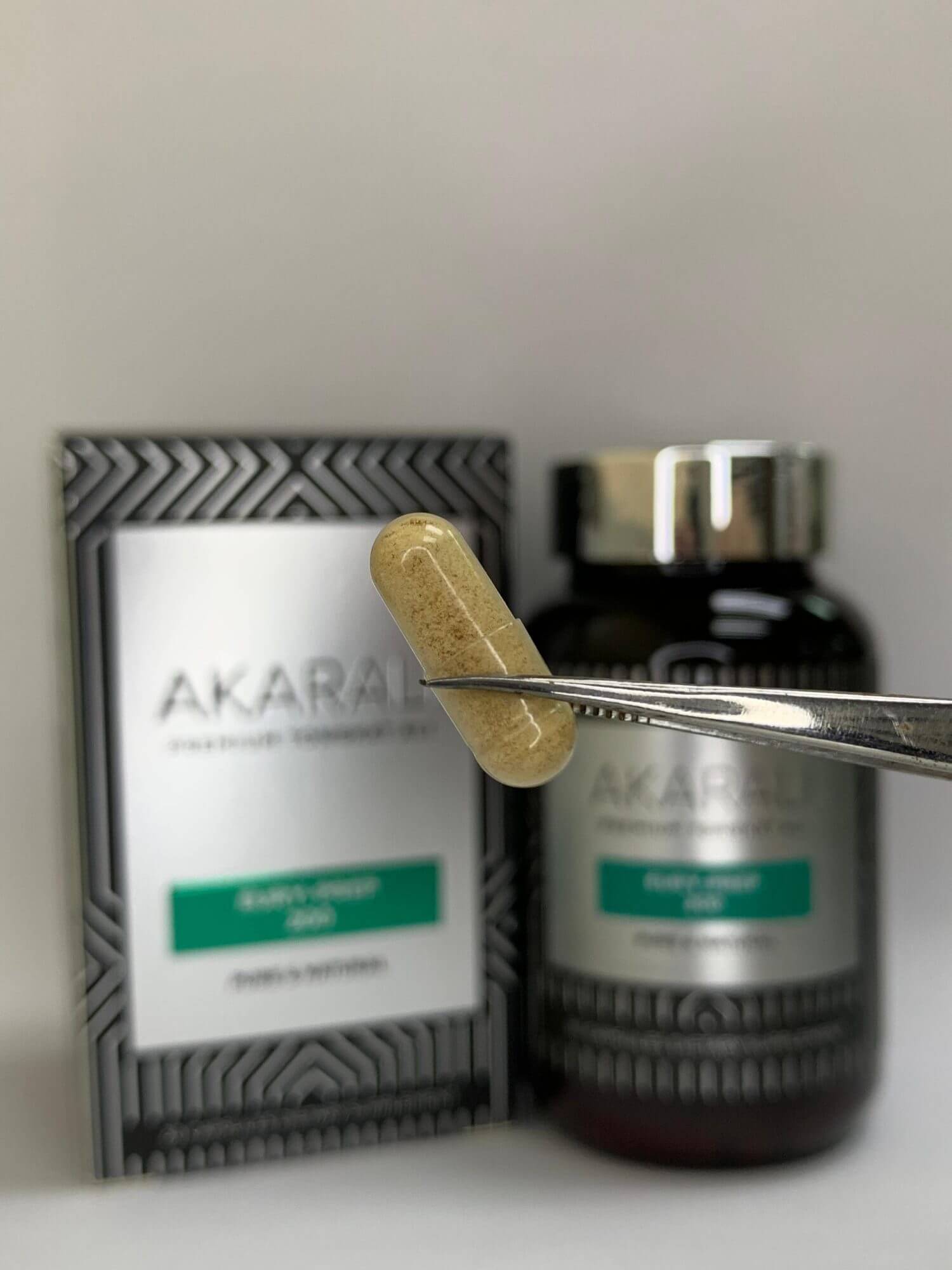
Bottom line in Singapore: Tongkat Ali is not banned as a herb. Its status depends on how the product is presented. A Tongkat Ali product may be treated as a health supplement or traditional medicine, and in both cases it generally does not need HSA pre-market approval before sale. But HSA actively polices adulteration, misleading presentation, and restricted ingredients. Food-like Tongkat Ali products, such as coffees or beverages, may instead fall under food regulation rather than HSA’s health supplement framework
Tongkat Ali remains legally available in Singapore, provided that products containing it meet the stringent safety and quality standards set by the HSA. Consumers can purchase Tongkat Ali in Singapore freely without doctor’s prescription, and sellers can sell Tongkat Ali supplements in Singapore without approval as it falls under the category of traditional medicine.
However, Singaporeans should remain vigilant, purchasing only from reputable sources, making sure Tongkat Ali extract is clinically tested or lab tested and more importantly being cautious of products that make unverified health claims or lack transparent labeling.
Consulting healthcare professionals before starting any new supplement regimen is also recommended to ensure safety and efficacy.
References:
Health Sciences Authority (HSA). How health supplements are regulated by HSA.
https://www.hsa.gov.sg/consumer-safety/articles/how-health-supplements-are-regulated-by-hsa
Health Sciences Authority (HSA). Regulatory overview of health supplements.
https://www.hsa.gov.sg/health-supplements/overview
Health Sciences Authority (HSA). Health supplements.
https://www.hsa.gov.sg/health-supplements
Health Sciences Authority (HSA). Regulatory overview of traditional medicines.
https://www.hsa.gov.sg/traditional-medicines/overview
Health Sciences Authority (HSA). Traditional medicinal materials.
https://www.hsa.gov.sg/traditional-medicinal-materials
Health Sciences Authority (HSA). List of Notified Health Supplements and Traditional Medicines.
https://www.hsa.gov.sg/vns-list
Health Sciences Authority (HSA). Voluntary Notification of Health Supplements and Traditional Medicines.
https://www.hsa.gov.sg/vns
Health Sciences Authority (HSA). Health Supplements Guidelines (PDF).
https://www.hsa.gov.sg/docs/default-source/hprg-tmhs/hs_guidelines.pdf
Health Sciences Authority (HSA). Traditional Medicines Guidelines (PDF).
https://www.hsa.gov.sg/docs/default-source/hprg-tmhs/tm_guidelines.pdf
Health Sciences Authority (HSA). Questions and Answers on Health Supplement Controls (PDF).
https://www.hsa.gov.sg/docs/default-source/hprg-tmhs/hs-qna.pdf
Health Sciences Authority (HSA). Guidelines on Prohibited and Restricted Ingredients in Health Supplements and Traditional Medicines (PDF).
https://www.hsa.gov.sg/docs/default-source/hprg-tmhs/chpb-tmhs/prohibited_restricted_ing_guidelines.pdf
Health Sciences Authority (HSA). HSA Warns Against Consuming “XP Tongkat Ali Supreme” Capsules Found to Contain Undeclared Potent Substance.
https://www.hsa.gov.sg/announcements/press-release/hsa-warns-against-consuming-xp-tongkat-ali-supreme-capsules-found-to-contain-undeclared-potent-substance
Health Sciences Authority (HSA). Best Nutrition Products Tongkat Ali 500mg (Product Recall).
https://www.hsa.gov.sg/announcements/product-recall/best-nutrition-products-tongkat-ali-500mg
Health Sciences Authority (HSA). HSA Warns Against Taking Three Health Products Found to Contain Potent Western Medicinal Ingredients (includes Vall-Boon Tongkat Ali).
https://www.hsa.gov.sg/announcements/press-release/hsa-warns-against-taking-three-health-products-found-to-contain-potent-western-medicinal-ingredients
Health Sciences Authority (HSA). Herba Banyumas Kapsul Tongkat Ali Super Power Gold (Product Recall).
https://www.hsa.gov.sg/announcements/product-recall/herba-banyumas-kapsul-tongkat-ali-super-power-gold
Alex Kua leads AKARALI’s Global Partnership Community to help athletes, sports communities, and thousand of others optimize their well-being through evidence-based research that enables them to make better informed decisions. His legal and business consulting background underpins the rigorous data-driven approach in his writing – from hours of interviews, real-world performance data, and firsthand experiences of real people – offering actionable insights that connects clinical research, emerging health trends, and real-world applications. He is also an experienced researcher in herbal nutrition, with years of deep technical knowledge on Tongkat Ali (Eurycoma longifolia), including quality standards, industry benchmarks, lab tests, clinical trials, and the use of natural herbs by collaborating with top scientists, herbal experts, and nutritionists. As part of the core team behind AKARALI’s knowledge portal, he empowers people worldwide to access the benefits of high-quality herbal nutrition in a way that is effective, sustainable, and safe. He is also an avid runner, with regular participation in local sports communities and running events.
Disclaimer:
The content published on this website is for educational purposes and should not be viewed, read, or seen as a prescription or constitute any form of medical advice. We recommend you consult your nearest GP or doctors before consuming Tongkat Ali or any products which contain Tongkat Ali. For further information, kindly refer to our Frequently Asked Questions (FAQ) for more information.