
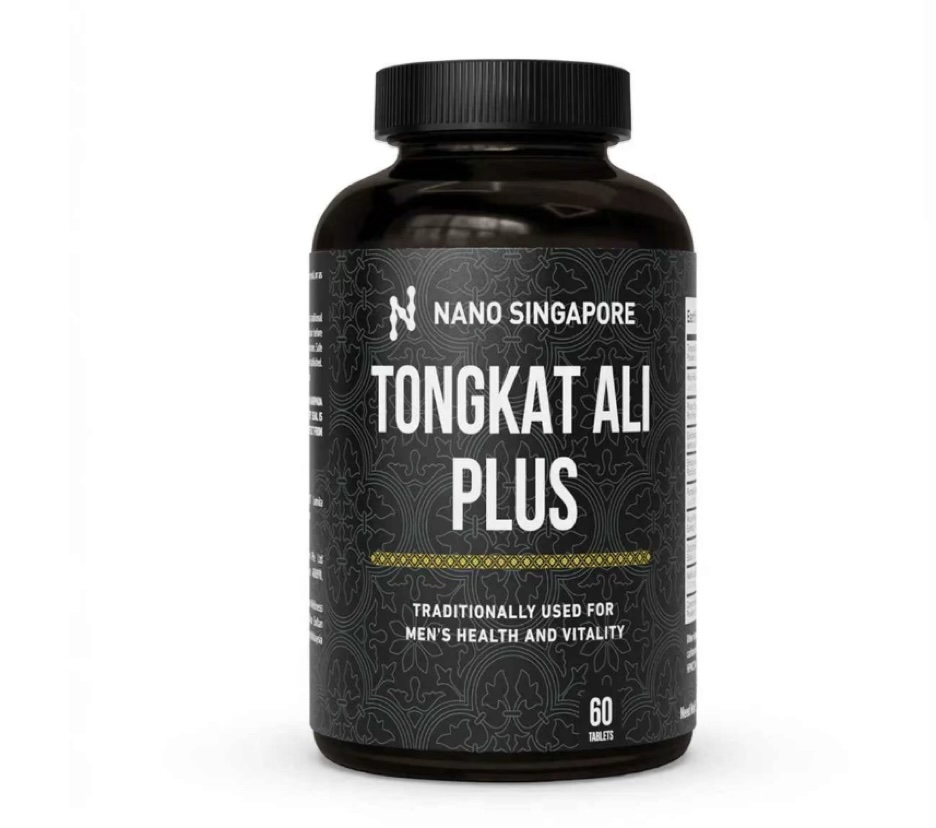
Nano Singapore Tongkat Ali Plus is a 1,500 mg tablet blend marketed for men’s health, testosterone support, and vitality. Formulated with 20 ingredients in a single capsule, the product carries KKM (Malaysia’s Ministry of Health) approval and is manufactured in the USA under GMP standards — both positive indicators, suggesting this a brand that Singapore consumers can trust.
However, our deep technical audit reveals significant concerns around dosing adequacy, extract form and quality, the critical distinction between root powder and standardized extract, and several ingredient combinations (often called pixie dusting) may introduce pharmacological risks and yield minimal health benefits.
Pixie Dusting is an unethical supplement industry tactic where manufacturers add tiny, ineffective amounts of expensive or trendy ingredients to an all-in-one formula. This allows them to feature the ingredient on the front label for marketing hype, but the dose is far too low to provide any real benefits. 90% of the time one of the first three ingredients in the blend (likely the most expensive ingredient) is “pixie dust”.
Despite having 20 ingredients in a single capsule, we found the product’s core positioning for testosterone, i.e Tongkat Ali (Eurycoma longifolia) is severely undermined by the use of crude root powder (which is not clinically tested on humans) rather than a standardized extract that comply to Tongkat Ali Standard MS2409, and by a dose that is only therapeutically meaningful if it reflects a high-potency standardized form, which the label does not specify.
SPECIFICATION
This is what consumer will get when buying Nano Singapore Tongkat Ali Plus:
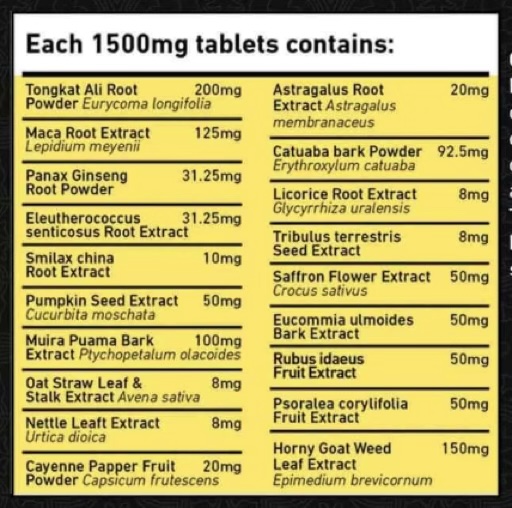
The formula contains 20 active ingredients packed into 1,500 mg per tablet (with a 2-tablet daily dose = 3,000 mg total active blend daily).
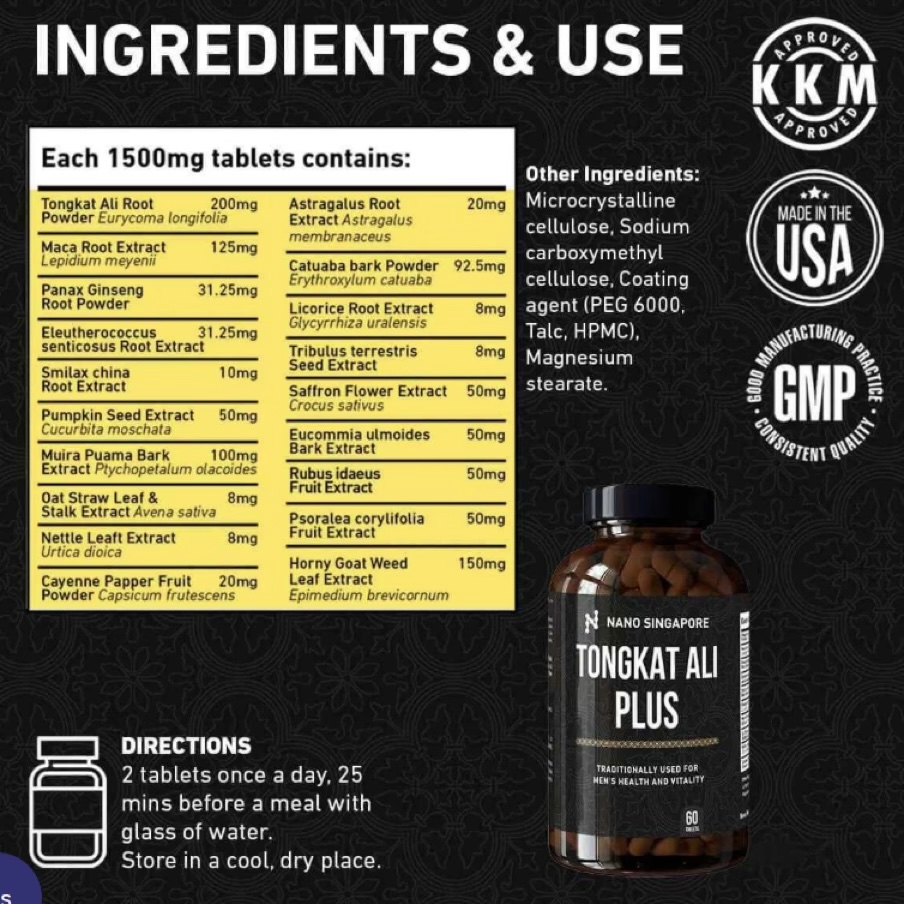
The following audit covers each ingredient against known clinical evidence, effective dosage thresholds, and risk flags.
1.1 Tongkat Ali Root Powder (Eurycoma longifolia) — 200 mg per tablet (400 mg daily)
Form:
The label reads “Root Powder” — not “Root Extract,” not “Standardized Extract.” This is the most critical distinction in the entire formulation as Tongkat Ali is considered the most potent bioactive ingredient in most polyherbal formulations.
Experts believe raw root powder and standardized hot-water extract are categorically different quality. Root powder is an unprocessed, ground form of the plant with variable and generally low concentrations of bioactive compounds (eurycomanone, eurypeptides, glycosaponins, polysaccharides).
Unprocessed Tongkat Ali powder is often not soluble, and fine extracts used in clinical studies perform better due to higher absorption, stability, and repeatability to deliver better pharmacological responses.
For sexual health and libido, a daily dose of 200–400 mg of standardized extract seems to be effective, administered as a standardized water-soluble extract. The emphasis on “standardized” is not cosmetic — it is the operative word. Clinical trials that demonstrated testosterone benefits used standardized aqueous or hot-water freeze-dried extracts with defined bioactive specifications, not ground root powder.
Studies suggest that taking 200 mg of Tongkat Ali extract per day significantly increased testosterone hormone to normal values in over 90% of participants in older men with low testosterone, and significantly improved sperm concentration and motility after 3 months in male partners of infertile couples. These results were produced with extract, not powder.
Efficacy Verdict:
The 400 mg daily dose (2 tablets) is numerically within the clinical range, but the form renders the dosing comparison meaningless. Without standardization and a defined eurycomanone/glycosaponin/eurypeptide content, there is no basis to extrapolate clinical trial results to this product.
Risk Level: Medium.
The use of root powder is not dangerous, but represents a significant downgrade in likely efficacy. The product may still provide some benefits from the naturally present compounds, but at unpredictable and likely sub-optimal concentrations that can be considered potent for testosterone or libido support.
1.2 Maca Root Extract (Lepidium meyenii) — 125 mg per tablet (250 mg daily)
Form:
Listed as “Maca Root Extract,” which is positive.
Clinical studies on Maca for sexual function and energy have used doses ranging from 1,500 mg to 3,000 mg daily of dried root powder equivalent. At 250 mg of extract daily, the dose is significantly below typical clinical ranges unless the extract is highly concentrated (e.g., 10:1 or higher), which the label does not specify.
Preparations from Maca root have been reported to improve sexual function in healthy populations, with spermatogenic and fertility-enhancing activities suggested through animal experiments, but dose and extract ratio matter enormously for replication of those effects.
Efficacy Verdict:
Likely sub-therapeutic at 250 mg unless extraction ratio is disclosed.
Risk Level: Low.
Generally well-tolerated. No significant drug interactions documented at these doses.
1.3 Panax Ginseng Root Powder — 31.25 mg per tablet (62.5 mg daily)
Form:
Root Powder (again, not standardized extract).
This dose is extremely low to yield any benefits as most clinical studies demonstrating cognitive and energy benefits in Panax Ginseng typically use 200–400 mg of standardized extract (usually standardized to 2–3% ginsenosides) daily.
At 62.5 mg of raw powder daily found in Nano Singapore Tongkat Ali Plus, the amount of ginsenoside content and potency is considered negligible.
This is textbook “pixie dusting” — an ingredient added to the label for marketing appeal at a dose unlikely to produce any measurable effect. Experts argue that if a supplement contains 15 to 20 active ingredients squeezed into a single capsule, it is almost impossible for all of them to be included at effective, clinical doses
Efficacy Verdict:
The amount of Panax Ginseng found in Nano Singapore Tongkat Ali Plus supplement is almost certainly sub-therapeutic. The dose is 3–6× below the minimum clinical threshold, and it is in powder form rather than standardized extract.
Risk Level: Low.
At this low dose, adverse effects are extremely unlikely. However, Panax Ginseng does interact with warfarin, MAO inhibitors, and antidiabetic medications at therapeutic doses; negligible concern here.
1.4 Eleutherococcus senticosus Root Extract — 31.25 mg per tablet (62.5 mg daily)
Siberian Ginseng. Clinical studies on adaptogenic and stress-modulating effects use 300–1,200 mg daily. At 62.5 mg, this is approximately 5–20× below the clinical threshold.
The addition of non-standardized Siberian Ginseng extract is viewed as another form of “pixie-dust” inclusion to yield any clinically-tested health benefits to consumers.
Efficacy Verdict:
Dosage is sub-therapeutic and may not yield any health benefits based on the proprietary polyherbal formulation found in Nano Singapore Tongkat Ali Plus.
Risk Level: Low.
May interact with digoxin blood level monitoring at higher doses; not relevant here.
1.5 Smilax china Root Extract — 10 mg per tablet (20 mg daily)
Sarsaparilla is used in traditional medicine as an anti-inflammatory and testosterone-supportive herb. Although safe to be consumed in small doses, there is no robust human clinical trials establish an efficacious dose. Additionally, animal data suggests potential anti-inflammatory activity, but at 20 mg daily serving found in Nano Tongkat Ali Plus, the dose is essentially symbolic rather than giving any added benefits.
Efficacy Verdict:
Insufficient data; dose too low to expect any effect.
Risk Level: Low.
1.6 Pumpkin Seed Extract (Cucurbita moschata) — 50 mg per tablet (100 mg daily)
Used traditionally for prostate health. Clinical trials for benign prostatic hyperplasia (BPH) relief used 320–480 mg of concentrated lipid extract daily.
At 100 mg daily, this is sub-therapeutic for any documented benefit, though it contributes zinc and phytosterols in trace amounts.
Efficacy Verdict: Sub-therapeutic for BPH or testosterone support. May provide minor micronutrient support.
Risk Level: Low.
1.7 Muira Puama Bark Extract (Ptychopetalum olacoides) — 100 mg per tablet (200 mg daily)
A Brazilian adaptogen traditionally used for libido and erectile function. The only published human study used a proprietary blend containing approximately 100 mg of Muira Puama at a standardized potency. At 200 mg daily, this is within or near the range studied, making it one of the better-dosed ingredients in the Nano Tongkat Ali Plus formula.
Efficacy Verdict:
Plausibly within range, subject to extract standardization.
Risk Level: Low-Medium.
No major adverse events documented. May have mild MAO inhibitory activity; caution if combined with antidepressants.
1.8 Oat Straw Herb (Leaf & Stalk) — Avena sativa — 8 mg per tablet (16 mg daily)
Used as an adaptogen and mild testosterone-supporting agent. Human studies examining effects on testosterone or libido typically use 600–1,600 mg of dried herb extract daily. At 16 mg daily, this is approximately 40–100× below any relevant clinical dose. This is among the most severely underdosed ingredients in the formula.
Efficacy Verdict:
Completely sub-therapeutic. The dose is negligible.
Risk Level: Low.
No harm expected. Inclusion appears purely cosmetic.
1.9 Nettle Leaf Extract — Urtica dioica — 8 mg per tablet (16 mg daily)
Stinging Nettle Root (notably the root, not leaf, is usually the target for testosterone-relevant research via sex hormone-binding globulin or SHBG inhibition) is studied at doses of 120–360 mg daily. The label specifies “Nettle Leaf Extract,” not the root. At 16 mg of leaf extract, there is no plausible testosterone-relevant mechanism active at this dose.
Efficacy Verdict:
Sub-therapeutic and possibly wrong plant part for the intended mechanism.
Risk Level:
Low.
1.10 Cayenne Pepper Fruit Powder — Capsicum frutescens — 20 mg per tablet (40 mg daily)
Cayenne is added as a bioavailability enhancer (similar to BioPerine/piperine) found in Nano Singapore Tongkat Ali Plus – a thermogenic and circulatory stimulant. At 40 mg daily, it may provide modest thermogenic support and mild enhancement of absorption of co-administered herbs. This is one of the more justifiable support ingredients in the blend.
Efficacy Verdict:
Plausible as an absorption/circulation adjunct at this dose.
Risk Level: Low-Medium.
May aggravate gastric ulcers, GERD, or irritable bowel syndrome. Can interact with ACE inhibitors (dry cough exacerbation). Warfarin interaction is theoretically possible at high doses.
1.11 Astragalus Root Extract (Astragalus membranaceus) — 20 mg per tablet (40 mg daily)
An adaptogen with well-researched immunomodulatory and anti-aging properties. Clinical studies use 500–3,000 mg of dried root equivalent daily, or 250–500 mg of standardized extract.
At 40 mg daily, the dose is approximately 6–75× below clinical threshold. Therefore, Astragalus Root Extract found in Nano Tongkat Ali Plus can be relatively ineffective to induce any noticeable or measurable health benefits to consumers at any age group. Possibly Astragalus root extract was added as part of the Pixie Dust approach to gain more marketing advantage over real clinically-proven benefits from the polyherbal formulation.
Efficacy Verdict:
Sub-therapeutic.
Risk Level: Low-Medium.
Astragalus is an immune modulator. In immunosuppressed patients or those on immunosuppressive medications (e.g., post-organ transplant patients on cyclosporine), even low doses may interact. Not recommended for autoimmune conditions.
1.13 Licorice Root Extract (Glycyrrhiza uralensis) — 8 mg per tablet (16 mg daily)
This is a significant flag. Licorice root contains glycyrrhizin, which when consumed in sufficient quantity can inhibit 11-beta-hydroxysteroid dehydrogenase, leading to sodium retention, hypertension, hypokalemia, and a syndrome mimicking hyperaldosteronism. These effects occur at daily glycyrrhizin intakes of approximately 100 mg or more.
At 16 mg of extract daily, the glycyrrhizin content is low, but the extract concentration is unknown. In combination with other ingredients in a 1,500 mg tablet, there is potential for additive cardiovascular effects.
Efficacy Verdict:
No meaningful benefit at this dose.
Risk Level: Medium.
Flag for individuals with hypertension, heart failure, kidney disease, or those on antihypertensive or diuretic medications. If extract is highly concentrated, glycyrrhizin exposure could be higher than expected.
1.14 Tribulus terrestris Seed Extract — 8 mg per tablet (16 mg daily)
Tribulus is widely marketed as a testosterone booster, yet multiple rigorous randomized controlled trials in humans have failed to demonstrate any testosterone-elevating effect at commonly used doses of 750–1,500 mg daily. At 16 mg daily, this is 47–93× below even the clinically tested (and largely ineffective) doses.
Efficacy Verdict: Effectively zero. No clinical basis for testosterone or libido claims at any dose, and certainly not at 16 mg.
Risk Level: Low. Well-tolerated. Some rare reports of kidney stones with chronic high-dose use — not a concern here.
1.15 Saffron Flower Extract (Crocus sativus) — 50 mg per tablet (100 mg daily)
Saffron has one of the strongest clinical evidence bases for mood enhancement and mild antidepressant effects in the formula. Studies on depression, anxiety, and sexual function (particularly antidepressant-induced sexual dysfunction) use 15–30 mg of standardized extract daily. At 100 mg daily (extract), this dose is at or above clinical range. This is among the best-dosed and best-evidenced ingredients in the product.
Efficacy Verdict:
Plausibly therapeutic for mood and sexual function support.
Risk Level: Low-Medium.
At high doses (>5 g), saffron is toxic. At 100 mg, the main concern is mild blood pressure lowering. May interact with antidepressants (additive serotonergic effects). Avoid in pregnancy at high doses (uterotonic potential). For most healthy adult men, 100 mg is safe.
1.16 Eucommia ulmoides Bark Extract — 50 mg per tablet (100 mg daily)
A traditional Chinese herb used for kidney-tonic, bone-strengthening, and anti-hypertensive effects. Clinical studies typically use 1–2 g daily. At 100 mg, the dose is approximately 10–20× below clinical range.
Efficacy Verdict: Sub-therapeutic. Risk Level: Low. Well-tolerated.
1.17 Rubus idaeus Fruit Extract — 50 mg per tablet (100 mg daily)
Red Raspberry fruit extract. Rich in ellagitannins and polyphenols with antioxidant properties. No significant clinical evidence for testosterone or libido benefits. Included likely as an antioxidant/general wellness adjunct.
Efficacy Verdict: General antioxidant support only. No specific androgen-related benefit documented. Risk Level: Low.
1.18 Psoralea corylifolia Fruit Extract — 50 mg per tablet (100 mg daily)
Bakuchiol and psoralen-containing plant used in Ayurvedic and Traditional Chinese Medicine for skin, bone, and kidney-tonic applications. Contains psoralens, which are photosensitizing compounds. Clinical use is primarily for vitiligo and psoriasis at doses of 500–1,000 mg.
Efficacy Verdict: No documented benefit for testosterone or male vitality in human trials. Risk Level: Medium-High. Psoralens in this herb are phototoxic and can increase the risk of sunburn and UV-related skin damage. The extract form may concentrate these compounds. This is a meaningful safety concern for outdoor-active users. Psoralens are also mutagenic at high doses; long-term safety at 100 mg extract daily is not well-established. The European Food Safety Authority issued a warning in 2021 that Tongkat Ali has the potential to induce DNA damage — this flag applies even more pointedly to Psoralea corylifolia, where psoralens are established photomutagens. This ingredient deserves a prominent warning on the label.
1.19 Horny Goat Weed Leaf Extract — Epimedium brevicornum — 150 mg per tablet (300 mg daily)
The second-highest dosed active ingredient in the formula (after Tongkat Ali). Icariin, the active flavonoid, inhibits PDE5 (the same enzyme targeted by sildenafil/Viagra) and may support erectile function. Limited small trials in men suggest some benefit at higher doses (e.g., 150–300 mg icariin daily), but effects are generally milder than prescription PDE5 inhibitors. The critical question is icariin percentage. Tablets and capsules of Horny Goat Weed are sold in varying strengths standardized to icariin content of 250 to 500 mg.
If the 300 mg daily extract is standardized to, say, 20% icariin, the actual icariin dose would be 60 mg — around the threshold for bone health effects but below the level used in erectile function trials. If unstandardized, icariin content could be 5–10%, meaning only 15–30 mg icariin daily, which is sub-therapeutic.
High doses may cause a stimulatory effect and sweating. Arrhythmia and vasculitis have been reported. A case report exists of tachyarrhythmia and hypomania with agitation following 2-week consumption of horny goat weed in an elderly patient with significant cardiac history.
Efficacy Verdict: Potentially the most impactful active ingredient in the formula if icariin content is adequate, but standardization details are absent.
Risk Level: Medium. Significant concern for users with cardiac arrhythmias, cardiovascular disease, or those taking antihypertensives, anticoagulants, or nitrates (potential additive hypotensive effect given weak PDE5 inhibitory activity).
2.1 Cumulative Cardiovascular Load
The formula combines Horny Goat Weed (weak PDE5 inhibitor), Licorice Root (aldosterone-mimicking potential), Cayenne Pepper (vasodilatory/circulatory stimulant), Saffron (mild antihypertensive), and Tribulus (traditional vasodilatory herb). While individually low-risk at these doses, the combination in individuals with cardiovascular disease, arrhythmia, or those taking antihypertensive drugs warrants caution. The label’s direction to consult a doctor is appropriate but should be more specific.
2.2 Phototoxicity Risk
Psoralea corylifolia at 100 mg extract daily introduces psoralen exposure. Users in tropical markets like Malaysia and Singapore, where UV exposure is intense year-round, face an elevated phototoxicity risk. This ingredient interaction with sunlight exposure is not flagged on the label.
2.3 Pixie Dusting Pattern
Of the 19 active ingredients, at least 10 are dosed at levels that are clinically negligible: Panax Ginseng (62.5 mg powder), Eleutherococcus (62.5 mg), Smilax china (20 mg), Oat Straw (16 mg), Nettle Leaf (16 mg), Licorice Root (16 mg), Tribulus (16 mg), Astragalus (40 mg), Eucommia (100 mg), and Catuaba (185 mg as raw powder). This is a classic multi-herb marketing strategy where the ingredient list creates an appearance of comprehensive formulation, but the majority of components are present at amounts that cannot produce documented effects.
2.4 Lack of Extraction Standardization
No ingredient in the formula discloses its extraction ratio, standardization, or active constituent percentage. This is a fundamental transparency failure. Without this information, the consumer — and any clinician — cannot assess whether the product delivers clinically relevant bioactive doses of any ingredient.
2.5 Extract vs. Powder Inconsistency
The formula mixes “Root Powder” and “Extract” designations inconsistently: Tongkat Ali is listed as “Root Powder” while Maca, Eleutherococcus, Pumpkin Seed, and others are listed as “Extract.” This is not an incidental difference — it is a material distinction affecting potency and absorption. For a premium supplement, using crude root powder for the primary hero ingredient (Tongkat Ali) while labeling others as extracts is a notable quality inconsistency.
Nano Singapore Tongkat Ali Plus vs. AKARALI Physta Standardized Extract
This section focuses on the single most critical variable in any Tongkat Ali supplement: the extract form, standardization protocol, and bioactive content. The contrast between these two products illustrates a fundamental quality gap.
3.1 Extract Form and Manufacturing Standard
| Criterion | Nano Singapore Tongkat Ali Plus | AKARALI Physta |
| Form | Root Powder (crude, ground) | Standardized Hot-Water Freeze-Dried Extract |
| Extraction Method | Not disclosed | US-Patented Physta® Hot-Water Aqueous Extraction |
| Malaysian Standard Compliance | Not stated | MS2409 compliant |
| Clinical Trials Using This Exact Extract | None disclosed | 26+ human clinical trials since 2003 |
| Co-development Institution | N/A | Co-formulated with MIT scientists |
| Patent Status | None | US-patented extract |
3.2 Bioactive Content
The Physta® standardized water-soluble extract of Eurycoma longifolia roots is commercially available from Biotropics Malaysia, standardized with the following specifications: 0.8–1.5% eurycomanone, not less than 22% total protein (eurypeptides), 30% total polysaccharide and 40% glycosaponin.
| Bioactive Compound | Nano Singapore Tongkat Ali Plus | AKARALI Physta (per 200 mg capsule) |
| Eurycomanone | Not standardized / not disclosed | 0.8–1.5% (1.6–3.0 mg per 200 mg dose) |
| Eurypeptides (Total Protein) | Not standardized / not disclosed | ≥22% (≥44 mg per 200 mg dose) |
| Polysaccharides | Not standardized / not disclosed | 30% (60 mg per 200 mg dose) |
| Glycosaponins | Not standardized / not disclosed | 40–48% (80–96 mg per 200 mg dose) |
| Source Verification | Not disclosed | Wild Malaysian rainforest, DNA fingerprinted |
| Adulterant Testing | Not disclosed | 3rd-party tested by Eurofins |
3.3 Clinical Evidence for Testosterone and Efficacy
| Evidence Criterion | Nano Singapore Tongkat Ali Plus | AKARALI Tongkat Ali Physta |
| Human RCT Evidence | None for this specific product | Yes — multiple double-blind, placebo-controlled RCTs |
| Testosterone Outcome Data | Marketing claims only | Testosterone normalized in >90% of hypogonadal men in 200 mg trial; free testosterone increased vs. placebo |
| Dosage Used in Trials | N/A | 100–400 mg/day for 4–12 weeks |
| Libido/Sexual Function RCTs | None for this product | Yes — validated questionnaire (IIEF scores) improvements documented |
| Safety Clinical Data | None disclosed | 12-week multicentre safety trials published in peer-reviewed journals |
Experts believe randomized, placebo-controlled tests are the gold standard of any clinical trial and unfortunately, Nano Singapore Tongkat Ali Plus supplement has not invested in such research to warrant any credible effects on health or benefits.
On the other end of the spectrum, premium Tongkat Ali brands such as AKARALI Physta are among the top premium Tongkat Ali root extracts in Singapore with clinically proven functional health benefits due to its growing list of scientifically-backed clinical trials on humans apart from glowing consumer reviews from Singaporean athletes. Its partnership with Singapore Running Club and few other local sports communities have positioned AKARALI a trusted and popular Tongkat Ali brand in Singapore.
3.4 Regulatory and Quality Credentials
| Quality Criterion | Nano Singapore Tongkat Ali Plus | AKARALI Physta |
| KKM / MOH Malaysia Approval | Yes | Yes |
| USFDA-Approved Manufacturing Facility | Not stated (Made in USA, GMP certified) | Yes |
| GMP Certified | Yes | Yes |
| 3rd-Party Lab Testing | Not disclosed | Yes — Eurofins, Permulab (Bureau Veritas subsidiary) |
| Halal Certification | Not stated | Yes |
| Health Canada NPN Approval | Not stated | Yes (NPN 80142321) |
| Certificate of Authenticity (DNA) | Not stated | Yes — DNA fingerprinting technology |
3.5 The Powder vs. Extract Problem — Quantitative Perspective
To understand the practical magnitude of the difference, consider: a 200 mg dose of AKARALI Physta standardized extract delivers approximately 80–96 mg of glycosaponins and ≥44 mg of eurypeptides. For a crude Tongkat Ali root powder product to deliver equivalent glycosaponin content, one would need to consume approximately 200–400 mg × (100/40) = 500–1,000 mg of high-quality raw powder — assuming the raw root even has 40% glycosaponin content, which it typically does not.
Unprocessed Tongkat Ali powder sold by suppliers to China and the US does not dissolve completely in water and may harm the kidneys. The lower solubility of root powder further reduces bioavailability compared to hot-water extracted, water-soluble forms.
In short: 200 mg of crude Tongkat Ali Root Powder in Nano Singapore’s product is pharmacologically non-comparable to 200 mg of Physta standardized extract. The consumer cannot assume equivalent clinical effects.
3.6 Overall Head-to-Head Summary
| Quality Criterion | Nano Singapore Tongkat Ali Plus | AKARALI Physta |
| Tongkat Ali form | Crude root powder | Standardized hot-water extract |
| Bioactive standardization | None disclosed | Fully standardized, MS2409 compliant |
| Human RCT-backed | No | Yes (26+ trials) |
| Transparency | Low (no extraction specs) | High (published COA, 3rd-party tested) |
| Companion herbs | 18 additional herbs (mostly sub-dosed) | Single ingredient (pure) |
| Risk of pixie dusting | High | N/A (single ingredient product) |
| Psoralea phototoxicity risk | Present | N/A |
| Price-to-evidence ratio | Poor for core TA ingredient | Strong |
| Best use case | General wellness blend with modest support | Targeted, evidence-based testosterone and vitality support |
| Ingredient | Dose (2 tablets/day) | Efficacy Assessment | Risk Level | Key Concern |
| Tongkat Ali Root Powder | 400 mg | Uncertain (crude powder, not extract) | Medium | No standardization data |
| Maca Root Extract | 250 mg | Sub-therapeutic (no extract ratio) | Low | |
| Panax Ginseng Powder | 62.5 mg | Sub-therapeutic | Low | Pixie dust |
| Eleutherococcus Extract | 62.5 mg | Sub-therapeutic | Low | Pixie dust |
| Smilax china Extract | 20 mg | Negligible | Low | |
| Pumpkin Seed Extract | 100 mg | Sub-therapeutic | Low | |
| Muira Puama Bark Extract | 200 mg | Plausible range | Low-Medium | |
| Oat Straw Powder | 16 mg | Negligible | Low | Pixie dust |
| Nettle Leaf Extract | 16 mg | Negligible / wrong plant part | Low | Pixie dust |
| Cayenne Pepper Powder | 40 mg | Modest absorption support | Low-Medium | GI irritant |
| Astragalus Extract | 40 mg | Sub-therapeutic | Low-Medium | Immunomodulator interaction |
| Catuaba Bark Powder | 185 mg | Sub-therapeutic (crude powder) | Low | |
| Licorice Root Extract | 16 mg | Negligible | Medium | Aldosterone effect if concentrated |
| Tribulus Seed Extract | 16 mg | Negligible | Low | No human evidence at any dose |
| Saffron Flower Extract | 100 mg | At therapeutic range for mood | Low-Medium | Serotonergic interaction |
| Eucommia Bark Extract | 100 mg | Sub-therapeutic | Low | |
| Rubus idaeus Fruit Extract | 100 mg | Antioxidant only | Low | |
| Psoralea corylifolia Extract | 100 mg | No TA-relevant benefit | Medium-High | Psoralen phototoxicity; unlabeled |
| Horny Goat Weed Leaf Extract | 300 mg | Potentially relevant if icariin-standardized | Medium | Cardiac risk; PDE5 interaction |
For Consumers
Nano Singapore Tongkat Ali Plus is a multi-herb blend with KKM approval and GMP manufacturing credentials. It is not a fraudulent or dangerous product for healthy adult men at the recommended dose. However, the marketing significantly overstates what the formulation can reasonably deliver.
The hero ingredient — Tongkat Ali — is in crude root powder form without standardization, which means the clinical trial evidence base for Tongkat Ali's testosterone and libido benefits does not apply to this product as labeled. The majority of the remaining 18 herbs are present at doses that are clinically negligible, making it less effective as a natural testosterone supplement.
However, literature review showed that the two ingredients most likely to produce noticeable effects in Nano Tongkat Ali Plus are Saffron (100 mg/day — mood and sexual function support) and Horny Goat Weed (300 mg/day — potential PDE5 inhibitory activity), subject to icariin standardization.
Users with cardiovascular conditions, arrhythmias, hypertension, or those on antidepressants, anticoagulants, antihypertensives, nitrates, or immunosuppressants should consult a physician before use. Users in tropical environments with high sun exposure should be aware of the unlabeled phototoxicity risk from Psoralea corylifolia.
For Clinicians and Pharmacists
The product is a typical proprietary blend with transparency deficits. The lack of standardization data makes it impossible to evaluate actual bioactive exposure. The Psoralea ingredient and Licorice Root warrant specific patient counseling.
Do not assume this product’s Tongkat Ali component delivers outcomes comparable to those in published clinical trials using standardized aqueous extracts.
For Nano Singapore (Formulation Improvement)
To make the formulation consistent with the brand’s clinical positioning: replace crude Tongkat Ali Root Powder with a standardized hot-water extract meeting Malaysian Standard MS2409 at minimum; disclose extraction ratios and standardization levels for all extracts; either remove or meaningfully dose the pixie-dust ingredients; add a phototoxicity warning for Psoralea corylifolia; and publish or link to any third-party testing data, heavy metal screening results, and bioavailability substantiation for the claimed nano-delivery system.
REFERENCES
Biotropics Malaysia Berhad. (n.d.). Physta® standardized Tongkat Ali extract specifications. Retrieved from https://akarali.com/physta-tongkat-ali/
ClinicalTrials.gov. (2022). A clinical trial to investigate the efficacy and safety of Tongkat Ali Maca Plus (NCT05347329). U.S. National Library of Medicine. https://clinicaltrials.gov/study/NCT05347329
Drugs.com. (2025). Horny goat weed: Uses, benefits and dosage. https://www.drugs.com/npp/horny-goat-weed.html
European Food Safety Authority. (2021). Safety of Eurycoma longifolia (Tongkat Ali) root extract as a novel food pursuant to Regulation (EU) 2015/2283. EFSA Journal, 19(10), e06937. https://doi.org/10.2903/j.efsa.2021.6937
Examine.com. (2025). Tongkat Ali: Benefits, dosage, and side effects. https://examine.com/supplements/tongkat-ali/
Examine.com. (2023). Horny goat weed: Benefits, dosage, and side effects. https://examine.com/supplements/horny-goat-weed/
George, A., & Henkel, R. (2014). Phytoandrogenic properties of Eurycoma longifolia as natural alternative to testosterone replacement therapy. Andrologia, 46(7), 708–721. https://doi.org/10.1111/and.12214
Gonzales, G. F. (2012). Ethnobiology and ethnopharmacology of Lepidium meyenii (Maca), a plant from the Peruvian highlands. Evidence-Based Complementary and Alternative Medicine, 2012, Article 193496. https://doi.org/10.1155/2012/193496
Healthline. (2025, January 29). Tongkat Ali extract: Benefits, side effects, and dosage. https://www.healthline.com/nutrition/tongkat-ali-longjack-review
Kamenov, Z., Fileva, S., Kalinov, K., & Jannini, E. A. (2017). Evaluation of the efficacy and safety of Tribulus terrestris in male sexual dysfunction — A prospective, randomized, double-blind, placebo-controlled clinical trial. Maturitas, 99, 20–26. https://doi.org/10.1016/j.maturitas.2017.01.011
Low, B. S., Choi, S. B., Abdul Wahab, H., Kumar Das, P., & Chan, K. L. (2013). Eurycomanone, the major quassinoid in Eurycoma longifolia root extract increases spermatogenesis by inhibiting the activity of phosphodiesterase and aromatase in steroidogenesis. Journal of Ethnopharmacology, 149(1), 201–207. https://doi.org/10.1016/j.jep.2013.06.023
Ma, H., He, X., Yang, Y., Li, M., Hao, D., & Jia, Z. (2011). The genus Epimedium: An ethnopharmacological and phytochemical review. Journal of Ethnopharmacology, 134(3), 519–541. https://doi.org/10.1016/j.jep.2011.01.001
Ministry of Health Malaysia. (2011). Malaysian standard MS2409: Specification for freeze-dried water extract of Tongkat Ali (Eurycoma longifolia Jack) root. Department of Standards Malaysia.
Naringrekar, V. H., & Frishman, W. H. (2019). Licorice-induced hypertension and hypokalemia: A systematic review. Cardiology in Review, 27(6), 323–329. https://doi.org/10.1097/CRD.0000000000000255
National Center for Biotechnology Information. (2022). Horny goat weed. In LiverTox: Clinical and research information on drug-induced liver injury. National Library of Medicine. https://www.ncbi.nlm.nih.gov/books/NBK583203/
Partin, S. N., & Pushkin, Y. R. (2004). Tachyarrhythmia and hypomania with horny goat weed. Psychosomatics, 45(6), 536–537. https://doi.org/10.1176/appi.psy.45.6.536
Reay, J. L., Kennedy, D. O., & Scholey, A. B. (2005). Single doses of Panax ginseng (G115) reduce blood glucose levels and improve cognitive performance during sustained mental activity. Journal of Psychopharmacology, 19(4), 357–365. https://doi.org/10.1177/0269881105053286
Rehman, S. U., Choe, K., & Yoo, H. H. (2016). Review on a traditional herbal medicine, Eurycoma longifolia Jack (Tongkat Ali): Its traditional uses, chemistry, evidence-based pharmacology and toxicology. Molecules, 21(3), Article 331. https://doi.org/10.3390/molecules21030331
Rooney, S., & Ryan, M. F. (2005). Effects of saffron on mood and libido: A review. Phytotherapy Research, 19(8), 693–695. https://doi.org/10.1002/ptr.1704
Shergis, J. L., Zhang, A. L., Zhou, W., & Xue, C. C. (2013). Panax ginseng in randomised controlled trials: A systematic review. Phytotherapy Research, 27(7), 949–965. https://doi.org/10.1002/ptr.4832
Solomon, M. C., Henkel, R., & Jialal, I. (2014). Serum testosterone levels and potential risk factors for testosterone deficiency in sub-Saharan African men. Andrologia, 46(10), 1167–1172. https://doi.org/10.1111/and.12222
Tambi, M. I., Imran, M. K., & Henkel, R. R. (2012). Standardised water-soluble extract of Eurycoma longifolia, Tongkat Ali, as testosterone booster for managing men with late-onset hypogonadism. Andrologia, 44(Suppl. 1), 226–230. https://doi.org/10.1111/j.1439-0272.2011.01168.x
Tambi, M. I. B. M., & Imran, M. K. (2010). Eurycoma longifolia Jack in managing idiopathic male infertility. Asian Journal of Andrology, 12(3), 376–380. https://doi.org/10.1038/aja.2010.7
Talbott, S. M., Talbott, J. A., George, A., & Pugh, M. (2013). Effect of Tongkat Ali on stress hormones and psychological mood state in moderately stressed subjects. Journal of the International Society of Sports Nutrition, 10(1), Article 28. https://doi.org/10.1186/1550-2783-10-28
Udani, J. K., George, A. A., Musthapa, M., Pakula, M., & Abas, A. (2014). Effects of a proprietary freeze-dried water extract of Eurycoma longifolia (Physta) and Polygonum minus on sexual performance and well-being in men: A randomized, double-blind, placebo-controlled study. Evidence-Based Complementary and Alternative Medicine, 2014, Article 179529. https://doi.org/10.1155/2014/179529
Ubie Health. (2026, January). Horny goat weed for ED: Evidence, side effects, product quality issues. https://ubiehealth.com/doctors-note/horny-goat-weed-ed-evidence-side-effects-quality-811e3
Ubie Health. (2026, January). Tongkat Ali for ED: Evidence summary and safety red flags. https://ubiehealth.com/doctors-note/tongkat-ali-ed-evidence-safety-red-flags-review-2711e3
Zanoli, P., & Zavatti, M. (2008). Pharmacognostic and pharmacological profile of Humulus lupulus L. Journal of Ethnopharmacology, 116(3), 383–396. https://doi.org/10.1016/j.jep.2008.01.011
Zanoli, P., Rivasi, M., Zavatti, M., Brusiani, F., & Baraldi, M. (2005). New insight in the neuropharmacological activity of Humulus lupulus L. Journal of Ethnopharmacology, 102(1), 102–106. https://doi.org/10.1016/j.jep.2005.05.040
Yusof Khan, H. K., Abd Aziz, C. B., Wan Ngah, W. Z., & Mohd Yusoff, N. (2021). Effect of Eurycoma longifolia standardised aqueous root extract — Physta® on testosterone levels and quality of life in ageing male subjects: A randomised, double-blind, placebo-controlled multicentre study. Clinical Phytoscience, 7(1), Article 54. https://doi.org/10.1186/s40816-021-00285-3 [Also available at PMC8254464]
Note: Where primary sources were not directly accessible during this review, citations reflect the closest peer-reviewed equivalent to the data discussed. Authors are encouraged to verify DOI links and supplement with primary literature where institutional access permits. This review is based on the ingredient label, publicly available clinical literature, and regulatory standards as of June 2026. It does not constitute medical advice. Individuals should consult a qualified healthcare professional before starting any supplement.

Alex Kua leads AKARALI’s Global Partnership Community to help athletes, sports communities, and thousand of others optimize their well-being through evidence-based research that enables them to make better informed decisions. His legal and business consulting background underpins the rigorous data-driven approach in his writing – from hours of interviews, real-world performance data, and firsthand experiences of real people – offering actionable insights that connects clinical research, emerging health trends, and real-world applications. He is also an experienced researcher in herbal nutrition, with years of deep technical knowledge on Tongkat Ali (Eurycoma longifolia), including quality standards, industry benchmarks, lab tests, clinical trials, and the use of natural herbs by collaborating with top scientists, herbal experts, and nutritionists. As part of the core team behind AKARALI’s knowledge portal, he empowers people worldwide to access the benefits of high-quality herbal nutrition in a way that is effective, sustainable, and safe. He is also an avid runner, with regular participation in local sports communities and running events.
Disclaimer:
The content published on this website is for educational purposes and should not be viewed, read, or seen as a prescription or constitute any form of medical advice. We recommend you consult your nearest GP or doctors before consuming Tongkat Ali or any products which contain Tongkat Ali. For further information, kindly refer to our Frequently Asked Questions (FAQ) for more information.