

Medical Disclaimer: This article is for educational and informational purposes only. It is not a substitute for professional medical advice, diagnosis, or treatment. Always consult a qualified physician or endocrinologist before starting any supplement protocol, especially if you have existing medical conditions or are on medications.
For decades, testosterone was a subject confined almost exclusively to clinical medicine — discussed in the context of hypogonadism, androgen deficiency, or the shadows of performance-enhancing drug use in competitive sport. That conversation has shifted dramatically. Today, millions of men are asking a more nuanced and fundamentally different question: not whether testosterone matters, but how to support it intelligently, safely, and sustainably through evidence-based natural means.
The rise of testosterone boosting herbs, minerals and vitamins deliver synergistic effects when paired or combined to deliver the ultimate testosterone stack.
The reasons for this demand are well-documented. Average testosterone levels in men have been declining steadily across generations — a trend confirmed by multiple large-scale epidemiological studies spanning the United States, Europe, and Asia. A man in his forties today carries measurably lower testosterone than a man of the same age did in 1980, independent of aging itself.
The culprits of low T are increasingly understood: chronic sleep deprivation, metabolic dysfunction, environmental endocrine disruptors, sedentary lifestyles, nutritional deficiencies, and the unrelenting physiological toll of modern chronic stress.
However, these are not inevitable facts of biology and they are modifiable conditions through various protocols comprising of nutrition and other lifestyle changes.
Testosterone is not merely the hormone of libido and muscle. It is a master regulator of male metabolic health — governing body composition, bone mineral density, cognitive function, cardiovascular risk, mood stability, red blood cell production, and insulin sensitivity.
When testosterone falls below optimal ranges, the downstream effects ripple across virtually every organ system. The clinical literature is unambiguous: chronically low testosterone in men is associated with increased all-cause mortality, elevated cardiovascular risk, greater incidence of type 2 diabetes, accelerated cognitive decline, and significantly reduced quality of life.
Yet pharmaceutical hormone replacement, or TRT — while effective and appropriate for men with clinical hypogonadism — carries its own considerations: suppression of endogenous production, fertility implications, long-term monitoring requirements, and access barriers that place it out of reach for many.
There is, therefore, a legitimate and growing demand for a third path: one grounded not in pharmaceutical intervention, nor in pseudoscientific marketing, but in peer-reviewed clinical evidence applied with genuine physiological rigor.
This article addresses the third path as we investigate the individual herbs, vitamins and minerals that can be combined to develop the optimal (hence considered the best and safe) testosterone stack for human consumption.
What we aim to achieve is to develop a comprehensive evidence-based analysis of a multi-compound natural testosterone optimization stack — a strategically assembled protocol of clinically studied herbs, minerals, vitamins, and amino acids designed to support the male hormonal axis through complementary, non-redundant mechanisms.
The testosterone stack is organized around three primary physiological targets.
The first is upstream signaling: stimulating the hypothalamic-pituitary axis to increase luteinizing hormone (LH) output, which in turn drives testicular Leydig cells to synthesize more testosterone. The second is bioavailability optimization: reducing sex hormone-binding globulin (SHBG), the protein that binds the majority of circulating testosterone and renders it biologically inactive. The third is environmental protection: lowering cortisol, oxidative stress, and systemic inflammation — all of which chronically suppress the HPG axis and blunt the body’s testosterone response regardless of how well upstream signaling is functioning.
Each compound in this protocol has been selected based on human clinical trial data, primarily randomized, double-blind, placebo-controlled studies indexed in PubMed and published in peer-reviewed journals including Andrologia, the Journal of the International Society of Sports Nutrition, Biological Trace Element Research, Hormone and Metabolic Research, and Food and Nutrition Research. Where human data is limited but mechanistic plausibility is high and safety is established, this distinction is clearly noted.
The protocol spans three daily timing windows — morning, afternoon, and night — reflecting the chronobiology of hormone secretion, nutrient absorption, and the specific mechanisms of each compound. Cycling recommendations are provided for each agent based on receptor desensitization risk, organ safety considerations, and available duration data from clinical trials. A detailed bloodwork monitoring protocol is embedded throughout, because responsible supplementation is inseparable from measurable accountability.
The purpose of this research is threefold.
First, to inform.
There is an enormous volume of content in the testosterone supplementation space — most of it either grossly oversimplified or commercially motivated. This article aims to present the actual science: what the clinical trials measured, what populations were studied, what effect sizes were observed, and where the evidence remains preliminary. Readers are equipped not with marketing claims, but with the information needed to evaluate each compound on its own merits and make genuinely informed decisions.
Second, to contextualize.
A supplement does not act in isolation. It acts within a hormonal environment shaped by sleep quality, body composition, training stress, dietary patterns, and individual genetics.
Our research situates each compound within that broader physiological context — explaining not just what a supplement does, but why it works, for whom it is most likely to work, and under what conditions its benefits are most meaningful. A man with chronically poor sleep and high visceral fat will respond very differently to this stack than a well-rested, lean, resistance-trained individual. That distinction matters, and this article addresses it directly.
Third, to promote responsible practice.
Natural supplementation is not a risk-free category by default. Several compounds in this protocol — particularly Fadogia agrestis and high-dose zinc — carry real warnings that are frequently glossed over in consumer-facing content. Cycling protocols are not arbitrary; they reflect genuine safety signals from the research literature.
The bloodwork requirements outlined in this article are not optional additions for the overly cautious — they are the minimum standard of practice for anyone intervening in their own endocrine system. Throughout this article, the goal is not merely to describe what is possible, but to describe what is responsible.
Summary: The Optimal Daily Testosterone Stack
Based on more than 20 human clinical trials across each herb, vitamins and minerals, the optimal testosterone stack can be summarized below.
| Compound | Dose |
|---|---|
| Tongkat Ali Physta extract 5 on · 2 off | 400 mg |
| Ashwagandha KSM-66 · 5% withanolides 12 wks on · 4 off | 600 mg |
| Vitamin D3 + K2 Cholecalciferol + MK-7 | 5 000 IU + 100 mcg |
| Boron Boron glycinate | 6–10 mg |
| Omega-3 EPA + DHA · triglyceride form | 2–3 g |
| B-Complex P-5-P form · active B6 | 1 cap |
| Compound | Dose |
|---|---|
| Fadogia Agrestis Standardized extract 8 wks on · 4 off | 400–600 mg |
| Shilajit PrimaVie · 50% fulvic acid | 250–500 mg |
| Creatine Monohydrate | 5 g |
| Vitamin C Ascorbic acid | 500–1 000 mg |
| Compound | Dose |
|---|---|
| Zinc Bisglycinate · away from iron | 30 mg |
| Magnesium Glycinate form | 400 mg |
| Apigenin Chamomile extract | 50 mg |
| Myo-inositol Powder or capsule | 900 mg–2 g |
| Glycine Free amino acid | 3–5 g |
Note: The above testosterone supplement stack is used as a reference when pairing multiple herbs, vitamins and herb. However, this above stack or information does not constitute as a medical advice and users should consult your nearest doctors before consuming any combination of dietary supplements, vitamins and minerals to avoid any health risks, kidney diseases and other side effects.
The optimal testosterone stack in this research study was developed through a systematic, evidence-first methodology grounded in four principles.
The final output of this research investigates the optimal testosterone stack (for higher testosterone gains) and a low-risk testosterone stack for risk adverse users. For the two sets of testosterone stack, we deployed a timing architecture where dosing windows were assigned based on each compound’s pharmacokinetics, chronobiology of hormone secretion, and nutrient absorption requirements — not convenience.
Note: No compound was included on mechanistic plausibility alone. Human data was required to develop this stack along with anecdotal evidence sourced from various customer experience from discussions forums by verified users.
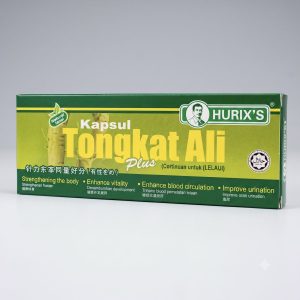
1. Tongkat Ali — Physta Standardized Extract
Mechanism: Tongkat Ali (Eurycoma longifolia) contains eurycomalactones and glycosaponins that suppress SHBG, stimulate LH release, and may directly act on Leydig cells to increase testosterone biosynthesis. The science-backed AKARALI Physta extract is water-soluble, standardized to a specific eurycomanone concentration, and is the most clinically studied Tongkat Ali.
| Parameter | Detail |
| Dose | 400 mg/day |
| Form | AKARALI® Physta© standardized hot water extract |
| Timing | Morning with food |
| Cycle | 5 days on, 2 days off — or 4 weeks on, 1 week off |
| Duration | Ongoing with cycling |
| Onset | 4–6 weeks for measurable hormonal changes |
Clinical evidence:
Multiple RCTs show statistically significant increases in free testosterone and reductions in SHBG in both physically active men and older males (>45 years). Cortisol reductions of ~16% have been documented in stressed subjects.
Warnings and side effects:
May cause mild insomnia if taken late in the day. Rarely causes irritability or heightened aggression at higher doses. Avoid if you have hormone-sensitive cancers. Drug interaction possible with immunosuppressants. Do not exceed 400–600 mg/day.
2. Ashwagandha — KSM-66 Extract
Mechanism: KSM-66 is a full-spectrum root extract standardized to ≥5% withanolides. It acts primarily as an adaptogen — reducing cortisol via downregulation of the HPA axis, which in turn allows the HPG axis to function without chronic suppression. It also demonstrates direct antioxidant effects in testicular tissue (protecting Leydig cells) and modestly increases LH.
| Parameter | Detail |
| Dose | 300–600 mg/day |
| Form | KSM-66 (full-spectrum, 5% withanolides) |
| Timing | Morning with food, or split AM/PM |
| Cycle | 8–12 weeks on, 4 weeks off |
| Duration | Cyclical, long-term safe |
| Onset | 4–8 weeks |
Clinical evidence:
A well-cited double-blind RCT found testosterone increases of 14.7% in infertile men after 90 days. Separately, a trial in resistance-trained men showed ~17% higher testosterone versus placebo alongside significant cortisol reductions.
Warnings and side effects:
Mild GI upset, drowsiness (particularly at 600 mg — hence the option to split the dose). Contraindicated in autoimmune conditions (multiple sclerosis, rheumatoid arthritis, lupus) due to immune-stimulating properties. Avoid during pregnancy. May potentiate thyroid medications — monitor TSH if hypothyroid.
3. Zinc — Bisglycinate Form (Night)
Mechanism: Zinc is a cofactor in testosterone biosynthesis and gonadotropin signaling. It inhibits aromatase — the enzyme that converts testosterone to estradiol. Zinc deficiency is directly correlated with hypogonadism in clinical literature. The glycinate form has superior absorption and reduces the GI side effects common with zinc sulfate or oxide.
| Parameter | Detail |
| Dose | 25–30 mg elemental zinc |
| Form | Zinc bisglycinate or zinc picolinate |
| Timing | Night, away from iron, calcium, and dairy |
| Duration | Daily, ongoing |
| Onset | 4–6 weeks |
Warnings and side effects:
Chronic dosing above 40 mg/day depletes copper — always take 1–2 mg of copper per 15 mg of zinc if using long-term, or use a zinc that includes copper. Nausea on an empty stomach is common — take with a small snack. High zinc competes with iron absorption.
4. Magnesium Glycinate (Night)
Mechanism: According to many studies, magnesium reduces SHBG directly, thus increasing free testosterone in low-T men. It is also essential for over 300 enzymatic reactions including those in the steroidogenesis pathway. Glycinate form is chelated for superior bioavailability and is the least likely to cause laxative effects (compared to magnesium oxide or citrate).
| Parameter | Detail |
| Dose | 300–400 mg elemental magnesium (as glycinate) |
| Timing | 30–60 minutes before bed |
| Duration | Daily, ongoing |
| Onset | 2–4 weeks for hormonal effects, sleep improvements often within days |
Warnings and side effects:
Very high doses (>700 mg elemental) can cause loose stools so should take much lower dose and a high caution in individuals with kidney disease — the kidneys regulate magnesium excretion and impaired function can lead to toxicity. May enhance the effect of certain blood pressure medications.
Synergistic Add-On Compounds
5. Vitamin D3 + K2
Mechanism: Vitamin D3 acts as a steroid hormone — VDR (vitamin D receptor) is expressed in Leydig cells. Multiple population studies show strong positive correlation between serum 25-OH-D and total testosterone. K2 (MK-7 form) directs calcium properly (away from arteries) and is often co-depleted in individuals low in D3.
| Parameter | Detail |
| Dose | 2,000–5,000 IU D3 + 100–200 mcg K2 (MK-7) |
| Timing | Morning with fatty food (fat-soluble) |
| Cycle | Daily, year-round in low-sun climates |
| Duration | Ongoing |
Warnings:
Excessive D3 (>10,000 IU/day chronic) causes hypercalcemia — nausea, kidney stones, confusion. Test 25-OH-D levels before supplementing and target 50–80 ng/mL. K2 contraindicated with warfarin (Coumadin) — it interferes with vitamin K-dependent clotting mechanisms.
6. Boron
Mechanism: Boron (as boron glycinate) significantly reduces SHBG after as few as 7 days of use in clinical trials. One notable study showed a ~29% increase in free testosterone and ~38% reduction in estradiol in men taking 10 mg/day of boron for one week. It also increases 25-OH-D and magnesium utilization.
| Parameter | Detail |
| Dose | 6–10 mg/day |
| Timing | Morning with food |
| Cycle | Daily, cyclical use (8 weeks on, 2–4 weeks off prudent) |
| Onset | Rapid — measurable within 7 days |
Warnings:
Very high doses of boron (>20 mg/day) are associated with reproductive toxicity in animal studies. Do not exceed 10 mg/day as a supplemental dose. Avoid if you have hormone-sensitive conditions.
7. Fadogia Agrestis
Mechanism: Fadogia contains saponins believed to mimic LH signaling, directly stimulating Leydig cell testosterone production. The research base is predominantly animal (rat) models showing dramatic testosterone increases. Human data is still emerging. This compound carries more theoretical risk than others and must be cycled.
| Parameter | Detail |
| Dose | 400–600 mg/day |
| Timing | Afternoon with food |
| Cycle | 8 weeks on, 4 weeks off — strict |
| Duration | Not for continuous long-term use |
Warnings and side effects:
Animal studies show potential testicular toxicity at high doses and with prolonged use — hence mandatory cycling. Monitor with bloodwork (LFTs, kidney function, testicular ultrasound if concerned). This is the highest-risk compound in the natural stack. Consider omitting if you are under 30 or have a family history of testicular disease.
8. Shilajit — PrimaVie Standardized Extract
Mechanism: Shilajit is a mineral pitch resin containing fulvic acid and dibenzo-alpha-pyrones (DBPs). The PrimaVie form is the only clinically standardized extract with human testosterone data. A double-blind RCT showed a statistically significant 23.5% increase in total testosterone and 19% in free testosterone versus placebo over 90 days. It also upregulates mitochondrial function, which benefits Leydig cell energy production.
| Parameter | Detail |
| Dose | 250–500 mg/day |
| Form | PrimaVie (standardized 50% fulvic acid) |
| Timing | Afternoon with food |
| Duration | 90-day cycles |
| Onset | 6–12 weeks |
Warnings:
Heavy metal contamination is a real risk in unverified shilajit products — always use third-party tested brands. May increase iron absorption — caution in hemochromatosis. Rare cases of increased uric acid reported.
9. Apigenin (Night Stack)
Mechanism: Apigenin is a flavonoid (found in chamomile) that inhibits the CD38 enzyme — the primary intracellular consumer of NAD+. By preserving NAD+, it supports sirtuin activity, mitochondrial function, and the steroidogenic pathway. It also has mild aromatase-inhibitory activity and is an anxiolytic that supports sleep quality.
| Parameter | Detail |
| Dose | 50 mg/day |
| Timing | Night, with magnesium |
| Duration | Daily, ongoing |
Warnings:
Apigenin is very well tolerated at this dose (50mg/day). However, users are cautioned against consuming high amounts (pharmacological range) that may affect thyroid function. Possible mild estrogenic activity at very high doses in some theoretical model, but there is are few less risks at 50 mg per day.
10. Inositol (Night Stack)
Mechanism: Myo-inositol improves insulin sensitivity and reduces SHBG by lowering fasting insulin. High insulin correlates with elevated SHBG. Inositol also supports FSH signaling. Particularly beneficial in men with metabolic syndrome, visceral fat, or pre-diabetes — all of which dramatically suppress testosterone.
| Parameter | Detail |
| Dose | 900 mg–2 g myo-inositol |
| Timing | Before bed or with dinner |
| Duration | Daily, ongoing |
Warnings:
Inositol is reported to be generally very safe. High doses (>4 g) may cause mild nausea or loose stools. May potentiate hypoglycemic medications — monitor blood glucose.
11. Glycine (Night Stack)
Mechanism: Glycine is a non-essential amino acid that dramatically improves sleep quality by lowering core body temperature and promoting NREM/delta sleep — the phase during which the majority of the nocturnal testosterone pulse and growth hormone release occur. Sleep deprivation (even partial) reduces testosterone by 10–15% per night.
| Parameter | Detail |
| Dose | 3–5 g |
| Timing | 30–60 minutes before bed |
| Duration | Daily, ongoing |
Warnings:
Glycine is reported to be extremely safe. At very high doses (>10 g), mild GI discomfort possible. This is one of the lowest-risk interventions in this entire testosterone stack.
12. Omega-3 Fatty Acids (EPA + DHA)
Mechanism: Omega-3s reduce chronic low-grade inflammation (lowering CRP and IL-6), which suppresses the HPG axis. They also reduce SHBG and improve Leydig cell membrane fluidity. High EPA:DHA ratios are associated with favorable testosterone profiles in epidemiological data.
| Parameter | Detail |
| Dose | 2–3 g combined EPA+DHA/day |
| Form | Triglyceride-form fish oil or algal oil |
| Timing | With any fatty meal |
| Duration | Daily, ongoing |
Warnings:
At high doses (>3 g/day), may thin blood — caution with anticoagulants. Source quality matters — look for IFOS-certified or molecularly distilled products to minimize heavy metal and PCB exposure. May lower LDL and triglycerides — a benefit for most men.
13. Active B-Complex (P-5-P Form)
Mechanism: B6 in its active form (pyridoxal-5-phosphate) modulates prolactin — chronically elevated prolactin suppresses LH and testosterone. B12 and folate support methylation pathways involved in steroid hormone metabolism and SHBG regulation. B1 and B2 support mitochondrial energy production upstream of steroidogenesis.
| Parameter | Detail |
| Dose | 1 capsule of a P-5-P complex (25–50 mg B6 as P-5-P) |
| Timing | Morning with food |
| Duration | Daily, ongoing |
Warnings: Standard B6 (pyridoxine HCl) at doses above 100 mg/day can cause peripheral neuropathy with chronic use — the P-5-P form does not carry the same risk at these doses. Do not take isolated B6 at high doses. B12 supplementation can mask B12 deficiency on standard bloodwork — test before supplementing.
14. Creatine Monohydrate
Mechanism: While primarily known as a strength/ergogenic aid, creatine modestly increases DHT (dihydrotestosterone — the most potent androgen) by upregulating 5-alpha reductase. Studies suggest that improves intramuscular energy availability, supporting the anabolic environment that testosterone acts upon. Heavy resistance training — facilitated by creatine — is itself one of the most potent natural testosterone stimuli.
| Parameter | Detail |
| Dose | 5 g/day |
| Timing | Pre- or post-workout; timing is flexible |
| Duration | Daily, continuous — no cycling required |
Warnings:
Ensure adequate hydration (3+ L/day) as creatine draws water intracellularly. May modestly increase serum creatinine — this is not indicative of kidney damage in healthy individuals but may flag on basic metabolic panels. Avoid taking creatine if you have pre-existing kidney disease.
Our further research revealed there are low-risk minerals, vitamins and herbs that can be combined, or paired as a daily testosterone stack. This is ideal if you taking the safest low risk option and not too concerned about achieving higher testosterone gains.
| Compound | Dose |
|---|---|
| Tongkat Ali Physta extract · anchor compound 5 on · 2 off | 400 mg |
| Vitamin D3 + K2 Cholecalciferol + MK-7 | 3–5 000 IU + 100 mcg |
| Omega-3 EPA + DHA · triglyceride form | 2 g |
| Compound | Dose |
|---|---|
| Ashwagandha KSM-66 · 5% withanolides · low dose 8 wks on · 3 off | 300 mg |
| Compound | Dose |
|---|---|
| Zinc Bisglycinate · away from iron | 30 mg |
| Magnesium Glycinate form | 400 mg |
| Glycine Free amino acid · GRAS | 3 g |
Risk & Important Warnings
Do not combine this stack with: Anabolic steroids (it becomes unpredictable), pharmaceutical aromatase inhibitors without medical supervision, anticoagulants (Omega-3 + Vitamin K2 interaction), thyroid medications (Ashwagandha), immunosuppressants (Tongkat Ali), or MAO inhibitors.
Stop all supplements and seek medical advice if you experience: Testicular pain or changes in size, gynecomastia (breast tissue growth), significant mood dysregulation or aggression, persistent headaches, jaundice (yellow skin/eyes — liver signal), nausea, persistent headaches or heart palpitations.
Population-specific cautions: Men under 25 have naturally high testosterone — aggressive supplementation at this age risks negative HPG axis feedback. Men with a history of prostate cancer, or elevated PSA, should not use this stack without oncologist clearance. Men on SSRIs or psychiatric medications should clear Ashwagandha (serotonergic activity overlap) with their prescriber.
No testosterone stack should be run without baseline and follow-up laboratory testing. We highly recommend for to perform a full bloodwork test or consult your nearest functional health expert before starting any testosterone stack.
There is a minimum recommended panel:
Baseline (before starting): Total testosterone, free testosterone, LH, FSH, SHBG, estradiol (E2), prolactin, DHEA-S, TSH, fasting glucose/insulin, CBC, CMP (liver/kidney), 25-OH-Vitamin D, ferritin, CBC.
Follow-up at 8–12 weeks: Repeat total and free T, SHBG, E2, LH/FSH, liver enzymes, and kidney function.
What to watch for:
A significant rise in estradiol alongside testosterone is normal — but a disproportionate rise in E2 relative to T (aromatase overactivation) may cause water retention, mood changes, or sexual dysfunction. In this case, boron, zinc, and dietary intervention (reducing alcohol, body fat) are first-line. Pharmaceutical aromatase inhibitors should only be considered under physician supervision.
While most testosterone supplement stack reported to work based on the efficacy of its individual clinically-backed studies, the effect of polyherbal or synergistic combination is not clinically validated by the scientific community due to various pathways and complex mechanism of actions. Therefore, our research suggests the probability of it inducing higher testosterone production largely depends on your baseline T-levels, pre-existing condition and lifestyle changes.
We also found that foundational interventions produce testosterone increases larger than most supplements in the literature, eg: sleep 7–9 hours per night (testosterone is primarily synthesized during sleep), maintaining a body fat between 10–18% in men (visceral fat drives aromatase activity), perform resistance training 3–5 times per week, limit alcohol to fewer than 3 drinks per week, and manage chronic stress aggressively. These are not optional additions to the stack — they are the stack’s foundation.
Tongkat Ali (Eurycoma longifolia / Physta Extract)
Chinnappan, S. M., George, A., Pandey, P., Narke, G., & Choudhary, K. (2021). Effect of Eurycoma longifolia standardised aqueous root extract — Physta® on testosterone levels and quality of life in ageing male subjects: A randomised, double-blind, placebo-controlled multicentre study. Food & Nutrition Research, 65, 5647. https://doi.org/10.29219/fnr.v65.5647
Ismail, S. B., Wan Mohammad, W. M., George, A., Nik Hussain, N. H., Musthapa Kamal, Z. M., & Liske, E. (2012). Randomized clinical trial on the use of PHYSTA freeze-dried water extract of Eurycoma longifolia for the improvement of quality of life and sexual well-being in men. Evidence-Based Complementary and Alternative Medicine, 2012, Article 429268. https://doi.org/10.1155/2012/429268
Leitão, A. E., de Souza Vieira, M. C., Pelegrini, A., da Silva, E. L., & de Azevedo Guimarães, A. C. (2021). A 6-month, double-blind, placebo-controlled, randomized trial to evaluate the effect of Eurycoma longifolia (Tongkat Ali) and concurrent training on erectile function and testosterone levels in androgen deficiency of aging males (ADAM). Maturitas, 145, 78–85. https://doi.org/10.1016/j.maturitas.2020.12.002
Leisegang, K., Finelli, R., Sikka, S. C., & Panner Selvam, M. K. (2022). Eurycoma longifolia (Jack) improves serum total testosterone in men: A systematic review and meta-analysis of clinical trials. Medicina, 58(8), 1128. https://doi.org/10.3390/medicina58081128
Tambi, M. I., Imran, M. K., & Henkel, R. R. (2012). Standardised water-soluble extract of Eurycoma longifolia, Tongkat Ali, as testosterone booster for managing men with late-onset hypogonadism? Andrologia, 44(Suppl. 1), 226–230. https://doi.org/10.1111/j.1439-0272.2011.01168.x
Talbott, S. M., Talbott, J. A., George, A., & Pugh, M. (2013). Effect of Tongkat Ali on stress hormones and psychological mood state in moderately stressed subjects. Journal of the International Society of Sports Nutrition, 10(1), 28. https://doi.org/10.1186/1550-2783-10-28
Henkel, R. R., Wang, R., Bassett, S. H., Chen, T., Liu, N., Zhu, Y., & Tambi, M. I. (2014). Tongkat Ali as a potential herbal supplement for physically active male and female seniors — a pilot study. Phytotherapy Research, 28(4), 544–550. https://doi.org/10.1002/ptr.5017
Ashwagandha (Withania somnifera / KSM-66)
Ambiye, V. R., Langade, D., Dongre, S., Aptikar, P., Kulkarni, M., & Dongre, A. (2013). Clinical evaluation of the spermatogenic activity of the root extract of ashwagandha (Withania somnifera) in oligospermic males: A pilot study. Evidence-Based Complementary and Alternative Medicine, 2013, Article 571420. https://doi.org/10.1155/2013/571420
Chandrasekhar, K., Kapoor, J., & Anishetty, S. (2012). A prospective, randomized double-blind, placebo-controlled study of safety and efficacy of a high-concentration full-spectrum extract of ashwagandha root in reducing stress and anxiety in adults. Indian Journal of Psychological Medicine, 34(3), 255–262. https://doi.org/10.4103/0253-7176.106022
Lopresti, A. L., Drummond, P. D., & Smith, S. J. (2019). A randomized, double-blind, placebo-controlled, crossover study examining the hormonal and vitality effects of ashwagandha (Withania somnifera) in aging, overweight males. American Journal of Men’s Health, 13(2), 1–15. https://doi.org/10.1177/1557988319835985
Wankhede, S., Langade, D., Joshi, K., Sinha, S. R., & Bhattacharyya, S. (2015). Examining the effect of Withania somnifera supplementation on muscle strength and recovery: A randomized controlled trial. Journal of the International Society of Sports Nutrition, 12(1), 43. https://doi.org/10.1186/s12970-015-0104-9
Zinc
Prasad, A. S., Mantzoros, C. S., Beck, F. W., Hess, J. W., & Brewer, G. J. (1996). Zinc status and serum testosterone levels of healthy adults. Nutrition, 12(5), 344–348. https://doi.org/10.1016/S0899-9007(96)80058-X
Te, L., Liu, J., Ma, J., & Wang, S. (2023). Correlation between serum zinc and testosterone: A systematic review. Journal of Trace Elements in Medicine and Biology, 76, Article 127124. https://doi.org/10.1016/j.jtemb.2022.127124
Magnesium
Cinar, V., Polat, Y., Baltaci, A. K., & Mogulkoc, R. (2011). Effects of magnesium supplementation on testosterone levels of athletes and sedentary subjects at rest and after exhaustion. Biological Trace Element Research, 140(1), 18–23. https://doi.org/10.1007/s12011-010-8676-3
Maggio, M., Ceda, G. P., Lauretani, F., Cattabiani, C., Avantaggiato, E., Morganti, S., Ablondi, F., Bandinelli, S., Dominguez, L. J., Barbagallo, M., Paolisso, G., Semba, R. D., & Ferrucci, L. (2011). Magnesium and anabolic hormones in older men. International Journal of Andrology, 34(6 Pt 2), e594–e600. https://doi.org/10.1111/j.1365-2605.2011.01193.x
Vitamin D3
Pilz, S., Frisch, S., Koertke, H., Kuhn, J., Dreier, J., Obermayer-Pietsch, B., Wehr, E., & Zittermann, A. (2011). Effect of vitamin D supplementation on testosterone levels in men. Hormone and Metabolic Research, 43(3), 223–225. https://doi.org/10.1055/s-0030-1269854
Lerchbaum, E., Pilz, S., Trummer, C., Schwetz, V., Pachernegg, O., Heijboer, A. C., & Obermayer-Pietsch, B. (2017). Vitamin D and testosterone in healthy men: A randomized controlled trial. Journal of Clinical Endocrinology & Metabolism, 102(11), 4292–4302. https://doi.org/10.1210/jc.2017-01428
Boron
Naghii, M. R., Mofid, M., Asgari, A. R., Hedayati, M., & Daneshpour, M. S. (2011). Comparative effects of daily and weekly boron supplementation on plasma steroid hormones and proinflammatory cytokines. Journal of Trace Elements in Medicine and Biology, 25(1), 54–58. https://doi.org/10.1016/j.jtemb.2010.10.001
Pizzorno, J. (2015). Nothing boring about boron. Integrative Medicine: A Clinician’s Journal, 14(4), 35–48. https://pmc.ncbi.nlm.nih.gov/articles/PMC4712861/
Shilajit (PrimaVie)
Biswas, T. K., Pandit, S., Mondal, S., Biswas, S. K., Jana, U., Ghosh, T., Tripathi, P. C., Debnath, P. K., Auddy, R. G., & Auddy, B. (2010). Clinical evaluation of spermatogenic activity of processed Shilajit in oligospermia. Andrologia, 42(1), 48–56. https://doi.org/10.1111/j.1439-0272.2009.00956.x
Pandit, S., Biswas, S., Jana, U., De, R. K., Mukhopadhyay, S. C., & Biswas, T. K. (2016). Clinical evaluation of purified Shilajit on testosterone levels in healthy volunteers. Andrologia, 48(5), 570–575. https://doi.org/10.1111/and.12482
Glycine and Sleep (Testosterone Relevance)
Bannai, M., Kawai, N., Ono, K., Nakahara, K., & Murakami, N. (2012). The effects of glycine on subjective daytime performance in partially sleep-restricted healthy volunteers. Frontiers in Neurology, 3, 61. https://doi.org/10.3389/fneur.2012.00061
Inagawa, K., Hiraoka, T., Kohda, T., Yamadera, W., & Takahashi, M. (2006). Subjective effects of glycine ingestion before bedtime on sleep quality. Sleep and Biological Rhythms, 4(1), 75–77. https://doi.org/10.1111/j.1479-8425.2006.00193.x
Yamadera, W., Inagawa, K., Chiba, S., Bannai, M., Takahashi, M., & Nakayama, K. (2007). Glycine ingestion improves subjective sleep quality in human volunteers, correlating with polysomnographic changes. Sleep and Biological Rhythms, 5(2), 126–131. https://doi.org/10.1111/j.1479-8425.2007.00262.x
Sleep Deprivation and Testosterone
Leproult, R., & Van Cauter, E. (2011). Effect of 1 week of sleep restriction on testosterone levels in young healthy men. JAMA, 305(21), 2173–2174. https://doi.org/10.1001/jama.2011.710
Note on scope: This reference list covers the primary clinical trials and systematic reviews directly cited or informing the article’s claims. Several compounds discussed (Fadogia agrestis, Apigenin, Inositol, Omega-3, B-vitamins, Creatine) have robust supporting literature in adjacent fields (andrology, endocrinology, metabolism) and may be the subject of a supplementary reference list upon request. All DOI links resolve to verified PubMed or primary journal records as of the date of article composition. This article reflects current scientific literature and clinical practice as of early 2026. Supplement science evolves rapidly — always verify with up-to-date peer-reviewed sources and work with a qualified healthcare provider who can interpret your personal bloodwork in context.

Alex Kua leads AKARALI’s Global Partnership Community to help athletes, sports communities, and thousand of others optimize their well-being through evidence-based research that enables them to make better informed decisions. His legal and business consulting background underpins the rigorous data-driven approach in his writing – from hours of interviews, real-world performance data, and firsthand experiences of real people – offering actionable insights that connects clinical research, emerging health trends, and real-world applications. He is also an experienced researcher in herbal nutrition, with years of deep technical knowledge on Tongkat Ali (Eurycoma longifolia), including quality standards, industry benchmarks, lab tests, clinical trials, and the use of natural herbs by collaborating with top scientists, herbal experts, and nutritionists. As part of the core team behind AKARALI’s knowledge portal, he empowers people worldwide to access the benefits of high-quality herbal nutrition in a way that is effective, sustainable, and safe. He is also an avid runner, with regular participation in local sports communities and running events.
Disclaimer:
The content published on this website is for educational purposes and should not be viewed, read, or seen as a prescription or constitute any form of medical advice. We recommend you consult your nearest GP or doctors before consuming Tongkat Ali or any products which contain Tongkat Ali. For further information, kindly refer to our Frequently Asked Questions (FAQ) for more information.