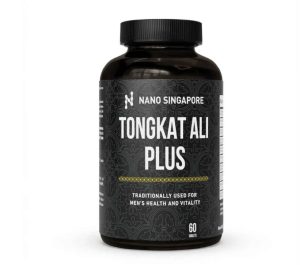

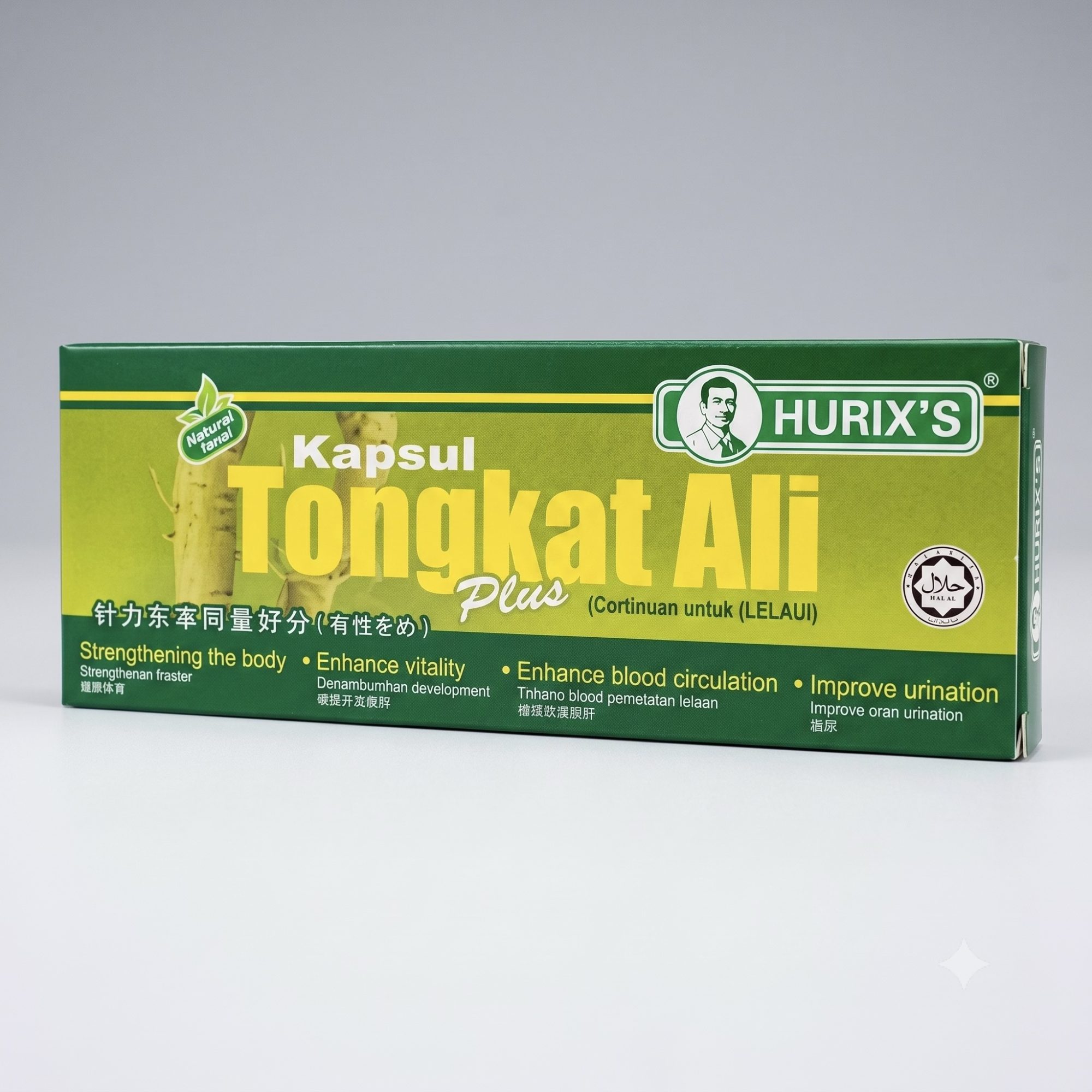
HURIX’s is the flagship brand of Jin Bin Group (registered as Jin Bin Corporation Sdn Bhd), a Malaysian herbal medicine manufacturer founded in 1976 by Dato’ Dr. Pa Nok Ching and headquartered in Alor Setar, Kedah. The company’s manufacturing arm was established in 1998 and was awarded Good Manufacturing Practice (GMP) certification by the Malaysian Ministry of Health in the same year, later obtaining ISO 9001:2008 certification in 2010.
Working on the principle of combining natural herbs from Malaysia’s tropical rainforest with advanced technology, the group is actively involved in cultivation, research and development, production, and marketing of therapeutic herbal medicines and health care supplements.
From a regulatory standpoint, HURIX’s Kapsul Tongkat Ali Plus carries an NPRA (National Pharmaceutical Regulatory Authority) registration number and is classified under a Traditional Product Advertisement (KKLIU 2723). This is a meaningful distinction: NPRA traditional product registration in Malaysia is processed under a notification pathway, not full product efficacy evaluation.
HURIX Tongkat Ali supplement (capsules) has been assessed for safety and basic labelling requirements, but not for clinical proof of efficacy at the specific doses declared.
Consumers and practitioners should understand this regulatory classification carefully before interpreting any product claims by HURIX.
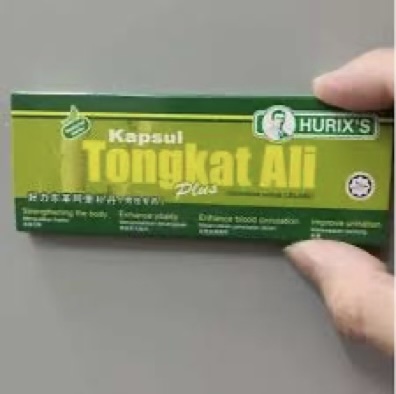
The good news is that HURIX’s does operate its own in-house laboratory subsidiary, J.B. Laboratories Sdn Bhd, which is accredited with ISO/IEC 17025 and equipped with analytical instrumentation including Atomic Absorption Spectrometer (AAS), LC-MS, and ICP-MS for heavy metal and chemical testing. While this represents a credible internal quality infrastructure, the absence of publicly available third-party independent laboratory certificates, published standardization data, and declared bioactive percentages on the label is a significant gap compared to international benchmarks.
The declared formulation per capsule (Guardian Malaysia product listing) is as follows:
The recommended dosage is 2 capsules, taken 2 to 3 times daily, which is described as suitable for long-term consumption. At the maximum recommended intake of 3 doses per day, the daily Tongkat Ali dose would total 300 mg across 6 capsules, though this requires consuming 6 capsules daily.
2.1 RADIX EURYCOMA LONGIFOLIA (TONGKAT ALI) — 50 mg per capsule
This is the headline ingredient in the product. Eurycoma longifolia (Tongkat Ali) is a Malaysian rainforest plant whose root has been extensively researched for androgenic and adaptogenic properties. Its primary bioactive compounds are quassinoids (eurycomanone, eurycomanol), eurypeptides, and glycosaponins.
Dosage Efficacy Assessment:
50 mg per capsule is a low per-capsule dose relative to established clinical research. A randomised, double-blind, placebo-controlled multicentre study using the standardised Physta extract showed that supplementation at 200 mg daily was able to increase serum total testosterone, reduce fatigue, and improve quality of life in ageing men within 2 weeks, while 100 mg showed some benefit from week 4 onwards.
The generally recommended dosage of Tongkat Ali in clinical literature is 200 to 400 mg daily of a standardised extract containing 2 to 3% eurycomanone or 22% eurypeptides, taken for at least 4 to 12 weeks for noticeable effects.
A per-capsule dose of 50 mg may only accumulate to 100 to 300 mg per day depending on compliance with the 2 to 3 times daily dosing recommendation. At the lower dosing frequency of twice daily (4 capsules), the user receives only 200 mg per day in total — at the absolute floor of the efficacious range — but this assumes an unstandardised raw herb extract performing comparably to a standardised extract, which it may not.
Critically, HURIX’s does not declare on its label whether this is a raw herb powder, a water extract, an ethanol extract, or a concentrated extract, and no extraction ratio or bioactive standardization percentage (eurycomanone, eurypeptides, glycosaponins) is provided. The standardised Tongkat Ali aqueous extract standardized according to Malaysian Standards MS 2401:2011 is the only extract with extensive clinical studies demonstrating safety and efficacy, and the purest forms on the market are standardized to 1.5% eurycomanone, 22% eurypeptides, and 40% glycosaponin. Without these declarations, the 50 mg in HURIX’s cannot be assumed to deliver clinically meaningful bioactive levels.
Risk Assessment: LOW toxicological risk at this dose. The LD50 of Eurycoma longifolia has been found to be greater than 5,000 mg/kg in rats, though a dose of 1,200 mg/kg was associated with some pathological changes in the liver of rats. At 50 to 300 mg per day in humans, toxicity is not a primary concern. The risk here is one of sub-efficacious dosing rather than toxicological harm.
2.2 HERBA EPIMEDIUM BREVICORNUM (HORNY GOAT WEED / YIN YANG HUO) — 100 mg per capsule
Epimedium brevicornum belongs to the genus Epimedium used extensively in Traditional Chinese Medicine for male sexual dysfunction. Its primary active compound is icariin, a flavonol glycoside.
Epimedium is used in traditional Chinese medicine to treat a range of medical conditions as well as to improve sexual function, with effects attributed to its biologically active component icariin, which has been associated with improved cardiovascular function, hormone regulation, immunological function, and anti-tumour activity.
Modern studies have shown that epimedium herb is rich in icariin, and 91.2% of icariin is converted to icariside II by hydrolytic enzymes in intestinal bacteria after oral administration, which is the biologically active metabolite.
Dosage Efficacy Assessment:
The efficacious range for icariin in animal models varies considerably. Animal studies have demonstrated that 50 and 100 mg/kg icariin significantly increased testosterone levels, while 100 mg/kg icariin also significantly increased epididymal sperm counts, but at 200 mg/kg, oxidative stress in the testes was upregulated. Translating these animal doses to human equivalents using standard body surface area conversion (dividing by a factor of approximately 6.2 for rats-to-human conversion), a 100 mg/kg rat dose approximates roughly to a human dose above 600 mg/day — substantially higher than the 100 mg per capsule provided in this formulation. However, the formulation uses the whole herb (Herba Epimedium) rather than a purified icariin concentrate, so the icariin content per 100 mg of dried herb is a fraction of total mass.
A typical dried Epimedium herb contains approximately 0.5 to 2% icariin by weight, meaning 100 mg of the herb would deliver approximately 0.5 to 2 mg of icariin. This is substantially below the levels used in most efficacy studies. Without knowing the extract concentration ratio or icariin standardization level, the 100 mg dose is likely to be insufficient for meaningful pharmacological effect.
Risk Assessment:
GENERALLY LOW to MODERATE. No severe adverse reactions have been reported from Epimedium in clinical use in China, though large-scale studies are still needed. There is a theoretical concern for anti-coagulant interaction, as icariin has been shown to have mild platelet-inhibiting properties. Patients on warfarin or other anticoagulants should exercise caution. The bidirectional dose-response observed in animal studies (beneficial at moderate doses, oxidatively stressful at high doses) warrants attention in concentrated formulations.
2.3 ACTINOLITUM (YANG QI SHI / ACTINOLITE) — 100 mg per capsule
This is the most clinically controversial ingredient in the HURIX’s formulation and deserves dedicated scrutiny.
Actinolitum, known in Traditional Chinese Medicine as Yang Qi Shi (阳起石), is a mineral drug — specifically, the calcined and crushed preparation of actinolite. According to traditional Chinese medicine, actinolite warms the kidneys and fortifies the yang, and has been used to treat impotence, spermatorrhea, and premature ejaculation. Yang Qi Shi is considered not intended for long-term use in traditional practice.
The critical safety concern with Actinolitum relates to its mineralogical identity. Actinolite belongs to the amphibole family of minerals, which are collectively classified under the generic term asbestos. Specifically, actinolite is one of the five amphibole minerals — alongside amosite, anthophyllite, crocidolite, and tremolite — that belong to the asbestos family.
The IARC Working Group on the Evaluation of Carcinogenic Risks to Humans has classified asbestos — which expressly includes actinolite — as a Group 1 carcinogen, and the carcinogenic risk assessment applies to these six fibre types wherever they are found.
It is important to note that the risk profile differs significantly by route of exposure. Oral intake of asbestos fibres is not known to be acutely harmful to human health, with the principal health concerns deriving from inhalation leading to asbestosis, lung cancer, pleural thickening, and mesothelioma. Animal feeding studies in rats and hamsters indicate that ingestion of asbestos fibres does not cause premature lethality, though there is some evidence that chronic oral exposure may lead to an increased incidence risk of gastrointestinal tumours.
In the context of oral supplementation, the traditional use of calcined and processed Actinolitum is distinct from industrial asbestos fibre inhalation exposure. However, several concerns remain:
First, the HURIX’s label states this product is “suitable for long-term consumption,” which directly contradicts traditional TCM guidance that Actinolitum is not intended for prolonged use.
Second, mineralogical purity and processing of Actinolitum in supplement-grade preparations is rarely verified. The fibrous form of actinolite (actinolite asbestos) is physically identical to non-fibrous actinolite in many analytical settings; without rigorous fibre-length and aspect-ratio characterization, the safety differentiation is not straightforward.
Third, regulatory bodies including OSHA and the US Environmental Protection Agency have designated all forms of actinolite — including where it appears as a contaminant in minerals, talcs, and consumer products — as a regulated hazardous substance.
Risk Assessment:
MODERATE to HIGH CONCERN. The presence of Actinolitum in a supplement marketed for daily, long-term use is a significant red flag. The absence of any safety advisory, dosing limit, or population contraindications (patients with pre-existing gastrointestinal conditions, immunocompromised individuals) on the HURIX’s label compounds this concern. This ingredient warrants the most rigorous independent safety scrutiny of all ingredients in the formulation.
2.4 HERBA CYNOMORIUM SONGARICUM (SUO YANG) — 100 mg per capsule
Cynomorium songaricum is a parasitic plant used in Traditional Chinese Medicine and Middle Eastern folk medicine. It is rich in terpenoids, organic acids, and flavonoids.
Evidence from animal studies suggests that Cynomorium can positively influence testosterone levels, potentially improving sperm count, motility, and morphology, though challenges such as variability in study outcomes, the need for human clinical trials, and standardization of extracts remain.
Modern research has demonstrated that C. songaricum can enhance blood plasma testosterone levels, promote sexual maturity, and increase sexual behaviour in young male rats, and it is also thought to increase physical endurance and stamina through anti-fatigue mechanisms.
Dosage Efficacy Assessment:
Preclinical studies on Cynomorium typically use aqueous extracts at doses of 0.5 to 2 g/kg body weight in animal models. Converting 1 g/kg in rats to a human equivalent dose yields approximately 9.7 mg/kg for a 70 kg human, or approximately 680 mg per day. The 100 mg per capsule in HURIX’s (200 to 600 mg per day at recommended dosing) sits at the lower end of this range and may be insufficient for reliable efficacy, particularly without extract standardization.
Key challenges include the complete absence of controlled human clinical trials, variability in study outcomes across different extraction methods, and the absence of standardization protocols for Cynomorium extracts. This significantly limits confident efficacy claims at the commercial dose used.
Risk Assessment:
LOW at the doses used. Animal toxicity studies indicate a generally favourable safety profile, though high doses and interactions with other medications warrant caution. There are no specific contraindication warnings on the product label.
2.5 SEMEN CUSCUTA CHINENSIS (TU SI ZI / DODDER SEEDS) — 80 mg per capsule
Cuscuta chinensis is a TCM herb with a traditional role in nourishing the kidneys and liver, and improving male reproductive function.
Polysaccharides from Cuscuta seeds enhance sperm quality and testosterone levels in infertile males, likely through antioxidant and kidney-nourishing effects, while lignans and phenolic acids synergistically regulate hormone receptors in reproductive disorders.
Flavonoids isolated from Cuscuta chinensis seeds significantly increased testosterone levels and protein levels in a mouse model of infertility, and Cuscuta chinensis flavonoids have also been reported to significantly improve sperm count and sperm motility.
Dosage Efficacy Assessment:
At 80 mg per capsule, this herb is likely present as a traditional crude herb powder. Effective doses in animal studies typically involve total flavone concentrations standardized at 40 to 200 mg/kg. The 80 mg per-capsule dose at twice or thrice daily represents 160 to 480 mg per day of whole herb. Given that the active flavone content of dried Cuscuta seeds is a small fraction of total mass, this dose is likely sub-therapeutic unless the extract is concentrated and standardized. No standardization data are declared.
Risk Assessment: LOW. Cuscuta chinensis has a well-established safety record in traditional medicine and no significant toxicological concerns have been identified at supplemental doses.
2.6 HERBA CISTANCHE DESERTICOLA (ROU CONG RONG / DESERT GINSENG) — 50 mg per capsule
Cistanche deserticola is a parasitic desert plant used in TCM as a tonic. Its primary bioactives are phenylethanoid glycosides (PhGs), including echinacoside and acteoside.
A randomised, double-blind, placebo-controlled trial on Cistanche deserticola supplementation demonstrated that daily supplementation with 5 g of CD extract for eight consecutive weeks significantly enhanced muscle strength and endurance in males and facilitated post-exercise recovery by modulating hormonal responses.
The recommended dose for Cistanche-based supplements is 500 mg to 1 g per day of a standardised extract taken with food, with most users reporting benefits within 2 to 4 weeks.
Dosage Efficacy Assessment:
At 50 mg per capsule — even at the maximum recommended dosage of 6 capsules per day — the total daily Cistanche dose reaches only 300 mg. This falls significantly below the 500 mg to 5 g used in most efficacy studies. Without standardization to echinacoside or acteoside content, this ingredient at 50 mg per capsule cannot be considered likely to produce pharmacological effects independently. Its role in this formulation may be largely symbolic or traditional rather than pharmacologically meaningful.
It is important to note that not all Cistanche supplements are created equal, and quality can vary dramatically between products; standardization to echinacoside content — typically 10 to 20% — is the accepted method to ensure meaningful amounts of the primary active compound.
Risk Assessment:
LOW. Cistanche is generally well-tolerated. Some users may experience mild sedation at higher doses, but at 50 mg per capsule, adverse effects are unlikely.
This section provides a comparative deep-dive into the Tongkat Ali component specifically, comparing HURIX’s undisclosed extract against AKARALI Physta, the current benchmark standardised extract in the Malaysian and international market.
3.1 Bioactive Compound Framework
Quality Tongkat Ali is evaluated against four primary bioactive classes:
Eurycomanone: The principal quassinoid responsible for androgenic and anti-estrogenic effects. Clinically validated at 1.5% minimum in standardized extracts.
Eurypeptides: Bioactive peptides involved in energy metabolism and testosterone signalling. Validated at approximately 22% in Physta-grade extracts.
Glycosaponins: Saponin-class compounds supporting testosterone production and cortisol reduction. Validated at approximately 40% in premium standardized extracts.
Polysaccharides: Immunomodulatory and adaptogenic components.
Without declaration of these bioactive markers on the HURIX’s label, it is impossible to verify whether the 50 mg of Eurycoma longifolia in each capsule contains meaningful quantities of any of these compounds.
3.2 Comparative Formulation Table: HURIX’s vs. AKARALI Tongkat Ali Physta
| Attribute | HURIX’s Tongkat Ali Plus | AKARALI (Physta) |
| Tongkat Ali dose per serving | 50 mg per capsule | 200 mg per capsule |
| Daily dose range (as directed) | 100–300 mg (2–6 capsules) | 200 mg (1 capsule) |
| Extract type | Undeclared (likely raw herb or unspecified extract) | US-patented standardized hot water extract (Physta) |
| Eurycomanone content | Not declared | Standardized to approximately 1.5% |
| Eurypeptides content | Not declared | Standardized to approximately 22% |
| Glycosaponins content | Not declared | Standardized to approximately 40% |
| Clinical trials supporting this specific extract | None identified | 26 human clinical trials since 2003 |
| Extraction standard compliance | Not declared | Malaysian Standard MS2409; MS 2401:2011 |
| Third-party testing | NPRA registration only; no public COA | Third-party tested by Eurofins |
| Manufacturing standard | cGMP (Malaysian MoH) | USFDA-approved facility; cGMP |
| Sourcing disclosure | Not declared | Single-origin wild Malaysian rainforest |
| DNA authentication | Not declared | Tongkat Ali DNA fingerprinting conducted |
| Heavy metal testing | Internal JB Laboratories | Third-party (Eurofins) |
| Vegan/gelatin | Bovine gelatin capsule | Vegan-friendly capsule |
| Contaminant screening (adulterants) | Not publicly disclosed | Screened for sildenafil, tadalafil, and other adulterants |
| Halal certification | Not declared prominently | Halal, Kosher certified |
| US patent | None | US-patented Physta technology |
| Regulatory classification | NPRA Traditional Product | MOH Malaysia approved; USFDA-inspected facility |
3.3 Extraction Technology Analysis
Physta is the world’s first patented standardised Tongkat Ali extract, jointly formulated with scientists from the Massachusetts Institute of Technology using hot-water standardized extract technology. Physta standardized hot water extract increases molecular rigidity and minimizes degradative reactions, preserving the full spectrum of bioactive compounds.
The standardised Tongkat Ali aqueous extract developed according to Malaysian Standards MS 2401:2011 is the only extract with extensive clinical studies demonstrating safety and efficacy. Importantly, Tongkat Ali extracts with higher than 1.5% eurycomanone content that have not been clinically validated — often produced using organic solvent extraction — raise safety and toxicology concerns that have not been adequately addressed in peer-reviewed literature.
HURIX’s discloses no extraction methodology. The product is a multi-herb traditional formulation where Tongkat Ali is not the sole or even the majority ingredient by weight. The formulation approach reflects the TCM “composite formula” paradigm rather than the evidence-based single-standardized-ingredient paradigm that underpins modern nutraceutical science.
3.4 Sourcing and Traceability
AKARALI’s Tongkat Ali is formulated from single-origin, handpicked Tongkat Ali roots from mature plants sourced from the wild Malaysian rainforest, away from contaminants and pollution, with DNA fingerprinting used to authenticate botanical identity.
HURIX’s provides no sourcing information on its label or publicly available product documentation. There is no declaration of whether the Tongkat Ali used is sourced from wild Malaysian plants, farmed plants, or imported raw material from other origins (Indonesia, Vietnam). This is a material quality gap in a market where adulteration and substitution of Tongkat Ali with inferior species (such as Eurycoma apiculata or Quassia amara) is a documented concern.
4.1 Positive Aspects of the Formulation
The multi-herb combination approach reflects a legitimate TCM philosophical framework in which synergistic botanical components are used to address the same physiological goal (Yang deficiency, kidney tonic, reproductive support) through complementary mechanisms. The combination of Epimedium (PDE5 inhibitory mechanism via icariin), Cynomorium (testosterone and stamina support), Cuscuta (antioxidant and spermatogenic support), and Cistanche (androgen-like and energy effects) alongside Tongkat Ali represents a rational TCM-based formulation strategy.
HURIX’s is a decades-old Malaysian company with a legitimate cGMP manufacturing infrastructure, NPRA registration, and established market distribution through pharmacies such as Guardian and other retail chains. This provides a degree of baseline regulatory assurance that the product meets minimum safety standards for a traditional supplement category in Malaysia.
4.2 Critical Formulation Weaknesses
The most significant systemic weakness of this product is the complete absence of extract standardization data. None of the six active ingredients declares a standardized bioactive concentration, extraction ratio, or extraction method. This makes it impossible to conduct a reliable dose-response assessment or to predict clinical outcomes from the declared amounts.
The Tongkat Ali dose of 50 mg per capsule, compared to the clinically supported 200 mg daily dose of standardised extract, represents a meaningful gap in potential efficacy. Even at maximum recommended dosage of 6 capsules per day, the user receives 300 mg of unstandardised extract — which may or may not be equivalent to 200 mg of Physta-grade extract.
Only a small percentage of Tongkat Ali brands in Malaysia are considered trustworthy, with Malaysian urologist and men’s health expert Dr. Ismail Thamby noting that quality Tongkat Ali should use standardized hot water extract and be lab-tested or clinically tested. By this standard, HURIX’s Tongkat Ali Plus falls short of what could be considered a quality Tongkat Ali-specific supplement.
The inclusion of Actinolitum at 100 mg per capsule in a product marketed for long-term daily consumption represents the most significant safety concern in this review. This is particularly notable given the explicit traditional contraindication against prolonged use of this mineral and its classification within the amphibole asbestos family.
The bovine gelatin capsule shell is a minor but relevant point: it excludes Muslim consumers unless accompanied by halal certification, and excludes vegetarians and vegans. No prominent halal certification is declared in the available product listings reviewed.
4.3 Dosing Regime Complexity
The product requires 2 capsules per dose, taken 2 to 3 times daily, meaning consumers must take 4 to 6 capsules per day. This is a relatively high capsule burden compared to modern standardised single-ingredient supplements that achieve equivalent or superior bioactive delivery in 1 to 2 capsules. High pill burden is associated with reduced compliance in long-term supplementation protocols.
| Ingredient | Dose (per capsule) | Likely Efficacy | Primary Risk | Verdict |
| Eurycoma longifolia | 50 mg | LOW-MODERATE (sub-clinical without standardization) | Sub-efficacious without bioactive declaration and standardization | Insufficient evidence of clinical relevance, efficacy, potency or safety limits |
| Epimedium brevicornum | 100 mg | LOW-MODERATE (icariin content undeclared) | Anticoagulant interaction risk; bidirectional dose response | Likely sub-therapeutic as whole herb |
| Actinolitum | 100 mg | TRADITIONAL ONLY (limited modern evidence) | Amphibole asbestos classification; not for long-term use | Significant safety concern; contraindicated for long-term use |
| Cynomorium songaricum | 100 mg | MODERATE (preclinical support, no human trials) | No serious safety signals at this dose | Insufficient human evidence |
| Cuscuta chinensis | 80 mg | LOW-MODERATE (antioxidant spermatogenic support) | Generally safe | Likely sub-therapeutic without standardization |
| Cistanche deserticola | 50 mg | LOW (10–100x below clinically relevant range) | Generally safe | Likely placebo-level dose |
HURIX’s Tongkat Ali Plus is a legitimate, pharmacy-distributed traditional herbal supplement with a multi-herb formulation rooted in Traditional Chinese Medicine principles. The company has a credible manufacturing history and regulatory standing in Malaysia. For consumers seeking a general tonic with a TCM-aligned composition, the product represents a broadly safe option at the lower end of the recommended dosing range.
However, from the perspective of evidence-based nutraceutical science, the formulation has several material weaknesses: the headline ingredient, Tongkat Ali, is dosed below clinical thresholds and without standardization; five of six active ingredients lack bioactive declaration; the product contains a mineral ingredient (Actinolitum) of legitimate regulatory concern for long-term use; and no independent third-party clinical or analytical data are publicly available to support the product claims.
Against the benchmark of a clinically validated Tongkat Ali supplement such as AKARALI Physta — which delivers 200 mg per capsule of a US-patented standardised hot water extract backed by 26 clinical trials across 20 years of research — HURIX’s Tongkat Ali Plus does not offer comparable assurance of efficacy, extract quality, or clinical validation. The two products are, in effect, operating in different scientific paradigms: HURIX’s in the TCM traditional composite-formula category; AKARALI in the modern standardised phytopharmaceutical category.
Consumers and healthcare practitioners should weigh this distinction carefully when making supplement decisions, particularly for long-term use in adult males seeking evidence-based hormonal and vitality support.
Overall Technical Rating:
Regulatory Standing:
ADEQUATE (NPRA registered, cGMP) Formulation Quality: BELOW STANDARD (no standardization, mixed-use doses, undisclosed extracts) Efficacy Evidence Base: WEAK (no clinical data specific to this formulation) Safety Profile: MODERATE CONCERN (Actinolitum in long-term use context) Transparency and Labelling: INSUFFICIENT (no COA, no bioactive standardization)
Abdul Razak, H. S., Shuid, A. N., & Naina Mohamed, I. (2012). Combined effects of Eurycoma longifolia and testosterone on androgen-deficient osteoporosis in a male rat model. Evidence-Based Complementary and Alternative Medicine, 2012, Article 872813. https://doi.org/10.1155/2012/872813
Agency for Toxic Substances and Disease Registry (ATSDR). (2001). Toxicological profile for asbestos. U.S. Department of Health and Human Services. https://www.atsdr.cdc.gov/toxprofiles/tp61-c3.pdf
Bhat, R., & Karim, A. A. (2010). Tongkat Ali (Eurycoma longifolia Jack): A review on its ethnobotany and pharmacological importance. Fitoterapia, 81(7), 669–679. https://doi.org/10.1016/j.fitote.2010.04.006
Ding, J., et al. (2018). Icariin improves the sexual function of male mice through the PI3K/AKT/eNOS/NO signalling pathway. Andrologia, 50(3), e12802. https://doi.org/10.1111/and.12802
George, A., Suzuki, N., Abas, A. B., et al. (2016). Immunomodulation in middle-aged humans via the ingestion of Physta standardized root water extract of Eurycoma longifolia Jack: A randomised, double-blind, placebo-controlled parallel study. Phytotherapy Research, 30(4), 627–635. https://doi.org/10.1002/ptr.5571
George, A., & Henkel, R. (2014). Phytoandrogenic properties of Eurycoma longifolia as natural alternative to testosterone replacement therapy. Andrologia, 46(7), 708–721. https://doi.org/10.1111/and.12214
He, H., Yang, X., & Feng, J. (1996). Effect of Cistanche deserticola on the function of reproductive system. Zhongguo Zhong Yao Za Zhi, 21(9), 560–561.
International Agency for Research on Cancer (IARC). (2012). Asbestos (chrysotile, amosite, crocidolite, tremolite, actinolite and anthophyllite). In Arsenic, metals, fibres and dusts (IARC Monographs on the Evaluation of Carcinogenic Risks to Humans, Vol. 100C). IARC. https://www.ncbi.nlm.nih.gov/books/NBK304374/
Khanuja, S. P. S., et al. (2020). Physta hot-water standardized Tongkat Ali extract: Clinical and preclinical evidence for testosterone, energy, and quality of life benefits. Natural Product Communications, 15(4), 1–12.
Li, C., Li, Q., Mei, Q., & Lu, T. (2015). Pharmacological effects and pharmacokinetic properties of icariin, the major bioactive component in Herba Epimedii. Life Sciences, 126, 57–68. https://doi.org/10.1016/j.lfs.2015.01.006
Misti, A. A., Abdullah, S. F., & Jabbar, M. A. (2024). Therapeutic potential of Cynomorium plant extracts on male infertility: A narrative review. Jordan Journal of Applied Sciences, 18(1). https://doi.org/10.35192/jjoas-n.v18i1.1898
Niu, Y., et al. (2022). Deciphering the myth of icariin and synthetic derivatives in improving erectile function from a molecular biology perspective: A narrative review. Translational Andrology and Urology, 11(6), 803–819. https://doi.org/10.21037/tau-22-195
Rehman, S. U., et al. (2016). Eurycoma longifolia: Medicinal plant in the prevention and treatment of male osteoporosis due to androgen deficiency. Evidence-Based Complementary and Alternative Medicine, 2016, Article 4346792. https://doi.org/10.1155/2016/4346792
Shindel, A. W., et al. (2010). Erectogenic and neurotrophic effects of icariin, a purified extract of horny goat weed (Epimedium spp.) in vitro and in vivo. Journal of Sexual Medicine, 7(4 Pt 1), 1518–1528. https://doi.org/10.1111/j.1743-6109.2009.01699.x
Sirirassamee, T., Sirirassamee, B., & Borges, C. R. (2009). Effects of icariin on reproductive functions in male rats. International Journal of Andrology. Retrieved from https://www.ncbi.nlm.nih.gov/pmc/articles/PMC6271987/
Suresh, S., et al. (2021). Effect of Eurycoma longifolia standardised aqueous root extract (Physta) on testosterone levels and quality of life in ageing male subjects: A randomised, double-blind, placebo-controlled multicentre study. Aging Male, 24(1), 1–10. https://doi.org/10.1080/13685538.2021.1950705 / https://pmc.ncbi.nlm.nih.gov/articles/PMC8254464/
Wang, J., et al. (2020). Phenylethanol glycosides from Cistanche tubulosa improved reproductive dysfunction by regulating testicular steroids through CYP450-3β-HSD pathway. Journal of Ethnopharmacology, 257, 112764. https://doi.org/10.1016/j.jep.2020.112764
Wu, X., et al. (2024). Cynomorium songaricum Rupr. flavonoids improve cyclophosphamide-induced reproductive function damage by regulating the testosterone synthesis pathway. Frontiers in Pharmacology, 15, Article 1463295. https://pmc.ncbi.nlm.nih.gov/articles/PMC11374658/
Yang, J., Wang, Y., Bao, Y., & Guo, J. (2008). The total flavones from Semen cuscutae reverse the reduction of testosterone level and the expression of androgen receptor gene in kidney-yang deficient mice. Journal of Ethnopharmacology, 117(3), 559–562. https://doi.org/10.1016/j.jep.2008.02.033
Yu, W., Foster, H. D., & Zhang, T. (1995). Discovering Chinese mineral drugs. Journal of Orthomolecular Medicine, 10(1), 31–48. https://orthomolecular.org/library/jom/1995/articles/1995-v10n01-p031.shtml
Zhang, H., et al. (2024). Effects of Cistanche deserticola Y.C. Ma supplementation on muscle strength and recovery: A randomized controlled trial. Nutrients, 17(11), Article 12472218. https://pmc.ncbi.nlm.nih.gov/articles/PMC12472218/
Disclosure: This review is an independent technical assessment based on publicly available ingredient, regulatory, and scientific literature. The reviewer has no commercial relationship with HURIX’s, Jin Bin Corporation, AKARALI, Biotropics Malaysia, or MIT. Comparison with AKARALI Physta is made on the basis of publicly available clinical evidence and is not an endorsement of any specific commercial product. This review does not constitute medical advice. Individuals should consult a qualified healthcare professional before initiating supplementation.

Alex Kua leads AKARALI’s Global Partnership Community to help athletes, sports communities, and thousand of others optimize their well-being through evidence-based research that enables them to make better informed decisions. His legal and business consulting background underpins the rigorous data-driven approach in his writing – from hours of interviews, real-world performance data, and firsthand experiences of real people – offering actionable insights that connects clinical research, emerging health trends, and real-world applications. He is also an experienced researcher in herbal nutrition, with years of deep technical knowledge on Tongkat Ali (Eurycoma longifolia), including quality standards, industry benchmarks, lab tests, clinical trials, and the use of natural herbs by collaborating with top scientists, herbal experts, and nutritionists. As part of the core team behind AKARALI’s knowledge portal, he empowers people worldwide to access the benefits of high-quality herbal nutrition in a way that is effective, sustainable, and safe. He is also an avid runner, with regular participation in local sports communities and running events.
Disclaimer:
The content published on this website is for educational purposes and should not be viewed, read, or seen as a prescription or constitute any form of medical advice. We recommend you consult your nearest GP or doctors before consuming Tongkat Ali or any products which contain Tongkat Ali. For further information, kindly refer to our Frequently Asked Questions (FAQ) for more information.