
An evidentiary reference on Tongkat Ali human consumption for regulators, customs and border authorities, industry, consumers and researchers
The central claim of the evidence of human use, in our view, no longer seriously contestable: Eurycoma longifolia Jack — Tongkat Ali — is not an exotic, untested, or “novel” botanical in any meaningful scientific or historical sense. It is one of the most thoroughly documented natural plants of maritime Southeast Asia since the 1800s, with a continuous, written, Western-catalogued botanical and medical record of human consumption stretching back to the early nineteenth century and an oral-traditional record reaching considerably further.
Evidence showed that Tongkat Ali is consumed by tens of millions of people annually in the United States and United Kingdom in 2026, embedded in mass-market food products manufactured by some of the world's largest food companies, and supported by a sound clinical literature that few traditional botanicals can match since 1822.
Where regulatory friction exists — principally the European Union and Great Britain “novel food” classification — that friction arises from a narrow legal test (human consumption within the EU before 15 May 1997), not from any genuine absence of history of use.
This article investigates the use of Tongkat Ali as a traditional herb, food and evidence of human use dating back to the 1800s.
Tongkat Ali is a slender understorey tree of the family Simaroubaceae, native to Indo-China and western Malesia —notably found and used in Malaysia, Indonesia (notably Borneo and Sumatra), Thailand, Vietnam, Cambodia, Laos, Myanmar, and the Philippines. The medicinal portion is the root, prized precisely because it is among the most intensely bitter plant materials known, a bitterness driven by its characteristic quassinoids, chiefly eurycomanone.
The plant entered formal Western science through Dr William Jack (1795–1822), a Scottish botanist and surgeon with the East India Company who accompanied Sir Stamford Raffles to Malaysia.
Jack described the species and assigned the binomial Eurycoma longifolia; the name was first validly published in Malayan Miscellanies, Volume 2, part 7, page 45, in 1822 — a citation independently maintained today by the Royal Botanic Gardens, Kew, in its Plants of the World Online authority file.
Experts believe Tongkat Ali’s commercial name Long Jack was used in the early days to recognize William Jack’s discovery of its use by the Malays as jamu – a practice of herbal wellness for general vitality and health.
The genus name Eurycoma derives from Greek, referring to the broad ring of hairs within the flower. William Jack worked from Bencoolen and died there on 15 September 1822; much of his original material was lost to a shipboard fire in 1824, which is itself part of why the published 1822 description of Tongkat Ali carries such weight as the surviving primary record.
The significance for a customs officer or regulator is this: the scientific naming of Tongkat Ali (Eurycoma Longifolia) is not a modern marketing classification. It is a two-hundred-year-old taxonomic fact, authored by a British colonial scientist / medical officer and curated by Britain's own national botanical institution (Royal Kews).
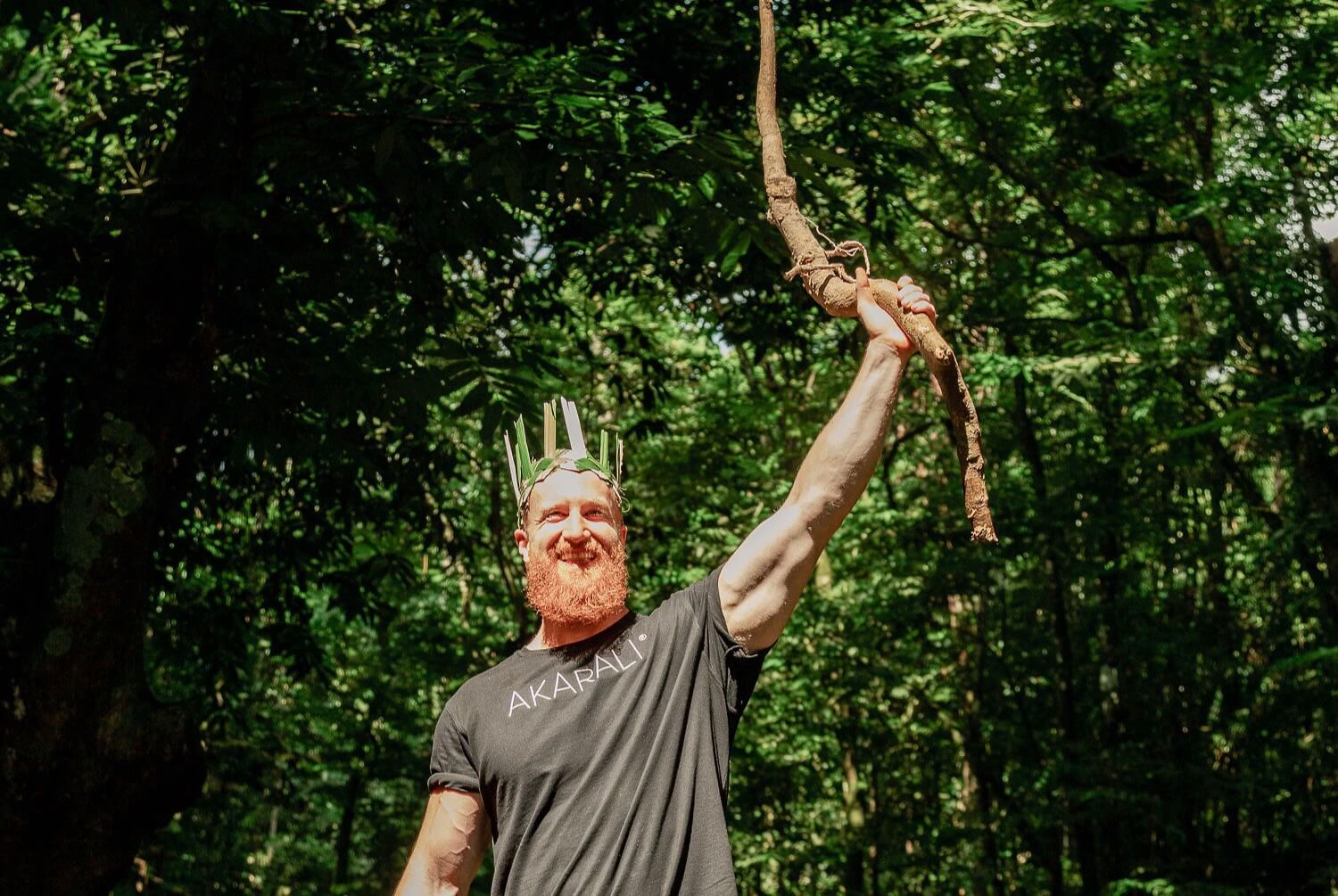
The vernacular names reinforce the depth of cultural embedding. “Tongkat Ali” is Malay for “Ali’s walking stick,” referring both to the long, twisting root and, by folk extension, to the plant’s reputation for restoring male vigour. And in recent years, the term “Akar Ali” is often used by the Malays, a direct translation of “Tongkat Ali roots”, noting that the roots are highly regarded as the most potent part of the plant, used in modern manufacturing, export and found in food supplements.
Across the region in Indonesia, Tongkat Ali is also traditionally known as penawar pahit (“bitter charm” or “bitter medicine”), pasak bumi (Indonesia), bedara merah, muntah bumi, and many others; in the United States it has long traded under the common name “long jack.”, which later made known as “Tongkat Ali” in the late 2000s.
The history-of-use evidence of Tongkat Ali (Long Jack) is unusually rich in Malaysia because the British colonial medical and botanical establishment documented it directly (in English), while administering the territories where the plant grew.
Three strata of evidence stand out.
First, the colonial ethnobotanical and medical literature.
Dr John Desmond Gimlette (1867–1934), a British colonial medical officer who served for many years in Kelantan, recorded Malay traditional medicine, charms, and healing practice in detail. His Malay Poisons and Charm Cures and the later A Dictionary of Malayan Medicine (completed with H. W. Thomson and published in 1939) document the use of Tongkat Ali root within the living Malay materia medica.
Dr. Gimlette’s testimony is especially valuable evidentially because he was a sceptical, Western-trained physician cataloguing practices he often did not endorse — he was a hostile-but-careful witness, which is the strongest kind for establishing that the traditional use of Tongkat Ali as herbal tonic (drink) and for general revitalization of human health genuinely existed and was widespread in Malaysia since the 1930s.
Second, the definitive economic-botany reference.
I. H. Burkill’s A Dictionary of the Economic Products of the Malay Peninsula (1935), published by the Crown Agents for the Colonies, remains the authoritative inventory of how Malayan peoples actually used their plants.
It records the Tongkat Ali root usage as a febrifuge and antimalarial, as a post-partum tonic for women, and as a remedy for sexual debility — established uses, not mere speculation. And this evidence existed through interviews with the Malaysian local Malay communities, Orang Asli and others.
Third, the foundational taxonomic literature, beginning with Jack (1822) and continuing through nineteenth- and twentieth-century floras, which consistently note the plant’s medicinal reputation alongside its botanical description.
Modern peer-reviewed syntheses corroborate this record rather than inventing it. Bhat and Karim’s review in Fitoterapia (2010) and the much-cited review by Rehman, Choe, and Yoo in Molecules (2016) both open from the same ethnobotanical premise: that for centuries the root has been used across Southeast Asia to treat fever and hypertension, to manage sexual insufficiency, and as a general post-illness and post-partum restorative. These are not fringe sources; the Rehman review alone is one of the most cited papers in the field.
In addition, the Malaysian health authorities and agricultural ministry has formalised this knowledge.
The Malaysian Herbal Monograph — building on the 1999 Eurycoma Longifolia monograph and updated in subsequent editions through 2015 by the Institute for Medical Research under the Ministry of Health — codifies Tongkat Ali's identity, traditional indications, quality parameters, and safety profile in pharmacopoeial form. A national government does not write a monograph for a substance nobody uses.
The traditional preparation is itself simple and well-attested: the woody root is sliced or chipped, then boiled in water to produce a bitter decoction (air akar ali). This water-decoction tradition is directly relevant to modern regulation, because the standardised commercial extracts that dominate today’s market are aqueous (water) extracts — i.e., a concentrated, quality-controlled version of exactly the traditional preparation, not a chemically alien isolate using ethanol (also known as ethanol-based root extract.
Since historical record establishes that Tongkat Ali has been used for more than 200 years, the modern record establishes the sheer scale at which it is used. Here the evidence is, frankly, overwhelming. Based on our analysis, we estimate more than 100 million consumers or more have bought, consumed or used products that contains Tongkat Ali extract in various formats (capsules, drinks, coffee, cakes, etc).
Now, coffee is the clearest demonstration on the sheer scale of human consumption of Tongkat Ali in modern times.
Tongkat Ali is not a niche supplement aisle curiosity in its home region; it is a mainstream beverage ingredient.
The single most telling data point: Nestlé, the world’s largest food and beverage company, manufactures and sells NESCAFÉ Tongkat Ali, marketed through Nestlé Professional in Malaysia as an aromatic coffee premix “enriched with traditional herbs.”
When a company of Nestlé’s regulatory conservatism and brand-risk sensitivity puts a botanical into a flagship coffee line, that botanical has, by definition, crossed every threshold of food-grade acceptability, supply-chain reliability, and consumer familiarity that such a company applies.
Nestlé is not alone.
Power Root Berhad, a publicly listed Malaysian company, built a billion dollar business on Alicafé, marketed as the country’s leading Tongkat Ali and ginseng coffee and exported across Asia and the Middle East.
Additionally, public records showed there are 50 other established premix coffee brands (white-coffee and 3-in-1 formats) incorporate the Tongkat Ali root extract.
Industry surveys of marketplaces have identified well over a hundred distinct Tongkat Ali coffee products on Amazon USA and several hundred on regional platforms such as Lazada and Shopee — an inventory that does not exist without sustained mass demand.
Beyond coffee, the product spectrum is the full range a food regulator would recognise:
Market valuation confirms the sheer scale of human consumption, with an estimate market size at roughly USD 580 million in 2024 (source: DataIntelo) and the narrower standardised-extract segment at approximately USD 218 million in 2023, projected toward USD 400 million by 2030 at a ~9% compound annual growth rate (Stratistics MRC).
Even on the conservative, defensible numbers, this is a half-billion-dollar global trade growing at high single digits — and the Asia-Pacific region, led by Malaysia and Indonesia, accounts for around 70% of the total global market share.
Government endorsement at the policy level underscores the point. Under Malaysia’s Economic Transformation Programme (launched 2010 by PEMANDU in the Prime Minister’s Department), Tongkat Ali was singled out as a priority herbal product within the National Key Economic Area framework — a sovereign state staking national economic strategy on the commercialisation and export of a plant it regards as both safe and globally marketable.
Taken together, the consumer base since the modern standardised-extract era began (broadly, from the late 1990s and accelerating through international market entry from 2009) runs into the hundreds of millions of users cumulatively, across dietary supplements, functional foods, and the very large coffee category.
Press reporting around US enforcement actions has even suggested that single imported Tongkat Ali coffee brands shipped to hundreds of thousands of American consumers per month — a figure to treat as journalistic rather than audited, but indicative of the order of magnitude.
That said, there widespread of Tongkat Ali consumption have reached critical mass, well making it into the natural wellness dietary supplement and as a novel food space despite restrictions in certain countries.
In the United States, Tongkat Ali is lawfully sold as a dietary supplement ingredient under the Dietary Supplement Health and Education Act of 1994 (DSHEA). It is a recognised botanical of commerce; FDA enforcement correspondence confirms the agency’s expectation that, because “tongkat ali” is not yet a standardised common name in Herbs of Commerce, labels must declare the Latin binomial Eurycoma longifolia per 21 CFR 101.4(h)(2). The very existence of that labelling instruction is regulatory acknowledgement that the ingredient is in legitimate commercial use.
There is an important and favourable distinction to draw for US and UK authorities alike. The FDA’s enforcement history around Tongkat Ali — recalls and import alerts involving products such as Stiff Bull and Caverlo herbal coffees (2017), and a cluster of supplements banned in 2006 — was not action against Tongkat Ali itself. In every case the violation was economic adulteration: unscrupulous sellers spiking products with hidden synthetic PDE-5 inhibitors (sildenafil, tadalafil, or analogues such as desmethyl carbodenafil) to manufacture a drug effect cheaply. The botanical was the victim of counterfeiting, not the cause of harm.
This is a critical point for customs screening: the enforcement target should be the undeclared pharmaceutical adulterant, while authentic, lab tested, standardised Tongkat Ali extract is viewed by authorities and customs as a legitimate article of trade. The industry itself — HP Ingredients prominent among them — has called for exactly this kind of authentication-and-traceability-led approach rather than blanket suspicion.
This is where the history-of-use evidence meets its only serious legal obstacle, and where precision matters most.
In Great Britain (and formerly the EU), a standardised Tongkat Ali root extract is treated as a novel food requiring pre-market authorisation. Biotropics Malaysia Berhad applied to the UK Food Standards Agency in August 2016; the FSA’s Advisory Committee on Novel Foods and Processes referred it onward, and the European Food Safety Authority delivered its opinion in December 2021 (EFSA Journal, 19(12), e06937). EFSA concluded that the safety of that specific novel food had “not been established under any condition of use,” citing a positive in vitro chromosome-aberration test indicating clastogenic (DNA-damaging) potential, with attention to the canthin-6-one alkaloid and isoscopoletin constituents.
Three points must be explained clearly to the public, industry players and consumers, because they are routinely misunderstood by UK authorities (customs, MHRA and FSA representatives) and often pose confusion to merchants, importers and buyers:
First, “novel food” is a jurisdictional-history test, not a safety verdict on the plant.
Under Regulation (EU) 2015/2283, a food is “novel” simply if it was not consumed to a significant degree within the EU before 15 May 1997. A two-hundred-year history of use in Malaysia is, by the regulation’s own design, legally irrelevant to that threshold. The classification therefore tells you about European import history, not about whether the substance is dangerous or untested.
Second, the EFSA finding attached to a particular extract and a particular dataset — and is genuinely contested on the science.
The genotoxicity flag was an in vitro signal. Toxicology data developed specifically on the Physta standardised aqueous extract used at extremely high dose (2,000mg of bodyweight, i.e at Human Equivalent Dose of ≈ 324 mg/kg , for a 60 kg adult: ≈ 19,400 mg/day)
Work by George and her colleagues reported that this extract is non-mutagenic and non-genotoxic with respect to clastogenicity, supported by GLP sub-chronic and 90-day rodent toxicity studies (Choudhary et al.).
The honest reading is that the question turns on extract specification and study design, and that a properly characterised water extract with a defined eurycomanone window and controlled alkaloid content presents a materially different safety case from a poorly characterised generic one. This is precisely the gap that a fresh, GLP-compliant OECD TG 489 in vivo comet assay is designed to close.
Third, the traditional-use record remains directly relevant to the safety dossier even though it does not satisfy the novel-food threshold.
Centuries of documented human consumption of the water decoction, at population scale and without a signal of the kind of harm the in vitro test raises, is exactly the real-world weight-of-evidence that a regulator should set against an isolated laboratory finding.
Few traditional botanicals carry a controlled-trial literature of this size. The standardised water extract has been studied in randomised, double-blind, placebo-controlled human trials, including:
Work by George and her colleagues reported that this extract is non-mutagenic and non-genotoxic with respect to clastogenicity, supported by GLP sub-chronic and 90-day rodent toxicity studies (Choudhary et al.).
A further point of regulatory reassurance: the extract has been examined in anti-doping metabolism studies and shown not to alter the testosterone-to-epitestosterone ratio in a way that would constitute doping — relevant to its widespread use in sports nutrition. Therefore Tongkat Ali is not viewed or classified as a psychoactive substance, or adult-only ingredients in the United States, or by regulatory bodies, food safety and health authorities.
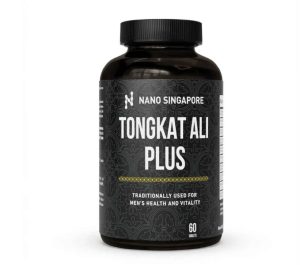
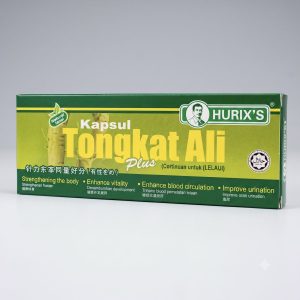
The appropriate, defensible characterisation is that Tongkat Ali is a botanical with a substantial and growing human-trial record supporting traditional indications around vitality, stress, and male hormonal health, alongside an extensive safety literature. The acceptable legal view in the United States and in the United Kindgom that Tongkat Ali is largely viewed as traditional food, noting that it is used as a food supplement (mainly in capsule and in extract powder form), not a medicine or a medicinal herb, and should not be marketed to treat or cure disease — but its evidentiary footing far exceeds that of the typical herbal ingredient.
The weight of evidence is, in our firm view, decisive on the question this document addresses. We can safely conclude that Tongkat Ali (Eurycoma Longifolia) has:
The plant has been used safely by humans at moderate doses (below the LD50 limits and below the 20,000 mg per day) for as long as we have written records of the region’s medicine — and it is being used, right now, by millions of consumers without adverse side effects, or reported death due to overconsumption based on public medical records.
Disclaimer: The evidence of use in this article is not a matter of opinion. The opinion is only about what regulators should reasonably conclude from it when classifying Tongkat Ali use in their appropriate countries.
References
Bhat, R., & Karim, A. A. (2010). Tongkat Ali (Eurycoma longifolia Jack): A review on its ethnobotany and pharmacological importance. Fitoterapia, 81(7), 669–679. https://doi.org/10.1016/j.fitote.2010.04.006
Burkill, I. H. (1935). A dictionary of the economic products of the Malay Peninsula. Crown Agents for the Colonies.
Chinnappan, S. M., George, A., Pandey, P., Narke, G., & Choudhary, Y. K. (2021). Effect of Eurycoma longifolia standardised aqueous root extract–Physta on testosterone levels and quality of life in ageing male subjects: A randomised, double-blind, placebo-controlled multicentre study. Food & Nutrition Research, 65, 5647. https://doi.org/10.29219/fnr.v65.5647
Dietary Supplement Health and Education Act of 1994, Pub. L. No. 103-417, 108 Stat. 4325 (1994).
EFSA Panel on Nutrition, Novel Foods and Food Allergens (NDA), Turck, D., Bohn, T., Castenmiller, J., De Henauw, S., Hirsch-Ernst, K. I., … Knutsen, H. K. (2021). Safety of Eurycoma longifolia (Tongkat Ali) root extract as a novel food pursuant to Regulation (EU) 2015/2283. EFSA Journal, 19(12), e06937. https://doi.org/10.2903/j.efsa.2021.6937
George, A., & Henkel, R. (2014). Phytoandrogenic properties of Eurycoma longifolia as a natural alternative to testosterone replacement therapy. Andrologia, 46(7), 708–721. https://doi.org/10.1111/and.12214
Gimlette, J. D. (1929). Malay poisons and charm cures (3rd ed.). J. & A. Churchill.
Gimlette, J. D., & Thomson, H. W. (1939). A dictionary of Malayan medicine. Oxford University Press.
Ismail, S. B., Wan Mohammad, W. M. Z., George, A., Nik Hussain, N. H., Musthapa Kamal, Z. M., & Liske, E. (2012). Randomized clinical trial on the use of PHYSTA freeze-dried water extract of Eurycoma longifolia for the improvement of quality of life and sexual well-being in men. Evidence-Based Complementary and Alternative Medicine, 2012, 429268. https://doi.org/10.1155/2012/429268
Jack, W. (1822). Description of Malayan plants [Eurycoma longifolia]. Malayan Miscellanies, 2(7), 45. (Reprinted 1977, Descriptions of Malayan plants I–III, Bencoolen 1820–1822, Boerhaave Press.)
Kotirum, S., Ismail, S. B., & Chaiyakunapruk, N. (2015). Efficacy of Tongkat Ali (Eurycoma longifolia) on erectile function improvement: Systematic review and meta-analysis of randomized controlled trials. Complementary Therapies in Medicine, 23(5), 693–698. https://doi.org/10.1016/j.ctim.2015.07.009
Malaysian Herbal Monograph Committee. (2015). Radix Eurycoma (Tongkat Ali root) monograph. In Malaysian herbal monograph. Institute for Medical Research, Ministry of Health Malaysia. https://imr.nih.gov.my/index.php/en/other-publication/malaysian-herbal-monograph
Performance Management and Delivery Unit (PEMANDU). (2010). Economic Transformation Programme: A roadmap for Malaysia. Prime Minister’s Department, Government of Malaysia.
Plants of the World Online. (n.d.). Eurycoma longifolia Jack. Royal Botanic Gardens, Kew. Retrieved June 10, 2026, from https://powo.science.kew.org/taxon/urn:lsid:ipni.org:names:813715-1
Rehman, S. U., Choe, K., & Yoo, H. H. (2016). Review on a traditional herbal medicine, Eurycoma longifolia Jack (Tongkat Ali): Its traditional uses, chemistry, evidence-based pharmacology and toxicology. Molecules, 21(3), 331. https://doi.org/10.3390/molecules21030331
Talbott, S. M., Talbott, J. A., George, A., & Pugh, M. (2013). Effect of Tongkat Ali on stress hormones and psychological mood state in moderately stressed subjects. Journal of the International Society of Sports Nutrition, 10, 28. https://doi.org/10.1186/1550-2783-10-28
Tambi, M. I. B. M., Imran, M. K., & Henkel, R. R. (2012). Standardised water-soluble extract of Eurycoma longifolia, Tongkat Ali, as testosterone booster for managing men with late-onset hypogonadism? Andrologia, 44(Suppl. 1), 226–230. https://doi.org/10.1111/j.1439-0272.2011.01168.x
U.S. Food and Drug Administration. (2017). Public notification: Stiff Bull Herbal Coffee contains hidden drug ingredient. FDA Tainted Sexual Enhancement Products.

Alex Kua leads AKARALI’s Global Partnership Community to help athletes, sports communities, and thousand of others optimize their well-being through evidence-based research that enables them to make better informed decisions. His legal and business consulting background underpins the rigorous data-driven approach in his writing – from hours of interviews, real-world performance data, and firsthand experiences of real people – offering actionable insights that connects clinical research, emerging health trends, and real-world applications. He is also an experienced researcher in herbal nutrition, with years of deep technical knowledge on Tongkat Ali (Eurycoma longifolia), including quality standards, industry benchmarks, lab tests, clinical trials, and the use of natural herbs by collaborating with top scientists, herbal experts, and nutritionists. As part of the core team behind AKARALI’s knowledge portal, he empowers people worldwide to access the benefits of high-quality herbal nutrition in a way that is effective, sustainable, and safe. He is also an avid runner, with regular participation in local sports communities and running events.
Disclaimer:
The content published on this website is for educational purposes and should not be viewed, read, or seen as a prescription or constitute any form of medical advice. We recommend you consult your nearest GP or doctors before consuming Tongkat Ali or any products which contain Tongkat Ali. For further information, kindly refer to our Frequently Asked Questions (FAQ) for more information.