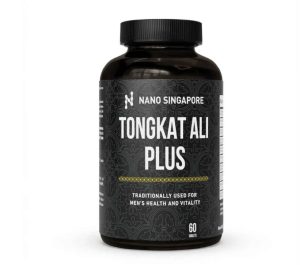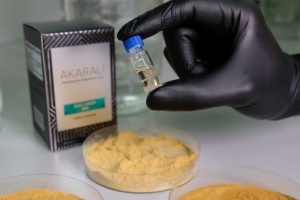

Tongkat Ali (Eurycoma longifolia) has gone from a niche Southeast Asian botanical to a mainstream American “men’s vitality” supplement, better known as LongJack. Here we present the most comprehensive Tongkat Ali buying guide if you live in New York, Texas, California, Washington, Arizona or San Francisco.
You see, almost every Americans wants to buy Tongkat Ali, it is everywhere on Amazon, often marketed as capsules for testosterone stacks, libido capsules, pre-workouts, stress formulas, “male optimization” kits, and other all-in-one polyherbal nootropics supplements.
The growth of natural herb in America is real, but no one knows which type Tongkat Ali longjack is best for them. Not all US-made Tongkat Ali supplements can boost testosterone or libido as claimed if it is not made from pure root.
Public market trackers project meaningful expansion in the Tongkat Ali category globally over the next several years, and trade directories plus Malaysian exporter listings show the United States is now one of the key end-markets for Tongkat Ali ingredients and finished products.
The American Botanical Council also notes that the primary clinically tested Tongkat Ali ingredient sold in the U.S. is a standardized water-soluble root extract marketed as Physta® and, or otherwise known as LJ100™ in the United States (and North America).
But this is also exactly why consumers need to slow down.
In the U.S., dietary supplements are not approved by FDA for safety or effectiveness before they are sold. Companies are responsible for making sure their products are lawful, properly labeled, and not adulterated or misbranded. FDA has also repeatedly warned that sexual-enhancement products are a particularly risky corner of the supplement market because some contain undeclared drug ingredients.
Tongkat Ali now sits at the intersection of legitimate botanical science and one of the most fraud-prone marketing categories in the natural wellness supplement market. So Americans should be more aware of choosing the best brands, rather than the popular ones.
That tension explains the existing Tongkat Ali market in one sentence: some products are real, some are weak, and some are simply storytelling marketed in a glossy-wrapped capsule.
Given the magnitude of the situation and lack of honesty, we feel obligated to educate American consumers when buying Tongkat Ali (or Longjack) in this article.
Topics that will be covered:
When shopping for Tongkat Ali on Amazon stores, at GNC, Walmart and other marketplaces, American consumers are advised to observe any strong or weak signals from key attributes listed below.
| What to check | Stronger signals | Weaker signals | Why it matters |
| Botanical identity | Eurycoma longifolia root, traceable source (either from Malaysia or Indonesia) | “Longjack blend” or vague herb name, without identified source (or country of origin) | Authenticity problems are well documented in the category. (PMC) |
| Extract type | Standardized water extract with marker specs | Raw powder or undefined “200:1” | Extraction method and standardization shape quality and relevance to human data. |
| Clinical evidence | Human studies on the same ingredient/extract used by the Tongkat Ali brands | Generic or borrowed claims about Tongkat Ali benefits from other studies | Ingredient-level clinical evidence is stronger than category-level storytelling. (PubMed) |
| Lab testing | Independent third-party testing or recognized verification | In-house testing only, no COA details | Confirms label accuracy and screens for contaminants. (National Safety Foundation) |
| Safety controls | Heavy metals, microbes, pesticide/aflatoxin attention | No contaminant discussion | Botanical quality is more than potency. |
| Claims style | “Supports” language, measured outcomes | “Works like testosterone therapy” or instant libido claims | Overstatement is often a fraud signal. (Federal Trade Commission) |
| Formula design | Simple, transparent formula | Large proprietary blend | Easier to assess dose, tolerability, and evidence relevance |
| Country/origin story | Documented source plus testing | Country flag used as proof of quality | Origin helps, but documentation matters more. (PMC) |
In addition to the buying checklist, the type of Tongkat Ali you should buy depends largely on the quality ingredients that suits your budget and risk profile. Although generally the Tongkat Ali market in United State is relatively mature, as a consumer, you still need to know which market segment you belong to when buying Tongkat Ali.
According to the Tongkat Ali market research report published by Berkshire Media in partnership with Debate Digital LLC in California, there are three main market segments of Tongkat Ali products sold in the United States (often exported under the HS Code: 21069099 and HS Code: 3004906500).
Scroll/swipe left to read more
| Tier Label | Market Positioning | Best Example Brand (Observed) | Extract Type | Clinical Evidence on Specific Extract | Phytochemical Standardization | Third-Party Testing Transparency | Typical Price Range (Per Capsule) | Buyer Profile | Risk Level |
|---|---|---|---|---|---|---|---|---|---|
| Tier 1 – Premium (Clinically Anchored Proprietary Extracts) | Evidence-aligned, research-backed, higher documentation | AKARALI (Physta®-based) | Standardized hot-water proprietary extract | Yes – Human clinical studies on the ingredient system | Yes – Defined marker specs (e.g., eurycomanone, glycosaponins) | High – Explicit third-party lab disclosure | Moderate to High ($0.80–$1.20) | Evidence-driven buyers prioritizing safety, traceability, and documentation | Lowest relative risk |
| Tier 2 – Mid-Tier / Analytical Standardized (Non-Proprietary but Marker-Defined) | Transparency-focused but not clinically trademarked | Nootropics Depot (e.g., 2% or 10% eurycomanone) | Marker-standardized extract | No direct proprietary clinical linkage | Yes – Explicit % marker standardization | Moderate – Assay transparency, variable third-party disclosure | Moderate ($0.50–$0.70) | Informed buyers seeking analytical clarity without premium pricing | Moderate |
| Tier 3 – Budget / Ratio-Based Generic Extracts | High-volume, price-driven Amazon sellers | Double Wood (Generic 200:1 SKU) | Ratio-based extract (e.g., 100:1, 200:1) | No | No defined marker standardization | Basic or unclear | Low ($0.12–$0.40) | Price-sensitive buyers prioritizing cost over documentation depth | Higher relative uncertainty |
Most affluent Americans, recreational and serious athletes prefer buying standardized clinically tested Tongkat Ali supplements sourced from Malaysia in 2025 to 2026 according to a recent independent survey.
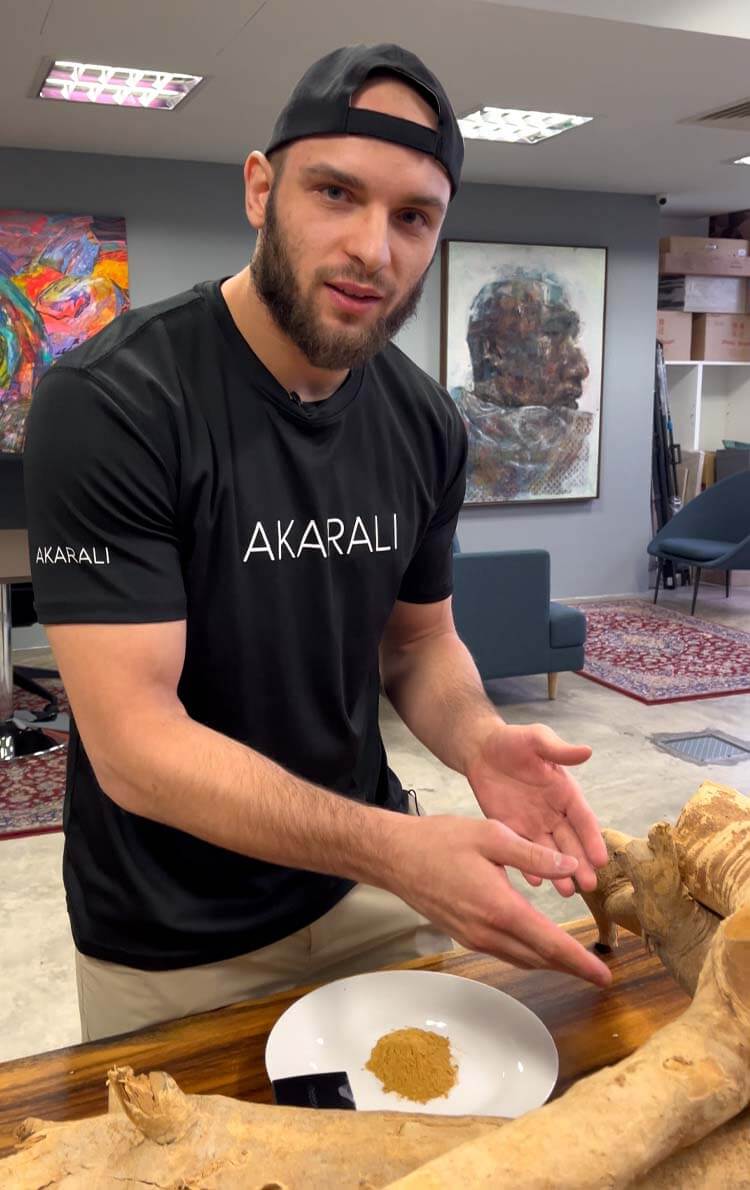
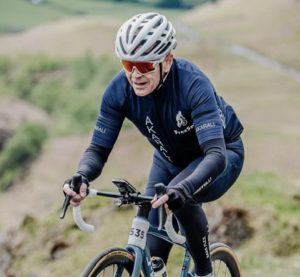
Pictured above is 28 year old William Hill during his assessment and review of Tongkat Ali that works for American athletes.
American MMA coach & fighter William Hill discovered that standardized Tongkat Ali root extract works better for energy boost during intense workouts and fights.
“If you are buying Tongkat Ali supplements that works, always choose standardized Tongkat Ali hot water extract”, said Urologist Dr. Rena Malik from the University of Maryland in Baltimore.
Additionally, we found that 8 out of 10 Americans are now shifting to clinically tested Tongkat Ali supplements (instead of lab-tested only Tongkat Ali brands) that guarantee higher probability of testosterone and hormonal boost that benefit energy, libido and mood.
Buying Tier 1 (premium) standardized Tongkat Ali hot water extract bring greater confidence to many American consumers that it will work for its intended benefits (eg: testosterone support), and safer to use compared to the lower tiers.
“The shift in consumer preference means the US market demands higher premium and quality Tongkat Ali extract” said Shahid Shayaa, CEO & Founder of AKARALI, a leading Tongkat Ali brand in the United States with 1 capsule sold every 30 seconds on Amazon and other marketplaces.
Generally, the United States (US) Tongkat Ali standards focus on ensuring product safety, purity, and efficacy, generally adhering to Good Manufacturing Practices (GMP) under 21 CFR 111 for dietary supplements.
The National Institute of Health suggests high-quality, third-party lab-tested Tongkat Ali extracts often adhere to standards requiring specific bioactive compounds (e.g., 0.8–1.5% eurycomanone) and strict, low levels of heavy metals and contaminants.
But often these standards are insufficient to convince the American consumers when buying Tongkat Ali. So, the Tongkat Ali standards are now in place to elevate the quality of dietary supplement industry in the United States.
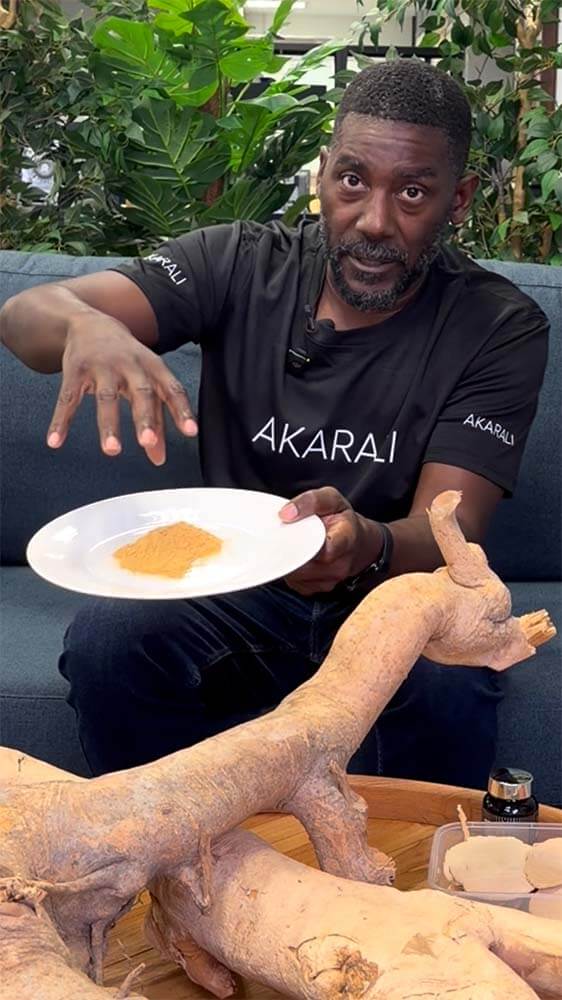
Pictured above is former US Marine officer Terry Pernell from Chicago with a mature Tongkat Ali root. He travelled 5,000km to Malaysia to learn about Tongkat Ali production for the US market.
“Tongkat Ali supplement market in the US is filled with fake and low quality extract. Here in Malaysia you can find the real deal, pure, natural Tongkat Ali” said Terry Pernell, who spent more than 3 years in various parts of Malaysia including Pahang, Terengganu, Sabah and Sarawak.
He added he was initially surprised to know that Malaysia has been exporting quality standardized Tongkat Ali to the United States for decades.
The MS2409 Tongkat Ali standards derived from hot water extract has raised a new quality benchmark to American consumers, a purity level that originated from decades of Tongkat Ali research activities between MIT and Malaysian scientists.
In a research publication published by PubMed Central, Dr. Shawn M. Talbott (U.S. nutritional biochemist/researcher) said that “daily supplementation with a properly standardized tongkat ali root extract improves stress hormone profile”, making reference to the standardized MIT-formulated Tongkat Ali root extract used in his study.
Americans shopping for Tongkat Ali often focus on the loudest number on the label: “600 mg,” “100:1,” “200:1,” even “1000:1.” This deceptive marketing strategy got many American consumers thinking the “higher the better”, but many experts would argue that this is the wrong starting point.
For Tongkat Ali, quality is not primarily about the biggest headline milligram claim or the highest extract ratio. Fundamentally, experts from American Botanical Council (ABC), herbalist like Chris Kilham, scientists such as Dr. Rena Malik, Dr. Shawn Talbott and professor Dr. Andrew Huberman are a big proponent of standardization of Tongkat Ali extract.
At the end, quality Tongkat Ali is about identity, extraction method, standardization, contaminant control, and whether the exact ingredient is tested on humans.
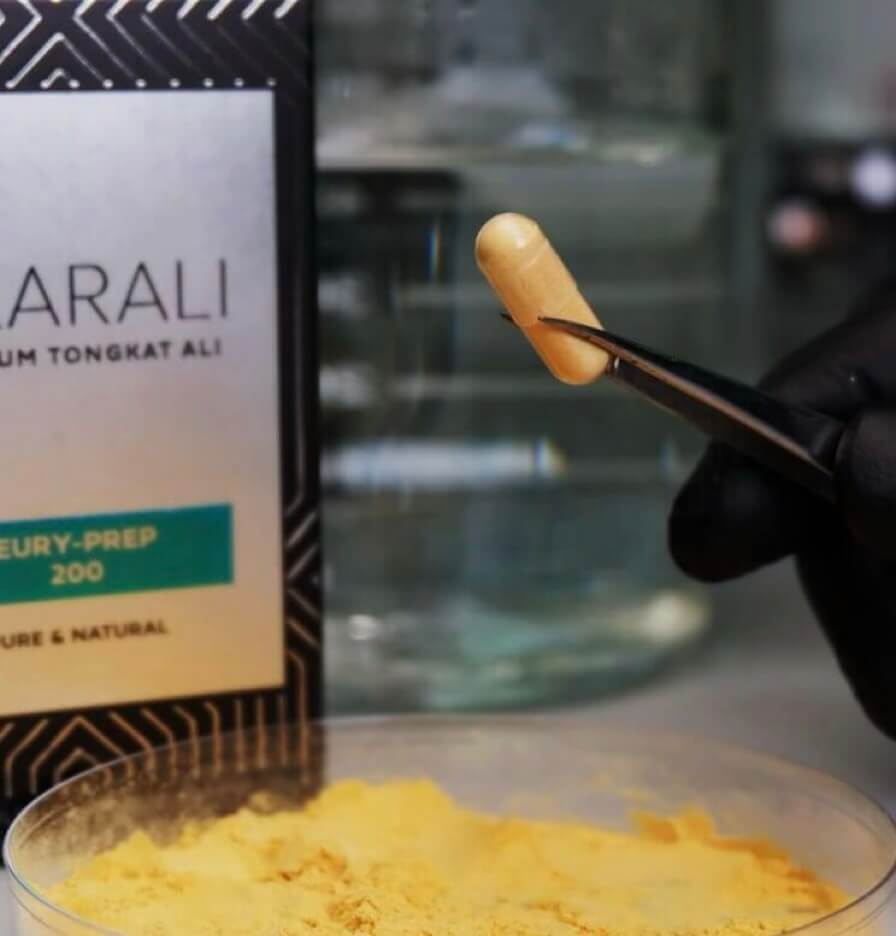
So when you evaluate Tongkat Ali, ask five fundamental questions:
A standardized Tongkat Ali product tells you what it is standardized to – often this leads to a biomarker profile that you can trust.
A standardized Tongkat Ali extract may include percentage of eurycomanone, glycosaponins, or a defined phytochemical fingerprint that is consistently available for each batch of production.
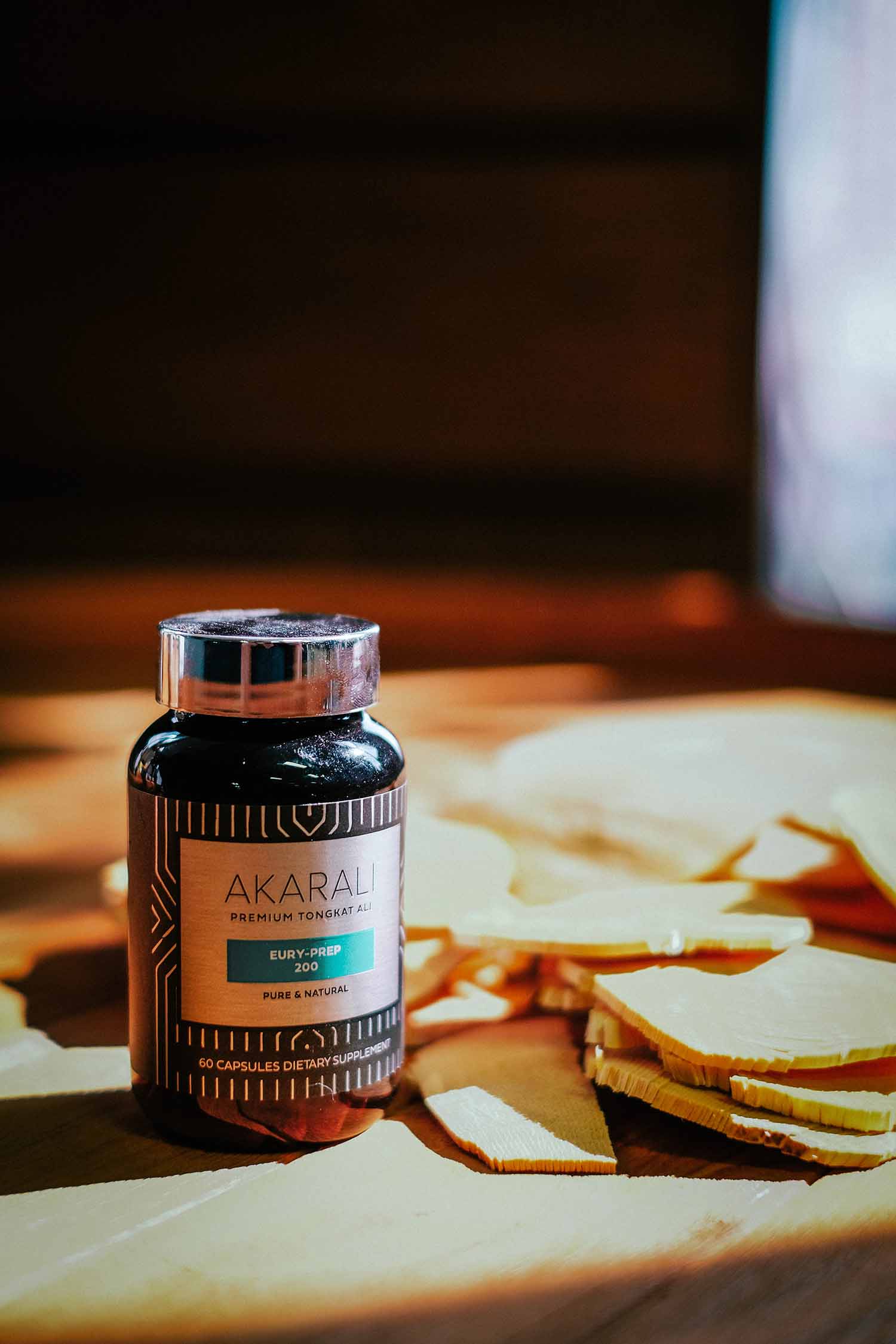
A non-standardized product usually says only “Tongkat Ali root,” “Longjack extract,” or “200:1,” without identifying any validated marker compounds or extract specifications.
Now, that is not enough to convince any consumers that it is produced with the highest specifications.
The European dossier for standardized Tongkat Ali root extract specifies, among other things, eurycomanone at 0.8% to 1.5%, glycosaponins at 40% to 65%, and clear heavy-metal and microbiological limits.
By contrast, adulteration research reports have shown that Tongkat Ali products can look legitimate on the surface yet fail to contain the expected chemical / bioactive profile.
Tier III Tongkat Ali may be cheap for most Americans, but brands such as Solaray utilizes non-standardized root extract with high amount of maltodextrin per capsule, diluting the benefits and potency of the extract.
Although standardization does not guarantee effectiveness, but lack of standardization greatly increases uncertainty and risks. Therefore, the risk of it not working is greater if you are buying a non-standardized or any generic US-made Tongkat Ali brands.
Our advice: if a label tells you only a ratio and not a standardization target or marker profile, treat it as a weaker candidate. “100:1” is not a credential. It is often just a marketing number unless the manufacturer explains what it means analytically.
Is lab-tested Tongkat Ali the best supplement in the US? Or should I purchase clinically tested and lab tested Tongkat Ali? These phrases are constantly blurred in American supplement marketing, so let’s separate them.
Clinically tested should mean the ingredient or finished product was studied in humans.
Lab tested often means the company or its manufacturer generated internal data.
Third-party lab tested is a stronger testament of quality
Here is the key consumer insight: clinical testing answers “might this work?”; third-party testing answers “does this bottle contain what it says?”
At the bare minimum, you want both. One without the other is incomplete.
Pro Buying Tip:
Choose “triple tested” Tongkat Ali brands that are clinically tested for potency/efficacy, lab tested for purity and 3rd party lab tested for adulterants and banned substances. This is to ensure that it works effectively for the intended benefits (eg: testosterone or libido support).
Dr Huberman suggests Indonesian Tongkat Ali, but industry experts suggest Malaysian Tongkat Ali is the best. So, which one should I buy in the US?
Botanically, Eurycoma longifolia is native to Southeast Asia, including Malaysia and Indonesia. Therefore, “Indonesian” does not automatically mean fake, and “Malaysian” does not automatically mean superior.
Country-of-origin alone is not enough, but in the current U.S. market, Malaysia is more strongly associated with documented standardization and ingredient-level clinical work backed by Malaysian Tongkat Ali Standards MS2409.
Malaysia has established itself as a quality Tongkat Ali exporter to the US, with long history of Tongkat Ali research partnership with MIT and other American institutions since the late 90s.
That said, experts believe Malaysia does have an advantage in the premium export conversation because the best-documented standardized Tongkat Ali ingredient in U.S. commerce is Malaysian yellow Tongkat Ali, and the country has formalized specification language around standardized water extracts for decades.
Additionally, the American Botanical Council’s Tongkat Ali education material points to Physta®/LJ100™ as the primary clinically tested dietary ingredient sold in the United States, with high praises by health practitioners, medical professionals and research scientists. It’s European dossier ties that ingredient to established specifications and manufacturing controls, adding higher quality standards compared to Tongkat Ali sourced from Indonesia or Vietnam.
The first is fraud by category adjacency.
The second is finished-product complexity.
The third is safety oversimplification.
The fourth is borrowed science.
The best Tongkat Ali supplement is usually not the loudest one on Reddit or on other social media platforms, nor the highest ranking ones with 5-star reviews on Amazon.
The best Tongkat Ali supplement is the one with the most boringly complete paperwork or those which comply to lab tests, clinical tests and regulatory compliance tests.
If you were buying Tongkat Ali in the U.S. today, prioritize a standardized root water extract, clear biomarker specifications, ingredient-level human clinical evidence, and independent third-party quality testing.
American consumers should be skeptical of mega-ratio Tongkat Ali extracts, miracle testosterone promises on social media, polyherbal all-in-one formulation, and products hiding inside the “male enhancement” or “testosterone booster” label gray zone.
Tongkat Ali may be one of the more interesting botanicals in the men’s-health aisle. But it is not magic, and it is not immune to the oldest supplement-market trick in the book: selling uncertainty as certainty.
For Americans, the smartest buying mindset is simple: buy evidence, not excitement.

Alex Kua leads AKARALI’s Global Partnership Community to help athletes, sports communities, and thousand of others optimize their well-being through evidence-based research that enables them to make better informed decisions. His legal and business consulting background underpins the rigorous data-driven approach in his writing – from hours of interviews, real-world performance data, and firsthand experiences of real people – offering actionable insights that connects clinical research, emerging health trends, and real-world applications. He is also an experienced researcher in herbal nutrition, with years of deep technical knowledge on Tongkat Ali (Eurycoma longifolia), including quality standards, industry benchmarks, lab tests, clinical trials, and the use of natural herbs by collaborating with top scientists, herbal experts, and nutritionists. As part of the core team behind AKARALI’s knowledge portal, he empowers people worldwide to access the benefits of high-quality herbal nutrition in a way that is effective, sustainable, and safe. He is also an avid runner, with regular participation in local sports communities and running events.
Disclaimer:
The content published on this website is for educational purposes and should not be viewed, read, or seen as a prescription or constitute any form of medical advice. We recommend you consult your nearest GP or doctors before consuming Tongkat Ali or any products which contain Tongkat Ali. For further information, kindly refer to our Frequently Asked Questions (FAQ) for more information.